Learn what side effects to expect from common diabetes medications like metformin, SGLT2 inhibitors, GLP-1 agonists, and insulin. Understand risks, how to manage them, and how to choose the right treatment for your body.

When you hear SGLT2 inhibitors, a class of oral medications used to lower blood sugar in type 2 diabetes by making the kidneys remove excess glucose through urine. Also known as gliflozins, they’re not just another diabetes pill—they’re one of the few drug types proven to reduce heart failure hospitalizations and slow kidney disease progression. Unlike older drugs that force your body to make more insulin or make cells more sensitive to it, SGLT2 inhibitors work differently: they tell your kidneys to flush out sugar you don’t need. That’s why they often lead to modest weight loss and lower blood pressure as side effects—not bugs, but features.
These drugs are especially helpful for people with type 2 diabetes who also have heart or kidney problems. If you’ve been told you have early kidney damage or you’re at risk for heart failure, your doctor might recommend an SGLT2 inhibitor even if your A1C isn’t sky-high. That’s because studies like the EMPA-REG OUTCOME trial showed that empagliflozin, one of the first in this class, cut cardiovascular deaths by nearly 40% in high-risk patients. Other drugs in this group—like dapagliflozin and canagliflozin—have shown similar results. They don’t cause low blood sugar on their own, which makes them safer for older adults or those with irregular eating habits. And because they work independently of insulin, they still help even when your pancreas is worn out.
But they’re not magic. You still need to watch your fluid intake, especially in hot weather or if you’re active, because these drugs make you pee more. Some users report yeast infections or urinary tract issues, which are usually easy to treat. They’re not for everyone—people with severe kidney disease or those on dialysis won’t benefit much, since the kidneys need to be working to pull out the sugar. Still, for millions with type 2 diabetes and added risks, SGLT2 inhibitors have changed the game. They’re now recommended in major guidelines not just for blood sugar control, but for long-term survival.
Below, you’ll find real-world insights from patients and providers who’ve used these drugs. Some posts dig into how they compare with other diabetes treatments like DPP-4 inhibitors or GLP-1 agonists. Others explore how they fit into kidney-friendly diets or interact with heart failure meds. You’ll see why some doctors now start with an SGLT2 inhibitor before even reaching for metformin, and why others hold off due to cost or access issues. Whether you’re newly diagnosed, managing complications, or just trying to understand your prescription, this collection gives you the clear, no-fluff facts you need to make smarter choices.

Learn what side effects to expect from common diabetes medications like metformin, SGLT2 inhibitors, GLP-1 agonists, and insulin. Understand risks, how to manage them, and how to choose the right treatment for your body.
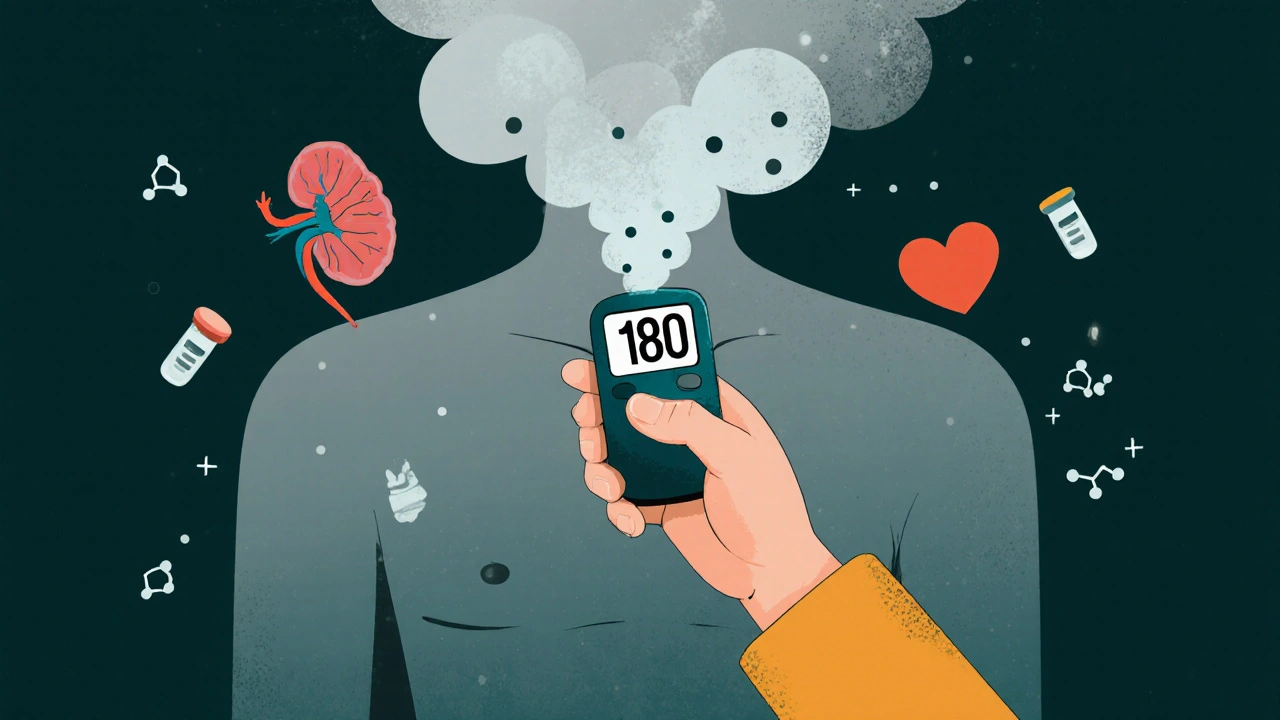
SGLT2 inhibitors help manage type 2 diabetes but carry a risk of euglycemic diabetic ketoacidosis (euDKA)-a dangerous condition that can occur even with normal blood sugar. Learn the symptoms, risk factors, and how to stay safe.
Health and Wellness, Pharmaceuticals