

Managing diabetes isn’t just about checking blood sugar-it’s about understanding what’s in your medicine cabinet and how your body reacts to it. Whether you’re just starting treatment or have been on meds for years, side effects can sneak up on you. Some are mild, like an upset stomach. Others, like low blood sugar or infections, can be serious. The good news? You’re not alone, and there are real ways to handle them.
Metformin: The First-Line Drug with Common but Manageable Side Effects
Most people with type 2 diabetes start with metformin. It’s cheap, effective, and doesn’t cause weight gain or low blood sugar like older drugs. But about 1 in 3 people get stomach trouble-nausea, diarrhea, bloating. It’s not dangerous, but it’s annoying enough that nearly half of new users quit within the first month.
The trick? Start low. Take 500 mg once a day with dinner, not on an empty stomach. After a week or two, bump it up slowly. Switching to the extended-release version cuts GI side effects by about half. If you’ve been on metformin for five years or more, ask your doctor to check your vitamin B12 levels. Long-term use can cause a deficiency, leading to fatigue, tingling in hands or feet, or even memory issues. A simple B12 shot every month fixes it in most cases.
Sulfonylureas: Effective but Risky for Low Blood Sugar
Drugs like glyburide and glipizide force your pancreas to pump out more insulin. They work fast and are cheap. But they’re also the most likely to cause hypoglycemia. About 1 in 6 users have at least one low-blood-sugar episode each year. Some people pass out. Others feel shaky, sweaty, confused-like they’re about to faint.
Why it happens: Skipping meals, drinking alcohol, or over-exercising makes it worse. The 15-15 rule helps: eat 15 grams of fast-acting sugar (glucose tablets, juice, candy), wait 15 minutes, check your blood sugar again. Repeat if needed. If you’re on these meds, always carry glucose. And talk to your doctor if you’re having lows often. There are safer options now.
SGLT2 Inhibitors: Weight Loss and Infections
Drugs like empagliflozin (Jardiance), canagliflozin (Invokana), and dapagliflozin (Farxiga) make your kidneys flush out extra sugar through urine. That lowers blood sugar and helps you lose weight-on average, 4 to 8 pounds in the first few months. Many people love that. But there’s a trade-off.
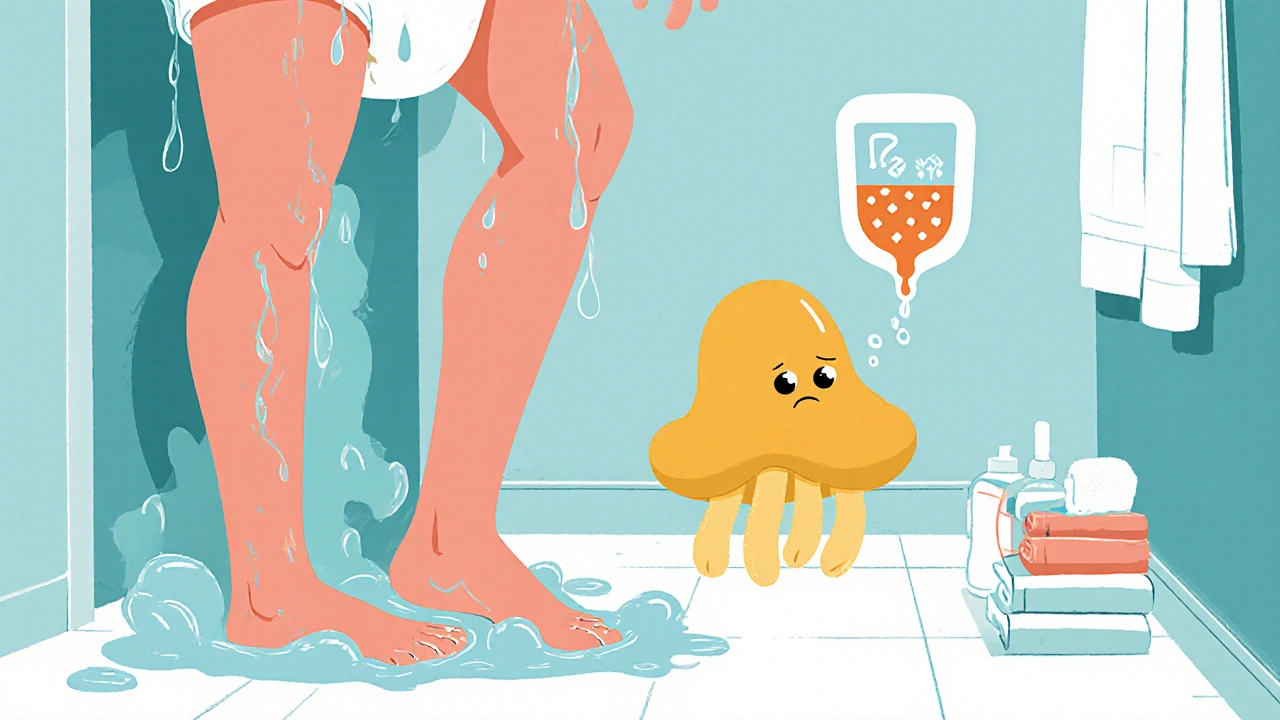
Up to 15% of women and 5% of men get genital yeast infections. It’s not an STI-it’s just sugar in the urine feeding fungus. Keep the area clean and dry. Wear cotton underwear. Avoid douches. If you get one infection, you’re more likely to get another. Urinary tract infections are also more common. And in rare cases (about 1 in 300), you can develop diabetic ketoacidosis-even if your blood sugar isn’t high. Watch for nausea, vomiting, belly pain, or unusual fatigue. Go to the ER if you feel this way.
GLP-1 Receptor Agonists: Powerful but Hard on the Stomach
These injectables-like liraglutide (Victoza), semaglutide (Ozempic, Wegovy), and the newer tirzepatide (Mounjaro)-are game-changers. They help your body make insulin when it’s needed, slow digestion, reduce appetite, and lower heart risks. Many users lose 10% or more of their body weight. But up to half of people get nausea. About 1 in 5 throw up. Diarrhea is common too.
It’s not fun. But it usually gets better after a few weeks. Start with the lowest dose. Don’t rush the increase. Eat smaller meals. Avoid greasy or spicy foods. If nausea lasts more than a month, talk to your doctor. There are oral versions coming soon, and tirzepatide causes less nausea than semaglutide. If you’re overweight and have heart disease or kidney disease, these are often the best choice-despite the side effects.
Insulin: The Most Effective, But With Real Risks
Insulin is the only option for type 1 diabetes. Many with type 2 need it eventually. It’s powerful. But it’s also the most likely to cause hypoglycemia. People on intensive insulin therapy can have 15 to 30 low-blood-sugar events a year. Fear of lows is why some people skip doses-even when their sugar is high.
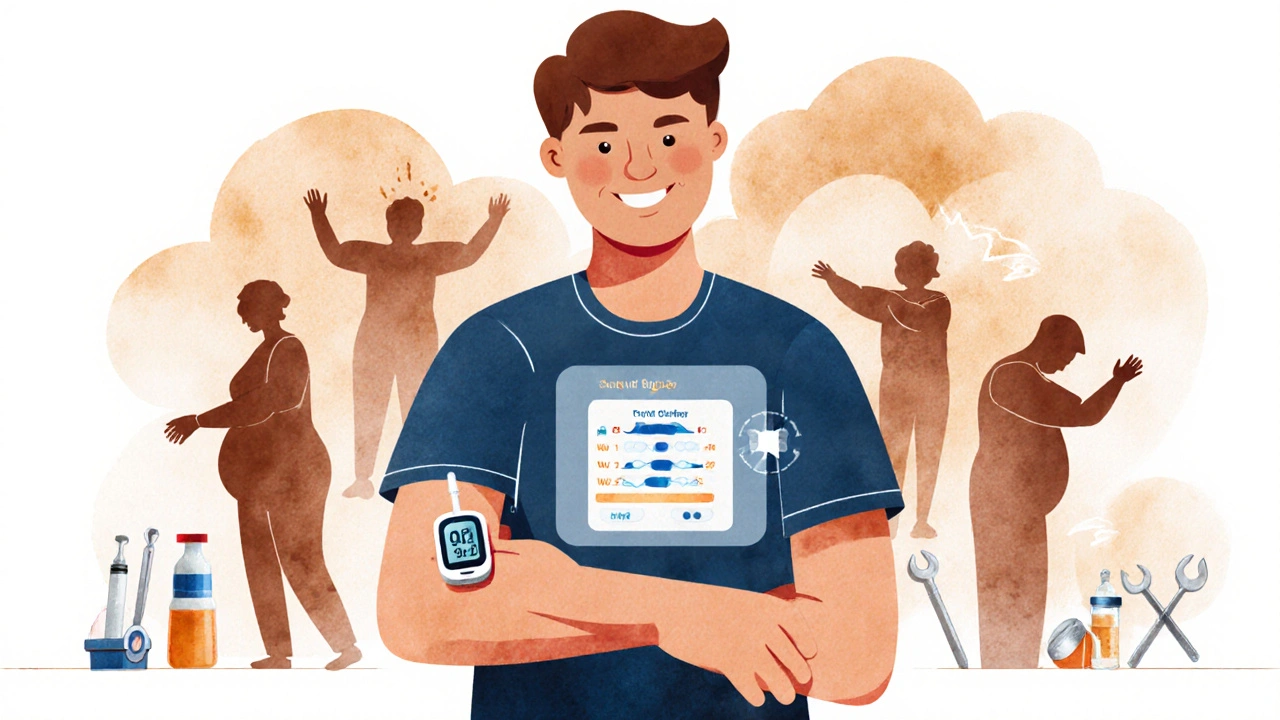
Weight gain is another issue. Most gain 2 to 5 kg, which makes blood sugar harder to control. The key? Match your insulin to your food. Don’t inject before a meal you’re not going to eat. Use a continuous glucose monitor (CGM). Studies show CGMs cut severe lows by 40%. Talk to your care team about basal-bolus dosing or insulin pumps. They give more control and fewer surprises.
Thiazolidinediones: Rarely Used, But Still in Play
Pioglitazone (Actos) helps your body use insulin better. But it’s not popular anymore. Why? It causes fluid retention-your legs swell. It can worsen heart failure. It also leads to weight gain and increases bone fracture risk in women. The FDA warned about bladder cancer risk years ago, and while the link isn’t proven, many doctors avoid it. It’s still used in rare cases where other drugs don’t work, but only after careful review.
How to Decide What’s Right for You
There’s no one-size-fits-all. Your doctor should consider:
- Do you have heart disease, kidney disease, or obesity?
- Are you worried about weight gain or low blood sugar?
- Can you afford the drug? Metformin costs $4 a month. GLP-1 drugs can cost $900 without insurance.
- Can you handle injections or daily pills?
- Do you have other conditions like liver or kidney problems?
For most people, metformin comes first. If you need more, newer drugs like SGLT2 inhibitors or GLP-1 agonists are now recommended before sulfonylureas or insulin-especially if you have heart or kidney disease. The goal isn’t just to lower A1c. It’s to live longer, feel better, and avoid dialysis, amputations, or heart attacks.
Real Stories, Real Challenges
One woman in Manchester told me she stopped metformin because she couldn’t handle the diarrhea. She switched to a GLP-1 agonist and lost 12 pounds-but threw up for the first three weeks. She stuck with it. Now her A1c is 5.8%. Another man on insulin had two scary lows at work. He got a CGM. He stopped having them. A third person on SGLT2 inhibitors got a yeast infection every month. She started wearing only cotton underwear and changed out of wet clothes right after workouts. No more infections.
These aren’t rare. They’re normal. The key is talking about them-before you quit your meds.
What to Do If Side Effects Hit
- Don’t stop cold turkey. Talk to your doctor first.
- Keep a side effect journal: What happened? When? How bad? Did anything help?
- Ask about alternatives. There’s always another option.
- If you’re worried about cost, ask about patient assistance programs. Many drug makers offer free or low-cost meds if you qualify.
- Use a CGM if you’re on insulin or sulfonylureas. It’s the best way to avoid lows.
Side effects aren’t a sign you’re failing. They’re a sign your treatment needs adjusting. The right drug for you isn’t the one with the fewest side effects-it’s the one that keeps you alive, healthy, and able to live your life.
Can diabetes medications cause weight gain?
Yes, some can. Insulin and sulfonylureas often lead to weight gain-usually 2 to 5 kg. Thiazolidinediones like pioglitazone also cause weight gain. But newer drugs like SGLT2 inhibitors and GLP-1 agonists often cause weight loss. Metformin is weight-neutral. If weight is a concern, talk to your doctor about choosing a medication that helps you lose or maintain weight.
What’s the safest diabetes medication?
Metformin is considered the safest first-line drug for type 2 diabetes. It doesn’t cause low blood sugar or weight gain, and it has a long safety record. It’s also the cheapest. But safety depends on your health. If you have kidney disease, metformin isn’t safe. If you have heart failure, SGLT2 inhibitors might be safer. There’s no single safest drug-only the safest one for you.
Do diabetes medications cause kidney damage?
Most don’t. In fact, some protect your kidneys. SGLT2 inhibitors like Jardiance and Farxiga have been shown to slow kidney disease progression, even in people without diabetes. Metformin is safe as long as your kidney function is above 30 mL/min. But some drugs, like sulfonylureas, need dose adjustments in kidney disease. Always get your kidney function checked before starting any new diabetes med.
Can I stop taking my diabetes meds if I lose weight?
Some people can-especially if they lose a lot of weight through diet, exercise, or GLP-1 agonists. Studies show up to 40% of people with type 2 diabetes who lose 10% or more of their body weight can go into remission and stop meds. But you still need regular blood sugar checks. Stopping meds without medical supervision can be dangerous. Never stop on your own. Talk to your doctor about a safe plan.
Why do some diabetes drugs cause yeast infections?
SGLT2 inhibitors make your body pee out extra sugar. That sugar ends up in your urine and around your genitals, creating a perfect environment for yeast to grow. It’s not contagious-it’s a side effect of the drug. Keeping the area clean and dry, wearing cotton underwear, and avoiding tight clothes helps. If you get infections often, your doctor might switch you to a different drug.
Are there any diabetes medications that are safe during pregnancy?
Insulin is the standard during pregnancy because it doesn’t cross the placenta. Metformin is sometimes used off-label and is considered relatively safe (FDA Category B). Most other oral diabetes drugs, including sulfonylureas and SGLT2 inhibitors, are not recommended during pregnancy due to potential risks to the baby. Always talk to your OB and endocrinologist if you’re pregnant or planning to be.
Next Steps: What to Do Today
- If you’re on metformin and have stomach issues, ask about switching to the extended-release version.
- If you’ve had a low blood sugar episode, get a CGM or talk to your doctor about adjusting your dose.
- If you’re on an SGLT2 inhibitor and keep getting yeast infections, try changing your underwear and hygiene habits.
- If cost is a problem, ask your pharmacy about generic options or patient assistance programs.
- Keep a log of side effects. Bring it to your next appointment.
Diabetes meds aren’t magic pills. They’re tools. And like any tool, they work best when you understand how they work-and how they affect you.

Comments
Metformin gave me diarrhea so bad I quit. No thanks. I'll just eat less sugar and call it a day.
Why do they even make these drugs if they just make you miserable?
Wow, this is actually super helpful! I’ve been on metformin for 3 years, and I had no idea about the B12 thing. Just got my levels checked-low as hell. Thanks for the tip!
Also, SGLT2 inhibitors? I didn’t know yeast infections were a side effect. Now I get why my wife keeps complaining…
Also, also-glucose tablets are life. Always keep them in my wallet. No more fainting at the grocery store.
Also, also, also-why is everyone so scared of insulin? It’s just a tool. Like a hammer. You don’t hate hammers, right?
They’re hiding the truth. Big Pharma doesn’t want you to know that all these drugs are just sugar-coated poison.
They’re replacing real food with chemicals because they control the FDA. You think metformin is safe? Ask the people in the FDA whistleblower leaks.
And don’t even get me started on GLP-1s-they’re just appetite suppressants for the rich. Why can’t we just eat less?
Also, cotton underwear? LOL. That’s not the real issue. It’s the glyphosate in your toilet paper.
Check your water. Check your bread. Check your soul.
And yes, I’ve been off all meds since 2021. My A1c is 5.2. No insulin. No pills. Just raw kale and vibes.
Peace out, chemtrail believers.
You people are so naive. Metformin doesn’t cause B12 deficiency-your gut bacteria are already dead from eating gluten-free bread and kombucha.
And SGLT2 inhibitors? Of course you get yeast infections-you’re probably wiping with toilet paper made in China.
And GLP-1s? They’re just fancy weight-loss drugs for people who can’t control their cravings. You think losing 10% of your body weight is magic? It’s called discipline.
Insulin? Please. You’re just lazy. I’ve been on it for 18 years. No CGM. No excuses. Just math.
And if you’re worried about cost, get a job that pays more. Stop blaming Big Pharma for your bad life choices.
Also, your doctor isn’t your therapist. Stop crying about side effects. Just take the pill.
And no, cotton underwear won’t fix your yeast infection. Wash your damn hands before touching yourself.
And stop reading Reddit. Go read a medical journal. For once.
Ah yes, the classic ‘I started metformin and now I’m running to the bathroom like my pants are on fire’ phase.
Classic. I’ve seen it a hundred times. The trick? Start at 250mg. Not 500. And eat a banana with it. Yes, really.
And for the love of god, if you’re getting yeast infections from SGLT2s, stop wearing those tight yoga pants after the gym. Your vagina isn’t a petri dish.
Also, if you’re on insulin and afraid of lows-you’re not alone. But you’re also not special. Get a CGM. It’s not expensive anymore. Walmart sells them for $25.
And yes, I’ve been a diabetes nurse for 12 years. No, I’m not being sarcastic. I’m just tired of seeing people quit meds because they’re ‘too much hassle.’
You’re not too much hassle. Your pancreas is.
Hey everyone, I’ve been on metformin for 7 years and I’m still here-alive, healthy, and not in the ER.
Side effects suck, but they’re not the end of the world. I got nausea on GLP-1s too-first 3 weeks were rough. I ate plain rice, drank ginger tea, and waited.
Now I’m down 15 lbs and my A1c is 5.6. Worth it.
And yes, yeast infections? I got them too. Switched to cotton, dried off after showers, and boom-gone.
Don’t give up. You’re doing better than you think.
And if you’re scared of injections? You’re not weak. But you’re also not powerless.
We’re all in this together. One pill, one step, one day at a time. 💪❤️
I just started metformin ER and honestly? Way better than the regular stuff. No diarrhea, just mild bloating.
Also, the B12 thing blew my mind. I’m getting tested next week.
Thanks for writing this. It’s the first time I felt like someone actually gets it.
This is one of the most balanced, well-researched, and compassionate explanations of diabetes medications I’ve ever read.
Every point is backed by evidence, every concern addressed with empathy, and every warning given with clarity-not fear.
Thank you for writing this. People need to hear this before they quit their meds out of frustration.
Side effects are not failures. They’re data points.
And you? You’re not broken. You’re just adjusting.
Keep going.
metformin is just a bandaid for a system that’s been broken by capitalism and processed food
we dont need more drugs we need to stop eating corn syrup and sit less
and why is everyone so obsessed with pills? maybe your body is screaming for change
but no, lets just give you another pill to make you feel better about not changing your life
insulin is the only real solution but they dont want you to know that
its not about the drug its about the life
and if you dont fix the life the drug will fail anyway
ask yourself: am i treating the symptom or the cause?
also i think the government is hiding the truth about yeast infections and 5g towers
I’ve read every study on this. Every. Single. One.
Metformin is a mild toxin that masks insulin resistance. It doesn’t fix anything. It just hides the symptoms until your liver fails.
GLP-1 agonists? They’re not ‘game-changers.’ They’re expensive placebo pills with a side of nausea and a hidden risk of thyroid cancer.
And don’t get me started on SGLT2 inhibitors-kidney damage is inevitable with long-term use. The FDA just hasn’t updated the label yet.
And yes, I know what you’re thinking: ‘But my doctor said…’
Your doctor is paid by pharmaceutical reps.
They’re not your friend.
They’re a salesperson with a stethoscope.
And if you think cotton underwear fixes yeast infections-you’re missing the point.
The point is: you’re being manipulated into lifelong dependency.
And I’ve seen the documents.
They’re coming for you next.
Okay, but the part about the yeast infections? I laughed so hard I cried.
‘Wear cotton underwear’-like that’s the whole solution?
Meanwhile, I’m in my 30s, diabetic, and still have to explain to my partner why I’m suddenly avoiding intimacy because my ‘vagina is having a rave.’
But seriously-this article saved me. I was about to quit my SGLT2. Now I’m just changing my laundry routine.
Also, I’ve been on Ozempic for 6 months. Nausea was brutal. Now? I eat like a bird and feel like a goddess.
Don’t quit. Just adapt.
And if you’re scared? You’re not alone. We’re all just winging it with a glucose monitor and a prayer.
I used to be the person who quit metformin after one week because I couldn’t handle the diarrhea.
Now I’m the person who carries glucose tabs, wears cotton underwear like it’s a fashion statement, and asks my doctor for B12 shots like I’m ordering coffee.
It’s not about being perfect.
It’s about being stubborn.
And if you think you’re failing because you’re having side effects?
You’re not failing.
You’re just learning how to play this game better than last time.
And if you’re reading this?
You’re already winning.
I’m from India, and I’ve seen people here stop meds because they think ‘natural remedies’ will fix everything.
Turmeric tea won’t save you if your A1c is 10.
But I’ve also seen people on insulin for 20 years who never had a single low-because they tracked everything.
It’s not about the drug.
It’s about the discipline.
And yes, I’ve had yeast infections from Jardiance.
But I also learned to dry off after swimming.
Small changes. Big results.
Don’t give up. Just adjust.
And if you’re scared? So am I.
We’re all just trying to live.
And that’s enough.
the truth is… we’re all just trying to survive a system that treats our bodies like machines
but our bodies aren’t machines
they’re messy, emotional, hormonal, tired, confused creatures
and when you give them a drug that makes them pee sugar…
they don’t know what’s happening
they just know they’re wet
and itchy
and tired
and scared
and you’re not failing because you have side effects
you’re failing because you’re told you should be perfect
but perfection is a myth
and diabetes? it’s not a moral test
it’s a biological negotiation
so take the pill
wear the cotton
drink the ginger tea
and forgive yourself for being human
you’re not broken
you’re adapting
and that’s beautiful
I cried reading this. Not because I’m sad. Because I finally feel seen.
That yeast infection story? That was me. Every. Month.
I thought I was the only one.
Now I know I’m not.
And I’m not quitting my meds.
I’m upgrading my underwear.
And I’m proud of myself.
Thank you.
From the bottom of my heart.
You just saved someone’s life today.
Just saw @5224’s comment. That’s exactly it. We’re not failing. We’re adapting.
And you know what? That’s the bravest thing you can do.
Keep going. We’ve got your back.
And if you need to cry? Cry.
If you need to laugh? Laugh.
If you need to change your underwear? Do it.
You’re not alone.
Not anymore.