FTC Pharmaceutical Competition: How Market Rules Shape Your Drug Costs and Choices
When you buy a medication, you’re not just paying for the pill—you’re paying for the FTC pharmaceutical competition, the Federal Trade Commission’s efforts to prevent drug companies from blocking cheaper alternatives. Also known as antitrust enforcement in pharma, this system tries to stop companies from using legal tricks to delay generic drugs from hitting the market. Without it, a single company could hold a monopoly on a life-saving drug for years, keeping prices sky-high while patients struggle to afford treatment.
Behind the scenes, the FTC, a U.S. government agency that enforces fair business practices tracks shady deals like "pay-for-delay" agreements, where brand-name makers pay generic companies to wait before selling cheaper versions. These deals cost Americans over $3.5 billion a year in extra drug costs, according to FTC reports. The agency also watches for patent thickets—when companies file dozens of weak patents just to block competitors. When the FTC steps in, it doesn’t just file lawsuits; it pushes for real change, like forcing companies to stop blocking generic versions of insulin or blood pressure meds.
These battles directly affect what you find on pharmacy shelves. If the FTC wins, you get generic drugs, lower-cost versions of brand-name medications that work the same way faster. That’s why posts on this page cover combo generics vs individual components, why specialists still choose brand-name drugs, and how biosimilars are changing the game. The FTC doesn’t control prices directly, but it removes the roadblocks that keep them high. When generic substitution becomes easier, pharmacists can help you save without losing effectiveness—something covered in Medication Therapy Management posts.
You won’t see FTC agents in your doctor’s office, but their work shapes every prescription you get. If a drug you need is still expensive when a generic should be available, the FTC might be the reason why. This collection dives into the real-world impact of these rules: from how drug pricing tricks affect your wallet, to why some medications stay brand-only even when they shouldn’t, to how you can spot when the system is working—or failing you.
December 1, 2025
Patent Litigation: How Authorized Generics Undermine Generic Drug Competition
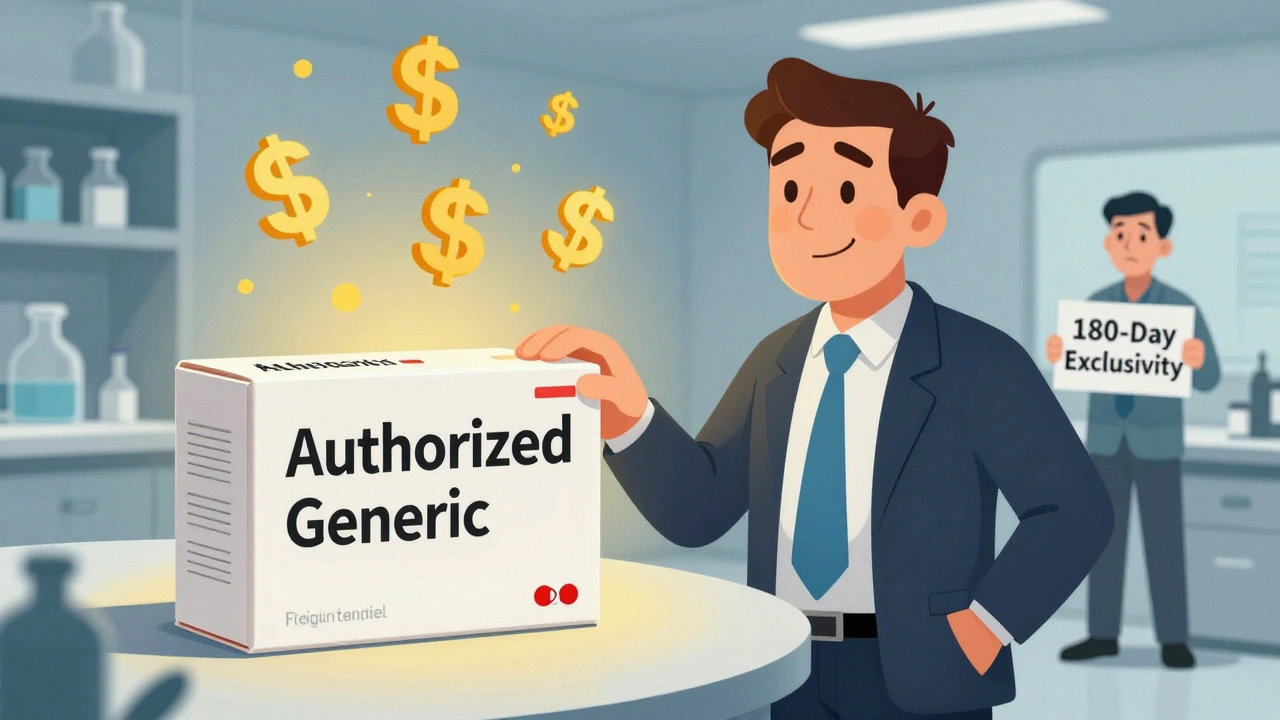
Authorized generics, launched by brand-name drugmakers during the 180-day exclusivity window for first-filing generics, undermine competition by capturing market share and depressing revenues. This practice, allowed under Hatch-Waxman, reduces generic innovation and delays true price competition.