IgA Nephropathy is a leading cause of kidney failure. The 2025 KDIGO guidelines have transformed treatment-early combination therapy, new drugs like Nefecon, and tighter proteinuria targets offer real hope. But access and cost remain major barriers.

When your urine contains more protein than it should, that’s called proteinuria, an abnormal amount of protein in the urine, often an early warning sign of kidney damage. Also known as protein in urine, it’s not a disease itself—but it’s one of the clearest signals your kidneys aren’t filtering blood the way they should. Healthy kidneys keep protein in your bloodstream, where it belongs. When they’re damaged, even slightly, protein leaks out into your urine. This is often the first clue doctors find when someone’s kidney function is starting to decline.
Proteinuria doesn’t come with obvious symptoms at first. You won’t feel it. You won’t see it. But it’s closely tied to conditions you might already be managing—like high blood pressure, a leading cause of kidney damage that strains the tiny filters in your kidneys, or diabetes, the most common cause of kidney disease, where high blood sugar slowly destroys kidney tissue. It also shows up in people with chronic kidney disease, a gradual loss of kidney function over time, often detected through urine and blood tests. The amount of protein in your urine, combined with your eGFR, a number calculated from your blood creatinine level that estimates how well your kidneys are filtering waste, tells doctors how advanced the damage is and how urgently you need to act.
Many of the posts here focus on how medications and health conditions affect kidney function. For example, managing diabetes with SGLT2 inhibitors can help slow kidney decline—but those same drugs carry a risk of diabetic ketoacidosis, which can worsen proteinuria if not monitored. Renal diets that limit sodium, potassium, and phosphorus are often recommended alongside treatment. Even something as simple as how you store your inhalers or dispose of unused opioids can indirectly impact your kidneys if you’re on multiple medications. Seniors, especially, need careful dosing because kidney function naturally drops with age, and proteinuria can be an early red flag that their meds need adjusting.
You won’t find proteinuria listed as a standalone condition in most drug guides. But it’s the quiet thread running through dozens of them—connecting diabetes meds, kidney diets, senior dosing, and even drug interactions. If you’ve been told you have protein in your urine, you’re not just dealing with a lab result. You’re standing at the start of a larger conversation about your kidney health, your medications, and your long-term well-being. Below, you’ll find real, practical advice on how to interpret test results, manage underlying causes, and avoid further damage—without the jargon or fluff.
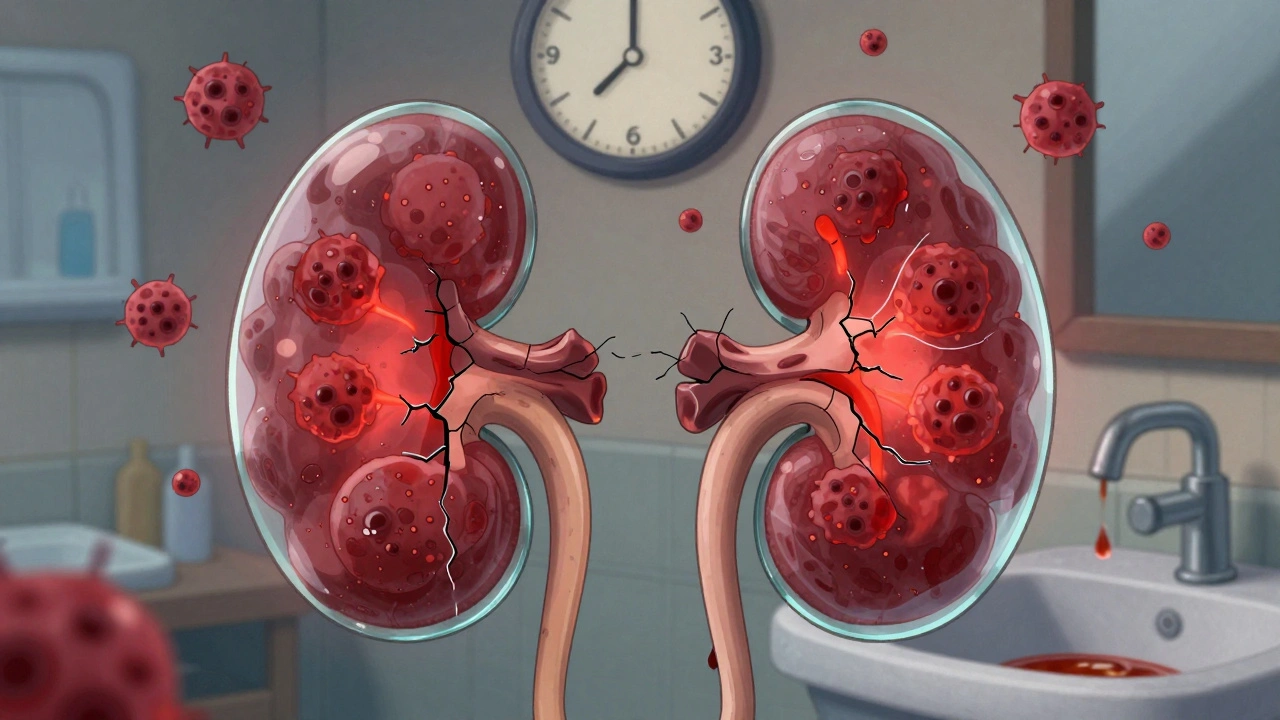
IgA Nephropathy is a leading cause of kidney failure. The 2025 KDIGO guidelines have transformed treatment-early combination therapy, new drugs like Nefecon, and tighter proteinuria targets offer real hope. But access and cost remain major barriers.
Health and Wellness