MELD Score: What It Is and How It Guides Liver Disease Treatment
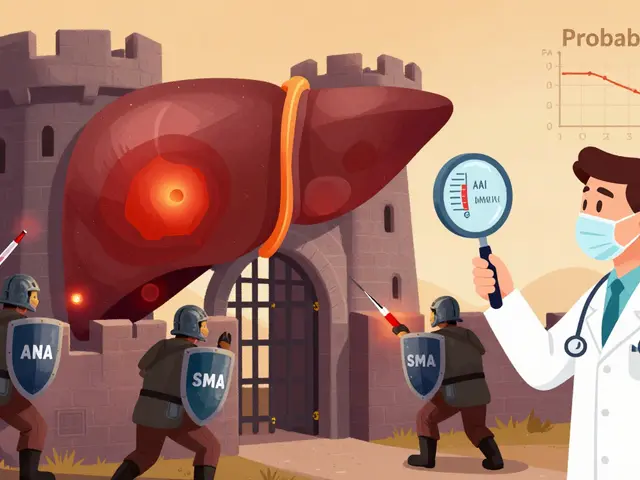
When your liver isn’t working right, doctors need a clear way to judge how sick you are. That’s where the MELD score, a numerical rating used to predict survival in people with advanced liver disease. Also known as the Model for End-Stage Liver Disease, it helps hospitals decide who gets a liver transplant first. Unlike older methods, the MELD score doesn’t guess — it uses real lab numbers: bilirubin, creatinine, and INR. These values show how well your liver and kidneys are handling toxins, waste, and blood clotting. The higher your score, the sicker you are — and the more urgent your need for a new liver.
The MELD score doesn’t exist in a vacuum. It’s closely tied to the Child-Pugh score, an older system that adds symptoms like ascites and encephalopathy to liver function tests. While Child-Pugh still gets used in clinics, MELD became the standard for transplant waiting lists because it’s more objective. It doesn’t rely on a doctor’s judgment of swelling or confusion — just numbers you can measure. That means two people with the same labs get the same priority, no matter where they live. It also means your score can change fast. If your bilirubin spikes after an infection, or your creatinine rises because your kidneys are struggling, your MELD score jumps — and so does your chance of getting a liver.
But the MELD score isn’t just for transplants. It’s used to guide treatment for cirrhosis, hepatitis, and alcohol-related liver damage. A high score might mean you need to avoid certain medications, reduce salt intake, or get monitored more often. It tells your care team how much risk you’re in — not just for dying, but for complications like infections or bleeding. Even if you’re not on a transplant list, your MELD score helps doctors decide if you need a procedure, a hospital stay, or a referral to a specialist.
Below, you’ll find real-world posts that connect to the MELD score — from how kidney function affects your score, to why certain drugs can make liver disease worse, to how diet and medication choices impact your numbers. These aren’t abstract theories. They’re tools and insights used every day by patients and doctors managing advanced liver disease. Whether you’re trying to understand your own score or helping someone else navigate this system, what follows will give you the clarity you need.
December 2, 2025
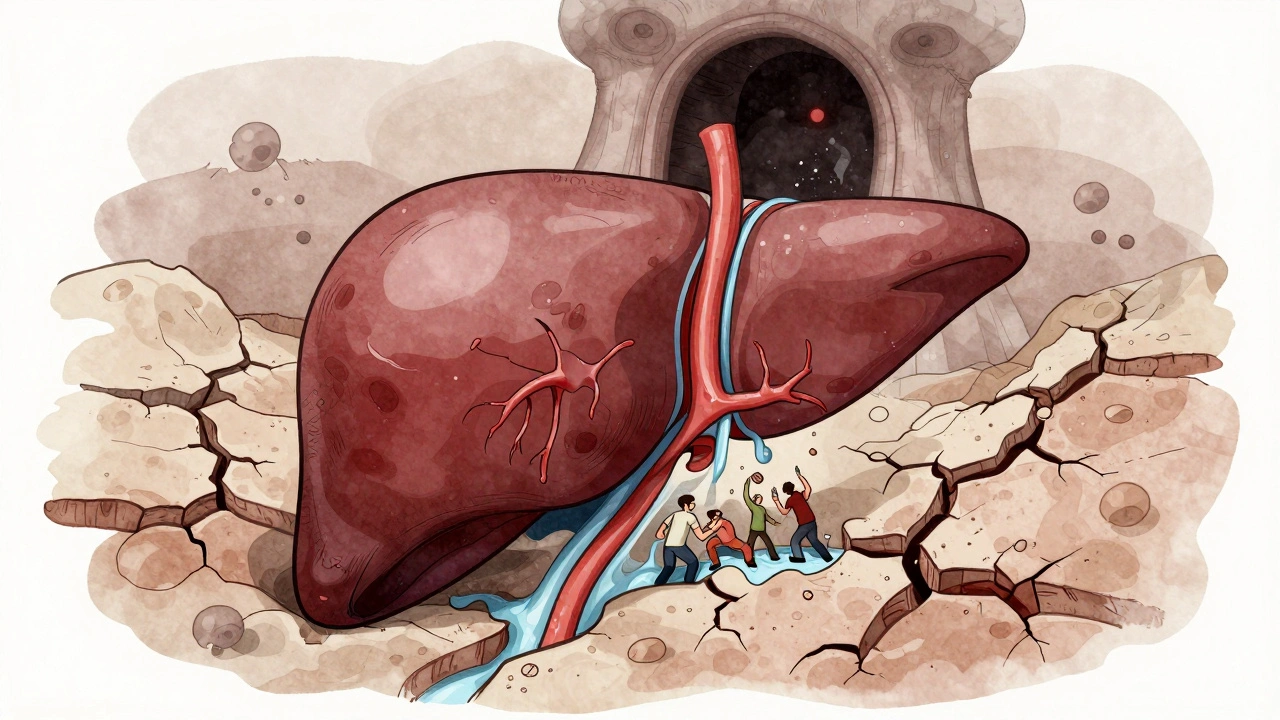
Chronic Liver Disease: Understanding Cirrhosis Complications and How to Manage Them
Cirrhosis is the advanced stage of chronic liver disease with serious complications like ascites, bleeding, and brain fog. Learn how to recognize warning signs, manage symptoms with proven treatments, and improve survival through monitoring and lifestyle changes.