Hepatic Encephalopathy: Causes, Signs, and How Medications Affect Brain Function in Liver Disease
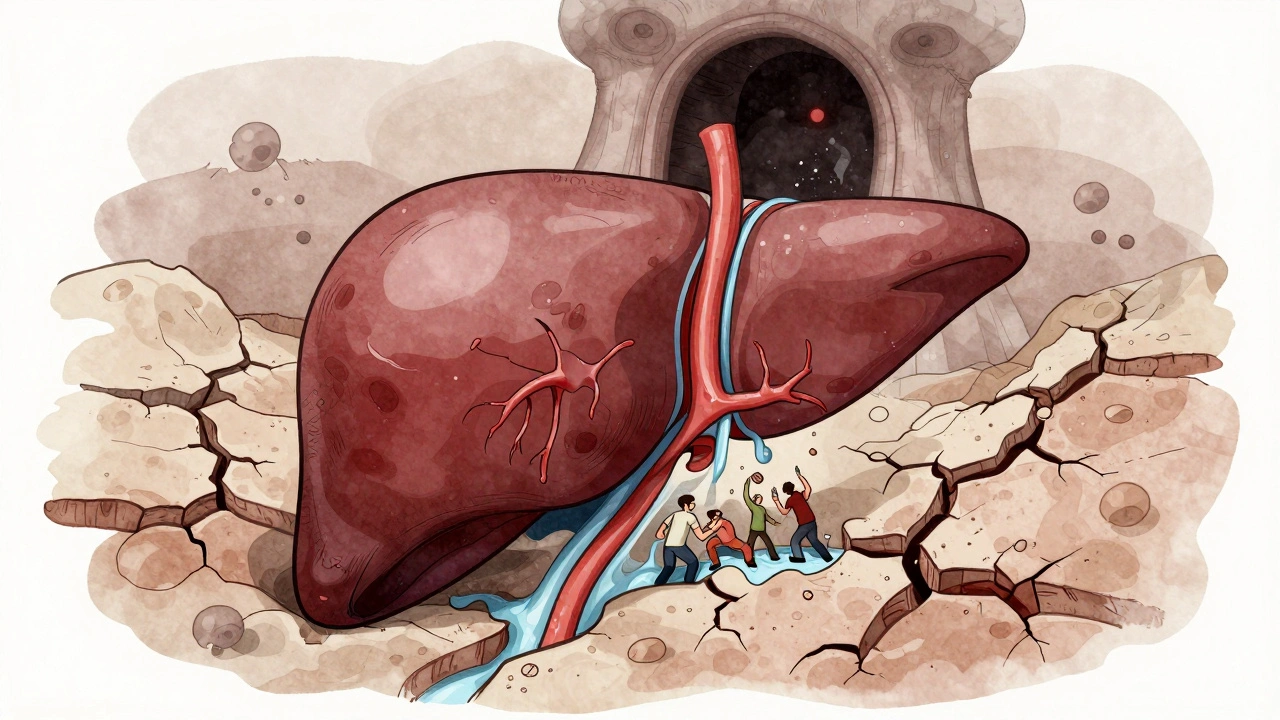
When your liver can’t clean your blood properly, toxins like ammonia, a waste product from protein breakdown that builds up when the liver fails flood your brain. This is hepatic encephalopathy, a reversible brain disorder caused by advanced liver disease. It doesn’t mean you have dementia—it means your liver is too damaged to filter out poisons, and your brain is paying the price. People with cirrhosis, hepatitis, or those who’ve had a liver transplant are most at risk. You might not notice it at first: just a little confusion, trouble focusing, or forgetfulness. But it can get worse fast—slurred speech, shaking hands, odd behavior, even coma.
What makes this tricky is that many common medications can make hepatic encephalopathy worse. Benzodiazepines, sedatives often used for anxiety or sleep slow down brain activity even more when the liver is already struggling. Opioids, painkillers that depress the central nervous system can trigger or deepen confusion. Even some antibiotics and diuretics can throw off your body’s balance, raising ammonia levels or messing with electrolytes your brain needs to function. That’s why doctors often avoid certain drugs in people with liver disease—they’re not just less effective, they’re riskier. On the flip side, treatments like lactulose and rifaximin help by trapping ammonia in the gut or killing the bacteria that produce it. It’s not about cutting out all meds—it’s about choosing the right ones and watching for early signs.
You don’t need to wait for severe symptoms to act. If you or someone you know has liver disease and starts zoning out, mixing up words, or sleeping more than usual, get it checked. Early intervention can reverse the damage. The posts below cover exactly what you need to know: how drugs affect brain function in liver patients, what to avoid, what helps, and how to talk to your doctor about safer options. You’ll find real-world advice on medication safety, kidney-liver connections, and how to spot trouble before it becomes an emergency.
December 2, 2025
Chronic Liver Disease: Understanding Cirrhosis Complications and How to Manage Them
Cirrhosis is the advanced stage of chronic liver disease with serious complications like ascites, bleeding, and brain fog. Learn how to recognize warning signs, manage symptoms with proven treatments, and improve survival through monitoring and lifestyle changes.