Learn how to safely dispose of unused opioids to prevent misuse, accidental overdose, and child exposure. Discover the four proven methods - take-back sites, deactivation pouches, household disposal, and flushing - and what to avoid.

When you prevent opioid overdose, taking action before a life-threatening event occurs to stop respiratory failure caused by excessive opioid use. Also known as opioid overdose prevention, it’s not just about avoiding drugs—it’s about knowing what to do when things go wrong. Every year, tens of thousands of people in the U.S. die from opioid overdoses. Most of these deaths happen because no one knew how to respond—or didn’t have the tools to act in time.
Naloxone, a medication that rapidly reverses opioid overdose by blocking opioid receptors in the brain. Also known as Narcan, it’s safe, easy to use, and works even if you’re not a medical professional. Keep it in your home, car, or bag if you or someone you know uses opioids—even if it’s just for pain. It doesn’t work on other drugs like alcohol or benzodiazepines, but for opioids? It’s a direct reset button for breathing. You don’t need a prescription in most places anymore, and many pharmacies give it out free.
Opioid addiction, a chronic brain disorder where compulsive drug use continues despite harmful consequences. Also known as opioid use disorder, it’s not a moral failure—it’s a medical condition that changes how the brain rewards behavior. People don’t overdose because they’re careless. They overdose because tolerance shifts, pills get stronger, or they use alone after a period of abstinence. That’s why having someone nearby who knows how to respond is critical. Using opioids with others reduces risk. So does testing pills with fentanyl strips—something that’s become common in harm reduction circles.
Many of the posts here cover related dangers: how medications like gabapentin can increase sedation when mixed with opioids, how kidney function affects drug clearance in older adults, and how drug interactions can silently raise overdose risk. One article explains why people with chronic pain sometimes end up on higher doses than they need—and how that quietly increases danger. Another shows how diabetes and kidney disease change how the body handles drugs, making overdose more likely even at "normal" doses.
You don’t need to be a doctor to save a life. Knowing the signs—slow or stopped breathing, blue lips, unresponsiveness—is enough. Learning how to use naloxone takes five minutes. Calling 911 after giving it? That’s the next step. And if you’re worried about someone using opioids, talking to them without judgment matters more than you think. Most overdoses happen because people feel alone in their struggle.
What follows are real stories, practical guides, and science-backed advice from people who’ve faced this head-on. You’ll find what works, what doesn’t, and how to make smarter choices—not just for yourself, but for the people you care about. This isn’t about fear. It’s about being prepared.
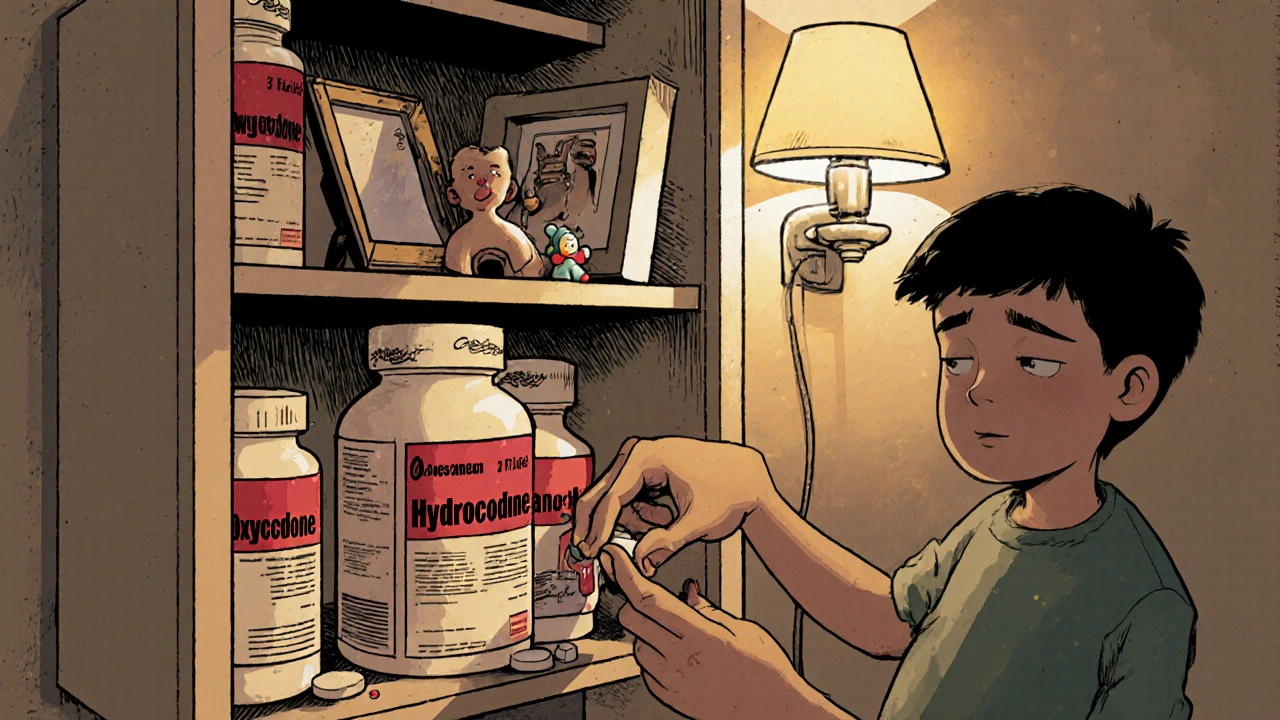
Learn how to safely dispose of unused opioids to prevent misuse, accidental overdose, and child exposure. Discover the four proven methods - take-back sites, deactivation pouches, household disposal, and flushing - and what to avoid.
Health and Wellness