Learn how to choose the right insulin type and regimen for diabetes based on your lifestyle, cost, and health goals. Understand rapid-acting, long-acting, and basal-bolus options with real-world insights.

When you hear insulin analogs, modified forms of insulin designed to mimic the body’s natural insulin release more closely than traditional insulin. Also known as fast-acting or long-acting insulin versions, they are a cornerstone of modern diabetes care for millions of people with type 1 and type 2 diabetes. Unlike regular human insulin, which takes time to start working and lasts inconsistently, insulin analogs are chemically tweaked to act faster, last longer, or stay steady — all to match how your body should use insulin naturally.
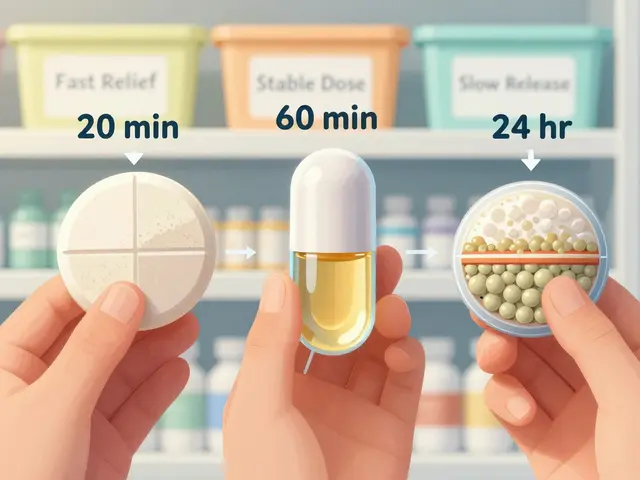
These drugs aren’t just about replacing insulin — they’re about timing it right. fast-acting insulin analogs, like lispro, aspart, and glulisine. Also known as mealtime insulin, they kick in within 15 minutes and clear out in 3 to 5 hours, so you can take them right before or even after eating without crashing your blood sugar. Then there’s long-acting insulin analogs, such as glargine, detemir, and degludec. Also known as basal insulin, they provide a slow, steady trickle of insulin over 24 hours or more, keeping your blood sugar stable between meals and overnight. Together, they let people with diabetes live with fewer spikes and drops — and fewer scary lows.
It’s not just about convenience. For people with type 1 diabetes, insulin analogs are often the only way to survive without constant hospital visits. For those with type 2 who’ve moved beyond pills, these analogs offer more control without the weight gain or unpredictable peaks that older insulins caused. Studies show they reduce hypoglycemia by up to 30% compared to older insulins — a big deal when low blood sugar can mean confusion, seizures, or worse.
You’ll find these drugs referenced across posts about diabetes medications, side effects, and treatment choices. Some people use them with SGLT2 inhibitors or GLP-1 agonists. Others switch to analogs after struggling with metformin or trying to avoid nighttime lows. They’re part of the conversation when doctors talk about kidney safety, senior dosing, or managing prediabetes before it turns into full-blown diabetes.
What you won’t find in every post is the real-world cost, the injection anxiety, or the trial-and-error it takes to find the right combo. But you will find honest takes on how these drugs fit into daily life — whether you’re a truck driver needing stable blood sugar for long hauls, a senior worried about falls from low sugar, or someone trying to reverse prediabetes before insulin becomes unavoidable.
Below, you’ll find real patient experiences, safety tips, and comparisons that cut through the noise. No marketing fluff. Just what works, what doesn’t, and what you need to know before your next doctor visit.

Learn how to choose the right insulin type and regimen for diabetes based on your lifestyle, cost, and health goals. Understand rapid-acting, long-acting, and basal-bolus options with real-world insights.
Health and Wellness