Sleep Apnea Alternative: Non-CPAP Solutions That Actually Work
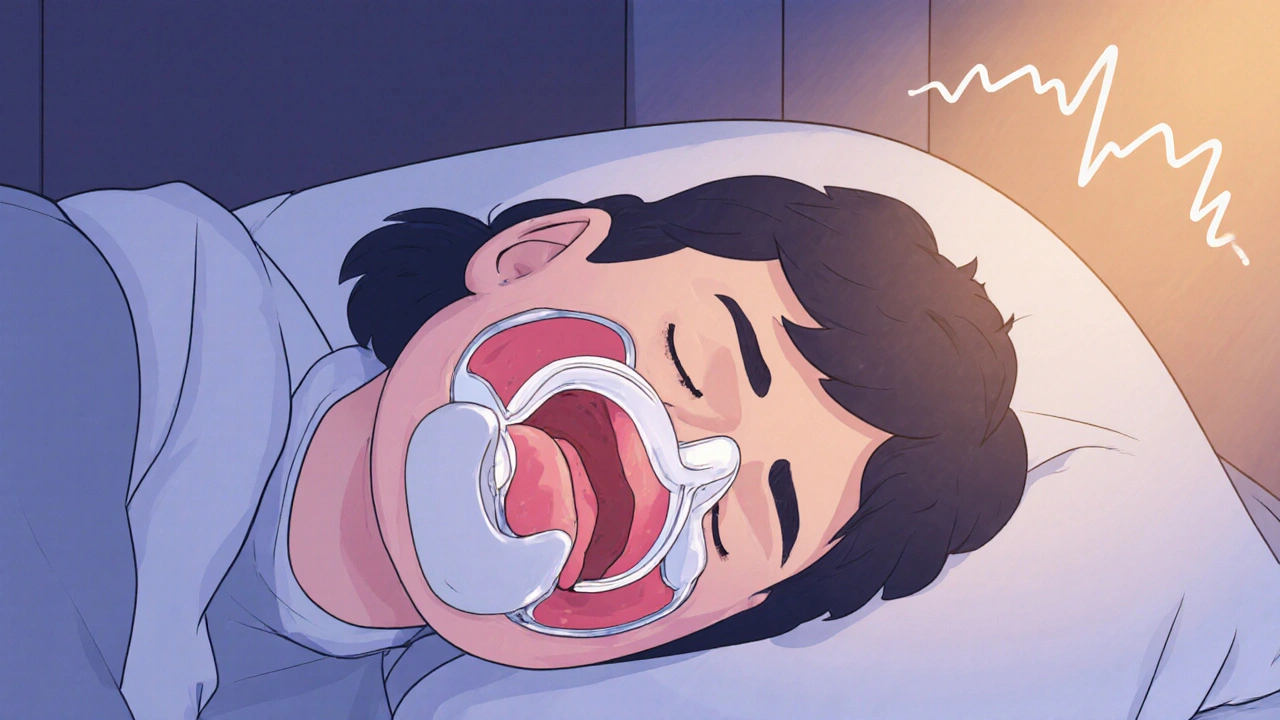
When you have sleep apnea, a condition where breathing repeatedly stops and starts during sleep. Also known as obstructive sleep apnea, it’s not just about snoring—it’s about your body struggling to get oxygen while you rest. This isn’t something you can ignore. Left untreated, it raises your risk of high blood pressure, heart problems, and even stroke. Many people start with a CPAP machine, but if the mask feels uncomfortable, leaks air, or just makes you feel trapped, you’re not alone. That’s where sleep apnea alternative options come in—real, science-backed ways to breathe easier without the machine.
Some of these alternatives target the root cause: blocked airways. For example, oral appliances, custom-fitted by a dentist, gently move your jaw forward to keep your throat open. They’re small, quiet, and easy to travel with. Others focus on weight and muscle tone. Losing even 10% of your body weight can cut sleep apnea episodes in half. Sleeping on your side instead of your back? That simple shift can reduce snoring and breathing pauses by up to 50%. Then there’s nasal dilators and breathing exercises like the Buteyko method, which train your body to breathe through your nose and reduce mouth breathing—a big trigger for airway collapse.
Not every alternative works for everyone. If your sleep apnea is severe, some options may not be enough on their own. But for mild to moderate cases, many people find real relief—without the noise, the pressure, or the frustration of CPAP. And that’s the point: you deserve rest that doesn’t feel like a chore. Below, you’ll find real stories and practical guides from people who’ve tried these paths. Some switched from CPAP. Others never used it at all. What they learned might save you months of trial and error.
November 17, 2025
Oral Appliance Therapy for Snoring: How Mandibular Advancement Devices Work and Who They Help
Mandibular advancement devices offer a proven, non-invasive solution for snoring and mild sleep apnea. Learn how they work, who benefits most, their effectiveness compared to CPAP, potential side effects, and the real process from diagnosis to daily use.