Gabapentinoids like gabapentin and pregabalin help with nerve pain but carry serious risks: dizziness, falls in older adults, and misuse. Learn safe dosing limits, how to prevent side effects, and why higher doses don't mean better results.

When you’re prescribed pregabalin, a prescription medication used to treat nerve pain, seizures, and anxiety disorders. Also known as Lyrica, it’s one of the most common drugs for chronic nerve pain, but it doesn’t come without trade-offs. Many people start pregabalin hoping for relief from diabetic nerve pain, fibromyalgia, or post-shingles pain—and it often works. But what happens when the benefits come with dizziness, weight gain, or brain fog? You need to know what’s normal, what’s serious, and when to call your doctor.
Pregabalin doesn’t work the same way as ibuprofen or even gabapentin, even though they’re often grouped together. It targets calcium channels in your nerves to calm overactive signals, which helps with pain and seizures. But that same mechanism can slow down your central nervous system, leading to common side effects like drowsiness, dry mouth, and swelling in your hands or feet. About 1 in 5 people gain weight on pregabalin—sometimes 10 pounds or more in a few months. That’s not just a nuisance; it can make other health problems worse, especially if you already have heart or diabetes issues. And while some side effects fade after a few weeks, others stick around. Dizziness? It’s not just a little wobbly. It can make you fall, especially if you’re older or taking other meds that affect balance.
What about the big ones? Pregabalin can cause mood changes—some people feel happier, but others get depressed, anxious, or even have thoughts of self-harm. If you’ve ever had depression or substance use issues, your doctor should know before prescribing this. And don’t ignore sudden swelling or trouble breathing; those could be signs of a rare but serious allergic reaction. You also can’t just stop taking it. Quitting cold turkey can trigger seizures, panic attacks, or insomnia worse than what you started with. Tapering off slowly under medical supervision isn’t optional—it’s essential.
People often compare pregabalin to gabapentin, but they’re not twins. Pregabalin works faster, is more predictable in dosing, and tends to cause more weight gain and dizziness. If you’re switching from gabapentin, you might feel different—sometimes better, sometimes worse. And if you’re on opioids, benzodiazepines, or alcohol, pregabalin can dangerously slow your breathing. That’s why doctors now screen for risk before writing the script.
Below, you’ll find real patient experiences, doctor-approved tips for managing side effects, and comparisons with other nerve pain treatments. No fluff. No marketing. Just what actually happens when you take pregabalin—and how to stay safe while doing it.
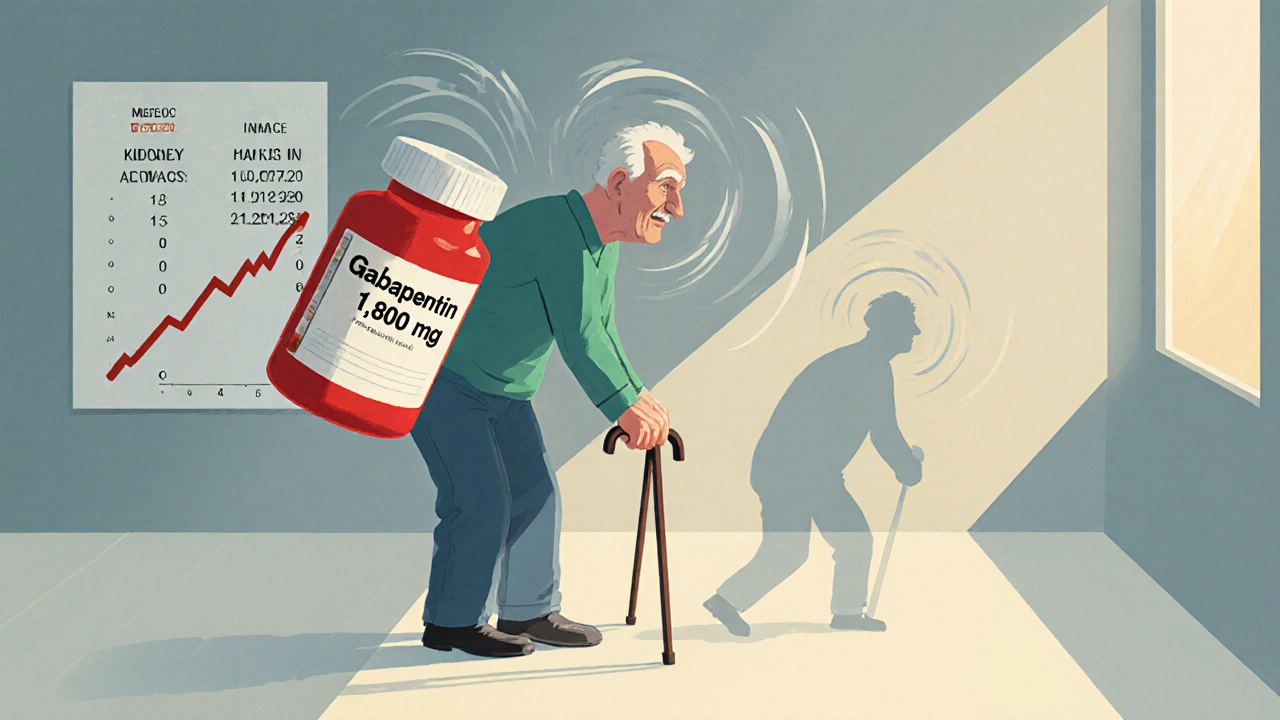
Gabapentinoids like gabapentin and pregabalin help with nerve pain but carry serious risks: dizziness, falls in older adults, and misuse. Learn safe dosing limits, how to prevent side effects, and why higher doses don't mean better results.
Pharmaceuticals