Cancer survivorship means managing lasting side effects and watching for recurrence after treatment ends. Learn how to build a care plan, reduce risks, and improve long-term health with evidence-based strategies.

When cancer treatment ends, many people assume the hardest part is over. But for thousands, a new set of challenges begins: late effects of cancer, health problems that appear months or years after treatment ends, often from chemotherapy, radiation, or surgery. These aren’t just side effects—they’re lasting changes to your body that can affect your heart, lungs, nerves, hormones, or even your ability to have children. You might feel fine after finishing chemo, only to develop numbness in your hands, trouble breathing, or early menopause years later. This isn’t rare. Studies show over 60% of adult cancer survivors face at least one long-term issue.
The biggest culprits? chemotherapy, drugs that kill fast-growing cells but can also damage healthy tissues like the heart or nerves. Drugs like doxorubicin can weaken your heart muscle. Platinum-based chemo, common for ovarian or lung cancer, often causes permanent nerve damage. Then there’s radiation therapy, high-energy beams that target tumors but can scar nearby organs, increase cancer risk, or trigger thyroid problems. A woman treated for breast cancer with radiation to the chest might develop heart disease decades later. A child treated for leukemia with cranial radiation could face learning difficulties or hormone imbalances as an adult. These aren’t accidents—they’re predictable outcomes tied to the type, dose, and location of treatment.
What’s often missed is how these effects overlap with aging. If you survived cancer in your 40s, your body might start showing signs of aging in your 50s—but faster and harder than your peers. Bone density drops. Kidneys struggle. Memory fogs. Some of this is normal aging. Some is cancer treatment. And doctors don’t always connect the dots. That’s why tracking your history matters. Keep a record of every drug, dose, and radiation site. Bring it to every checkup. Ask: "Could this symptom be linked to my treatment?" You’re not overreacting—you’re being smart.
There’s no one-size-fits-all plan, but you’re not alone. The posts below cover real-life stories and science-backed strategies: how to monitor heart health after chemo, what blood tests catch early signs of organ damage, how to manage nerve pain from old treatments, and why certain supplements can help—or hurt. You’ll find guides on managing fatigue years after treatment, protecting your bones after hormone therapy, and knowing when to push back on a doctor who dismisses your symptoms as "just aging." This isn’t about fear. It’s about control. You beat cancer. Now it’s time to protect the life you fought for.
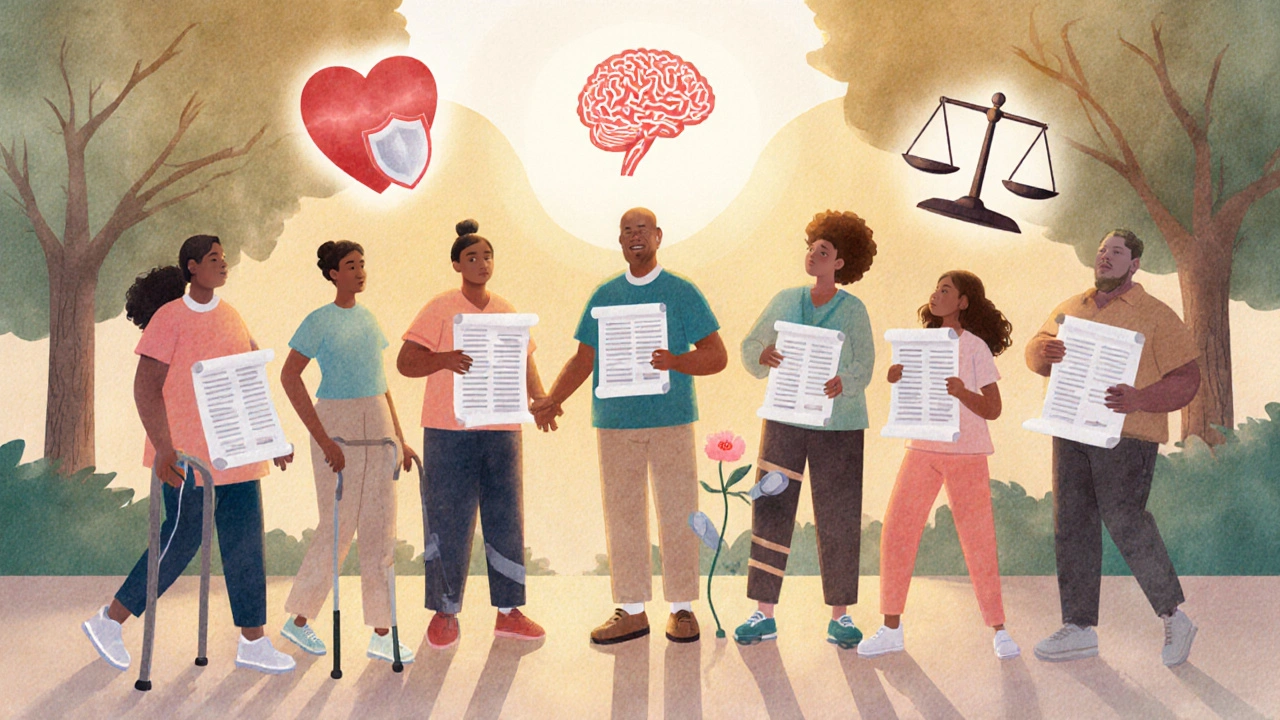
Cancer survivorship means managing lasting side effects and watching for recurrence after treatment ends. Learn how to build a care plan, reduce risks, and improve long-term health with evidence-based strategies.
Health and Wellness