Learn how to choose the right insulin type and regimen for diabetes based on your lifestyle, cost, and health goals. Understand rapid-acting, long-acting, and basal-bolus options with real-world insights.

When you need insulin to control blood sugar, basal-bolus therapy, a daily insulin regimen that combines long-acting background insulin with rapid-acting mealtime insulin. Also known as basal-bolus insulin regimen, it’s designed to mimic how a healthy pancreas releases insulin—steady and slow for baseline needs, plus bursts when you eat. This approach is most often used for type 1 diabetes, an autoimmune condition where the body stops making insulin, but many people with type 2 diabetes, a condition where the body doesn’t use insulin properly also switch to it when pills aren’t enough.
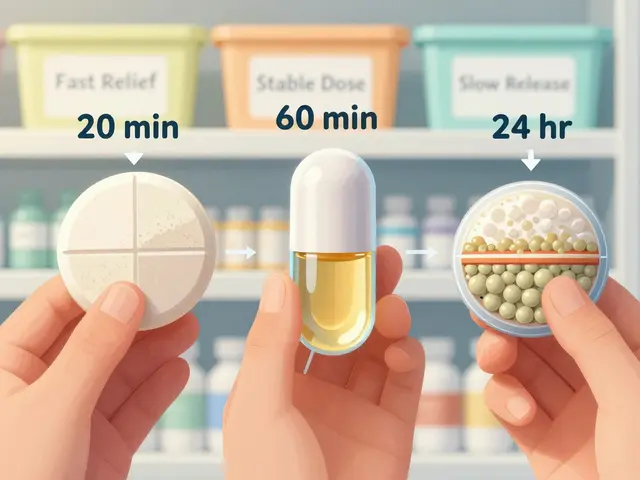
Basal-bolus therapy isn’t one-size-fits-all. The basal part is a long-acting insulin like glargine or detemir, given once or twice a day to keep blood sugar stable between meals and overnight. The bolus part is a fast-acting insulin like lispro or aspart, taken right before meals to handle the sugar spike from food. It’s not just about counting carbs—you need to match your dose to what you eat, your activity level, and your current blood sugar. That’s why this method gives you more control but also demands more attention. People who use it often check their blood sugar 4–6 times a day. It’s not for everyone, but for those who need tight control—like pregnant women, kids, or people with unpredictable schedules—it’s often the best option.
Some worry about low blood sugar, and yes, it’s a risk with any insulin therapy. But basal-bolus lets you adjust doses more precisely than older methods like twice-daily mixed insulin. You can skip a bolus if you don’t eat, or lower it if you’re more active. It also pairs well with continuous glucose monitors, making it easier to spot trends before things go off track. If you’ve been on pills for years and your doctor says it’s time for insulin, basal-bolus might be the next step—not because your diabetes got worse, but because your body needs a smarter system.
Below, you’ll find real-world guides on how this therapy connects to other parts of diabetes care—from choosing the right insulin, managing side effects, and avoiding ketoacidosis, to understanding how newer drugs like SGLT2 inhibitors and DPP-4 inhibitors fit into the bigger picture. Whether you’re just starting out or looking to fine-tune your routine, these posts give you the practical details you won’t get from a pamphlet.

Learn how to choose the right insulin type and regimen for diabetes based on your lifestyle, cost, and health goals. Understand rapid-acting, long-acting, and basal-bolus options with real-world insights.
Health and Wellness