
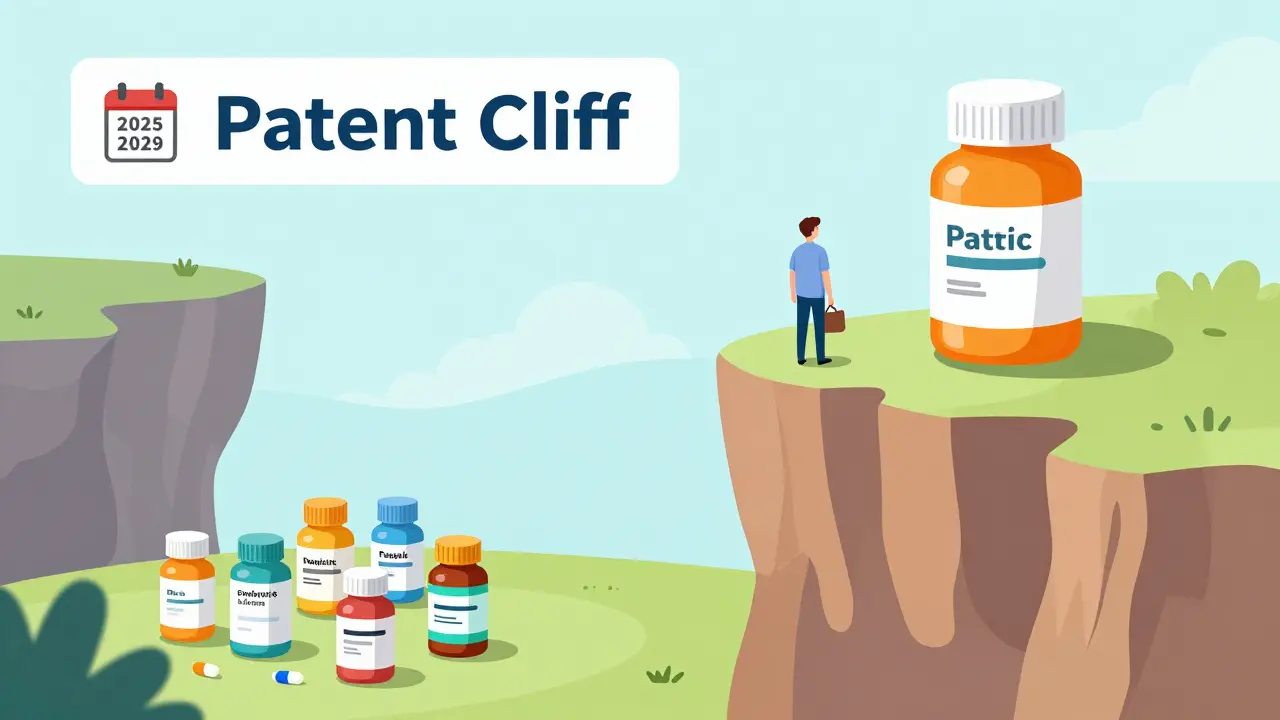
Imagine your medication costs dropping by 80% overnight. That is the promise of patent expiry, a critical moment when brand-name drugs lose their market exclusivity and cheaper alternatives enter the arena. But for patients and healthcare systems, this transition is rarely smooth. It brings confusion about whether new pills are truly equivalent, sudden changes in insurance formularies, and complex decisions about switching therapies. With an estimated $90 billion in drug sales at risk between 2025 and 2029 due to expiring patents, understanding how to navigate this shift is no longer optional-it is essential for managing health and budgets.
The Reality of the Patent Cliff
We are currently experiencing what experts call "Patent Cliff 2.0." This term describes a massive wave of blockbuster drugs losing their patent protection simultaneously. According to data from the IQVIA Institute, this period represents the most significant loss of exclusivity (LOE) in over a decade. For context, the Hatch-Waxman Act of 1984 established the current framework where a drug’s patent nominally lasts 20 years from filing. However, because it takes roughly 10-13 years to develop and get regulatory approval, manufacturers only enjoy about 7-10 years of actual market exclusivity to recoup costs.
When that clock runs out, generic manufacturers can launch their versions using the Abbreviated New Drug Application (ANDA) process. This typically causes brand-name unit share to plummet to just 16% within one year. While this sounds like a victory for affordability, the reality on the ground is messier. Pharmaceutical companies often use "patent thickets"-filing dozens of secondary patents on minor variations like extended-release formulas or specific delivery methods-to delay true competition. Nearly 80 of the top 100 selling drugs have these protective layers, meaning the cheap generic you expect might not arrive on schedule.
What Patients Need to Know About Switching
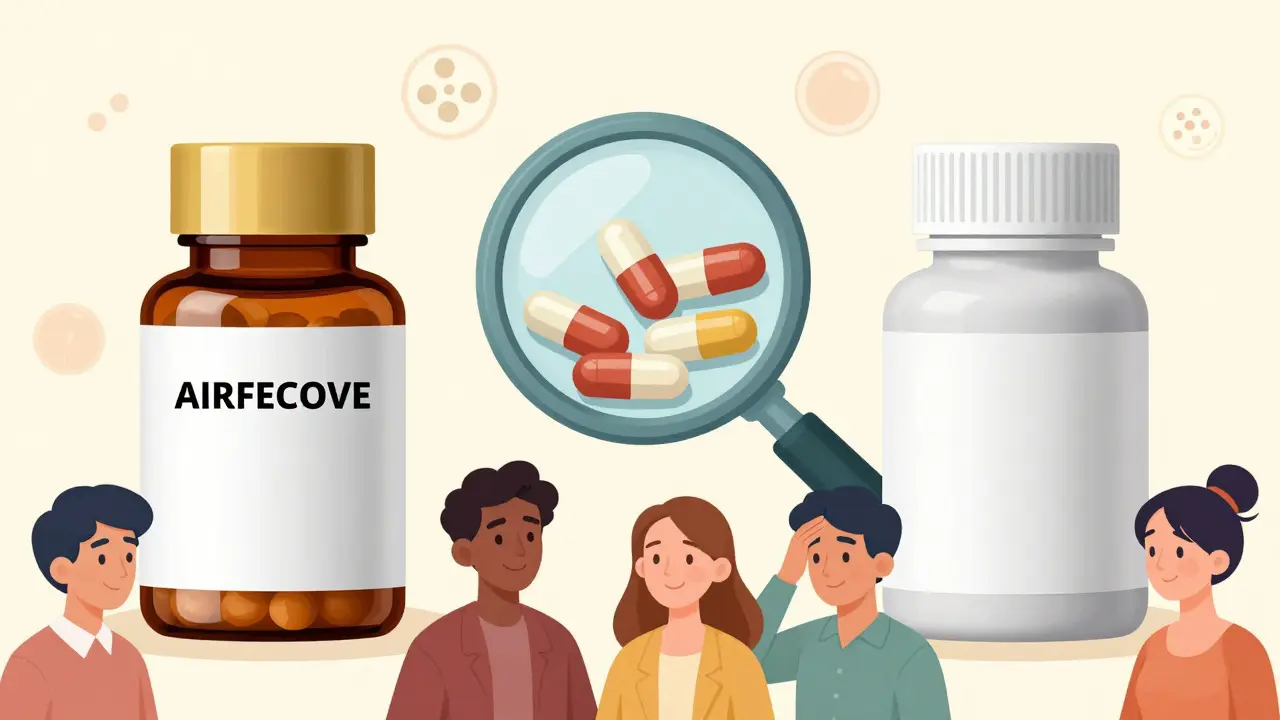
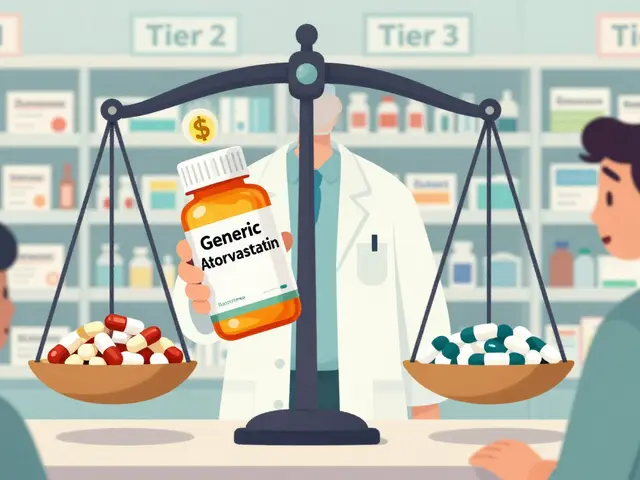
If you are a patient relying on a chronic medication, patent expiry directly affects your wallet and your routine. The biggest question is usually: "Is the generic as good as the brand?" Legally, yes. Generic drugs must demonstrate bioequivalence, meaning they deliver 80-125% of the same active ingredient into your bloodstream compared to the reference product. However, they can contain different inactive ingredients (fillers, dyes, binders). For most people, this makes no difference. But for sensitive individuals, these fillers can cause mild side effects or allergic reactions.
Surveys reveal that nearly 40% of patients report some form of adverse effect or confusion when switching to generics, even when those generics meet regulatory standards. Here is what you should do:
- Don't panic about the switch. For the vast majority of medications, especially cardiovascular drugs, generics are clinically identical in effectiveness.
- Watch for subtle changes. If you notice new headaches, stomach upset, or slight changes in efficacy after switching, talk to your doctor. You may need a different generic manufacturer or a return to the brand name if medically necessary.
- Check your insurance formulary. Insurance plans often force switches to generics to save money. In 2022, 42% of Medicare Part D beneficiaries experienced medication changes due to these formulary adjustments. Call your insurer to ask if prior authorization is needed to stay on your current drug.
- Understand biosimilars differently. If your drug is a biologic (like insulin or certain cancer treatments), the alternative is called a biosimilar, not a generic. Biosimilars are highly similar but not identical copies. They tend to be more expensive than small-molecule generics and take longer to gain widespread acceptance. Only about 38% of biologic prescriptions convert to biosimilars within two years of patent expiry.
Strategic Planning for Healthcare Systems
For hospitals, clinics, and pharmacy benefit managers (PBMs), patent expiry is a financial event that requires military-grade precision. Reactive planning leads to missed savings and supply chain chaos. Proactive planning starts 24 months before the anticipated patent expiry date. Research shows that health systems starting their planning two years early achieve 22% greater cost savings than those waiting until the last minute.
Here is a practical timeline for healthcare administrators:
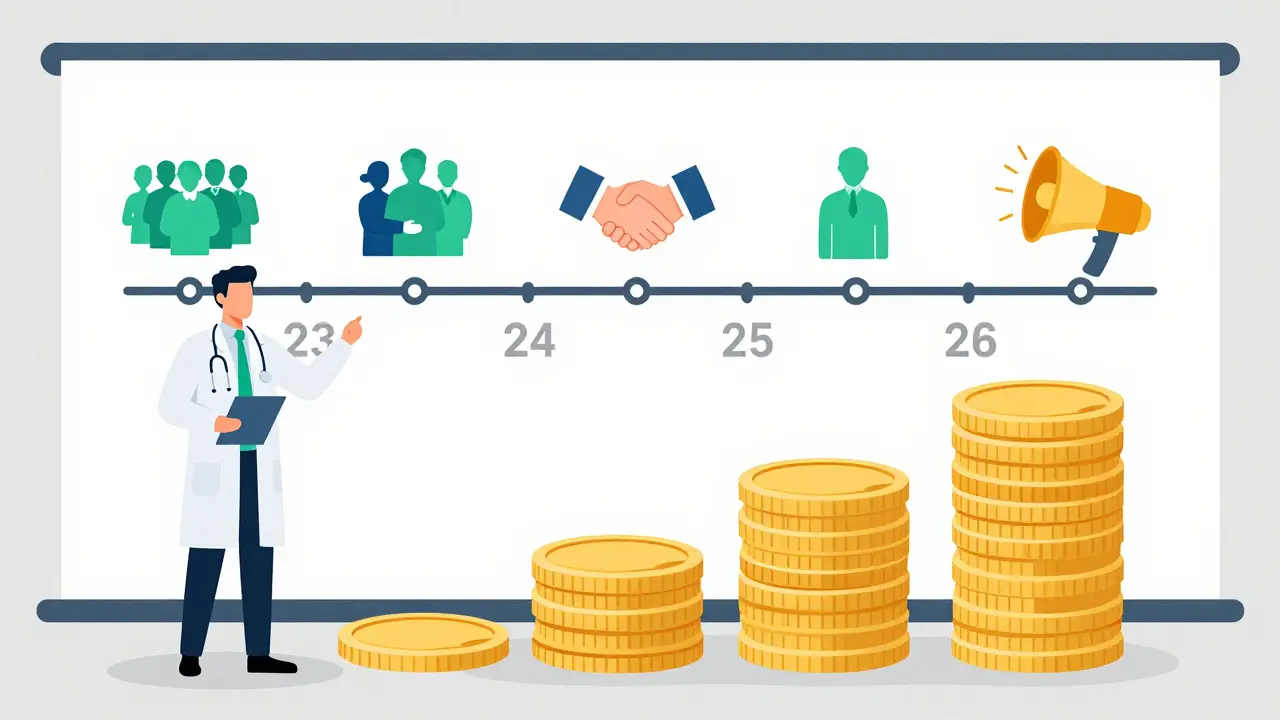
- 24 Months Pre-Expiry: Establish a dedicated Loss of Exclusivity (LOE) task force. Include pharmacy, finance, and contracting representatives. Identify which high-cost drugs in your portfolio are approaching expiry.
- 18 Months Pre-Expiry: Conduct a market analysis. Check the FDA pipeline for approved ANDAs. Are there authorized generics launching first? How many competitors are entering? Use tracking software like Symphony Health’s PatentSight to monitor these developments.
- 12 Months Pre-Expiry: Finalize formulary positioning. Decide which generic or biosimilar will be preferred. Negotiate contracts with manufacturers now, leveraging the anticipated price drop. Generic prices typically fall 50-70% in the first year of competition.
- 9 Months Pre-Expiry: Update clinical guidelines. Create protocols for therapeutic substitution. Address physician concerns about efficacy differences proactively.
- 6 Months Pre-Expiry: Launch patient education campaigns. Explain why the switch is happening and what to expect. Develop transition protocols to reduce discontinuation rates, which can spike by 35% without proper support.
A major pitfall to avoid is underestimating the complexity of rebate structures. In the U.S., list prices often mask the true net cost. Seventy-eight percent of PBMs report challenges in calculating the real savings from generics because rebates and discounts complicate the picture. Always look at net pricing, not list pricing, when evaluating the financial impact of a patent expiry.
| Feature | Small-Molecule Generics | Biosimilars |
|---|---|---|
| Price Reduction | 70-90% within one year | 20-40% initially |
| Market Share Gain | 90%+ within 12 months | ~38% within 2 years |
| Development Complexity | Low (chemical copying) | High (biological manufacturing) |
| Regulatory Pathway | ANDA (Abbreviated New Drug App) | BLA (Biologics License Application) |
| Patient Acceptance | High | Moderate (requires more education) |
Navigating Therapeutic Areas and Risks
Not all drug classes behave the same way during patent expiry. Cardiovascular drugs are the easiest to manage; they typically see rapid generic adoption and stable supply chains. Immunology and oncology drugs, however, present severe challenges. These categories hold the most value at risk ($45 billion and $32 billion respectively through 2028) but also feature the slowest generic penetration. Complex delivery mechanisms and higher stakes for treatment failure make physicians hesitant to switch.
Supply chain instability is another hidden risk. Hospital pharmacy directors report that 65% experience temporary drug shortages during the first 3-6 months post-expiry as manufacturers ramp up production. To mitigate this, systems should maintain safety stock of the brand-name drug during the transition window and diversify generic suppliers to avoid reliance on a single manufacturer.
Physician resistance remains a hurdle. Over 60% of doctors express concerns about efficacy differences when switching patients. Healthcare systems must invest in clinical decision support tools and direct communication with prescribers to build confidence in the new options. Emphasizing that the active ingredient is identical and providing data on successful transitions can ease this anxiety.
Future Trends and Regulatory Shifts
The landscape is changing fast. The 2022 Inflation Reduction Act introduced Medicare drug price negotiations for drugs that have lost patent protection, potentially affecting 10-20 drugs annually starting in 2026. This adds another layer of pricing pressure and complexity for payers. Additionally, the CREATES Act amendments have strengthened rules against anti-competitive tactics like "pay-for-delay" agreements, leading to a 35% reduction in such schemes in 2023 alone.
Technology is also improving forecasting accuracy. AI-powered patent expiry prediction tools are being adopted by nearly half of top health systems, boosting prediction accuracy from 65% to 89%. This allows for more precise budgeting and inventory management. Looking ahead, gene therapies and other next-generation treatments will face uncertain patent timelines, requiring even more flexible planning strategies.
For both patients and systems, the key takeaway is preparation. Patent expiry offers a chance for significant cost savings and access to affordable care, but only if you plan for it. Don’t wait for the pill bottle to change color; start asking questions, reviewing forms, and building strategies today.
How long does it take for generic prices to drop after patent expiry?
Generic prices typically drop significantly within the first year of market entry. Small-molecule drugs often see price reductions of 70-90% within 12 months. However, in the U.S., the decline can be gradual due to rebate structures, sometimes taking 18-24 months to reach the lowest net prices. Biosimilars take longer, with modest initial drops of 20-40%.
Are biosimilars safe and effective compared to brand-name biologics?
Yes, biosimilars are held to strict regulatory standards. They must show no clinically meaningful differences in safety, purity, and potency from the reference product. While they are not exact molecular copies like small-molecule generics, extensive clinical trials ensure their efficacy. Patient acceptance is growing, though it lags behind traditional generics.
Why do pharmaceutical companies use "patent thickets"?
Companies use patent thickets to extend market exclusivity beyond the main compound patent. By filing secondary patents on formulations, delivery methods, or dosages, they create legal barriers that delay generic competition. This strategy protects revenue streams during the critical period when R&D costs need to be recouped.
What should I do if my insurance forces me to switch to a generic?
First, confirm if the generic is available and covered. Second, monitor your body’s response closely for any new side effects. If you experience issues, contact your doctor immediately. You may request a "therapeutic exception" or prior authorization to stay on the brand name if you can document medical necessity, though this may involve higher out-of-pocket costs.
How far in advance should healthcare systems plan for patent expiry?
Best practice dictates starting planning 24 months before the anticipated patent expiry. This allows time for market analysis, contract negotiation, formulary updates, and staff training. Systems that wait until less than 12 months before expiry miss out on significant cost savings and face higher operational risks.
Comments
i really feel for everyone dealing with this mess because it is so overwhelming when you just want to get better and the system makes it complicated and i know people are scared about switching meds and i think we should all be kinder to each other during these transitions because health anxiety is real and nobody wants to feel like their medication isn't working anymore so please take your time and talk to your doctor if you need to
it is hard enough dealing with chronic illness without adding financial stress on top of it all
this whole article is absolute nonsense written by someone who has never had to pay for actual healthcare
the patent cliff is a myth created by big pharma to keep us worried while they make billions anyway
i switched to generics once and got sick immediately so don't listen to this propaganda
you think its just patents? no way
the FDA is in on it
they let the bad drugs through and then sell the cure at high prices
its a global conspiracy to control our bodies
do your own research and stop trusting these government approved lies
the generic pills have microchips in them trust me i saw it online
one must consider the epistemological implications of bioequivalence standards which are frankly woefully inadequate for the discerning patient
the notion that inactive ingredients are merely 'fillers' is a vulgar simplification that ignores the complex pharmacokinetic interactions within the human organism
truly educated individuals understand that the brand name represents a curated experience of chemical precision whereas the generic is a crude approximation devoid of artistic integrity
we are witnessing the democratization of mediocrity in pharmaceuticals
hey there friend! i just wanted to say that america is the best place to get your meds even if they are expensive because our scientists are the smartest in the world
why would we want cheap foreign drugs when we have the freedom to choose?
also i read somewhere that switching drugs changes your soul so stay strong and keep buying american brands!
love and light to you all!
great points here!!
just remember to check your formulary regularly!!!
and always ask your pharmacist if you have questions!!!
knowledge is power!!!
stay safe out there!!!
it is morally reprehensible that corporations prioritize profit over human life but also the inefficiency of the current system is a result of poor management and lack of strategic foresight by healthcare administrators who fail to implement proper protocols
the solution lies in rigorous ethical auditing combined with streamlined operational workflows to ensure equitable access to affordable medications for all citizens regardless of socioeconomic status
we must demand accountability from both industry leaders and regulatory bodies
ur comments r so basic lol
only the elite understand the true cost of health
generic meds r for peasants who cant afford the real thing
if u r smart u will stick to the brand names because ur body deserves the best not some cheap copycat trash
wake up sheeple
the concept of value in pharmaceutical economics is inherently flawed when viewed through the lens of pure market dynamics
one must contemplate the existential burden placed upon the individual consumer who is forced to navigate a labyrinthine regulatory framework designed to obscure rather than illuminate the truth of therapeutic efficacy
perhaps the true cost is not monetary but spiritual
i was wondering how long it takes for the price drop to actually happen for patients
does it happen overnight or is it gradual?
let me break down the PBM rebate structures for you because clearly none of you understand the nuance
list price is irrelevant what matters is net acquisition cost which is heavily influenced by volume rebates and chargebacks
most patients are oblivious to the fact that their copay is often decoupled from the actual drug cost due to these opaque financial instruments
it is a systemic failure of financial literacy in healthcare administration that allows such exploitation to persist unchecked
i guess it depends on the drug
i just hope things get cheaper soon so people can afford them
no pressure tho just observing from the sidelines
it is important to note that biosimilars require a different approach than small molecule generics due to their complex manufacturing processes
patients should be aware that while biosimilars are highly similar they are not identical copies and may have slight differences in immunogenicity
healthcare providers should engage in shared decision making with patients to ensure informed consent regarding these therapeutic alternatives
the moral decay of society is evident in the acceptance of substandard generic medications
those who advocate for cost savings over quality are complicit in the degradation of public health standards
we must uphold the highest ethical principles in medicine which dictate that only the most rigorously tested and proven therapies should be administered to vulnerable populations
anything less is a betrayal of the hippocratic oath
yeah i heard generics are pretty much the same
just check with yer doc if u feel weird
no big deal really