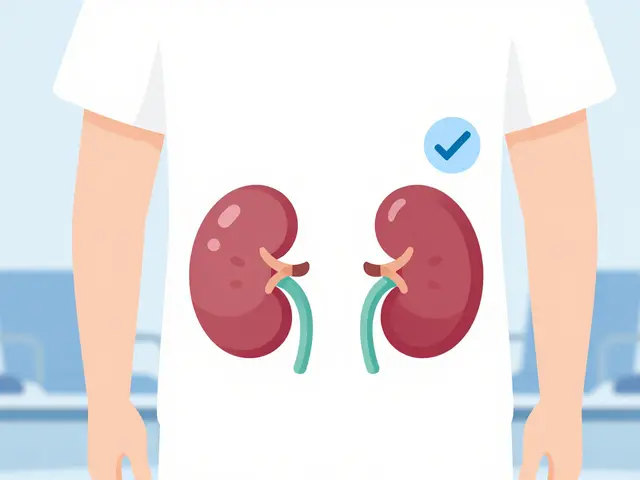
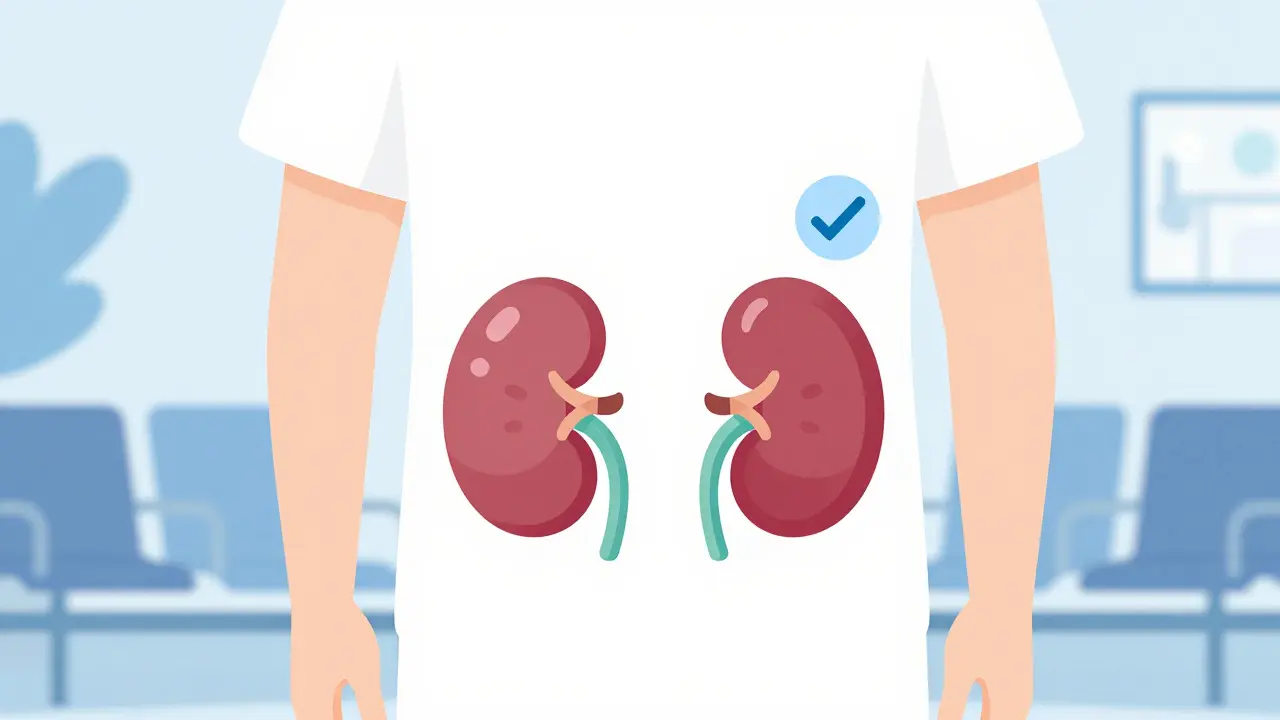
Your kidneys are hardworking organs that filter waste from your blood every single day. But here is the tricky part: they often stay silent until significant damage has already occurred. That is why understanding Kidney Function Tests are medical diagnostic procedures used to evaluate the health and filtration capacity of the kidneys is not just for people who already have a diagnosis. It is for anyone who wants to catch problems early when treatment is most effective.
You might be wondering what these tests actually measure and why doctors order them. The short answer is that they look at two main things: how well your kidneys are filtering waste from your blood and whether they are leaking essential proteins into your urine. By looking at markers like creatinine, estimated glomerular filtration rate (eGFR), and results from a urinalysis, you get a clear picture of your renal health.
The Blood Test Markers: BUN and Creatinine
When you go in for blood work, you will likely see a few specific numbers on your lab report. The most common ones related to your kidneys are Blood Urea Nitrogen (BUN) and serum creatinine. These are waste products that your body produces naturally, and healthy kidneys should filter them out efficiently.
Blood Urea Nitrogen (BUN) measures the amount of urea nitrogen in your blood, which is a waste product produced when your liver breaks down protein. If your kidneys aren't working right, urea builds up in your bloodstream. However, BUN levels can also be affected by dehydration or a high-protein diet, so it is rarely used alone to diagnose kidney issues.
Then there is Serum Creatinine, which is a waste product generated by normal wear and tear on muscle tissue. This marker is generally more reliable than BUN because it is less affected by diet. Your muscles produce creatinine at a relatively steady rate, so if your kidneys are failing to filter it, levels in your blood rise.
Here is the catch with creatinine: it is considered a "late marker." According to medical resources like Physiopedia, you can lose about 50% of your kidney function before your serum creatinine levels start to show a noticeable spike. This means that relying on creatinine alone might miss early-stage disease. That is why doctors combine it with other calculations to get a fuller picture.
Understanding eGFR: The Real Performance Metric
If creatinine tells us how much waste is in your blood, Estimated Glomerular Filtration Rate (eGFR) tells us how fast your blood is being filtered through the kidneys. Think of it as the speedometer for your kidney function. Instead of just measuring the waste, eGFR estimates the volume of fluid filtered from the glomeruli (tiny filters inside your kidneys) per minute.
Your doctor calculates this number using your serum creatinine level, along with your age, sex, and sometimes race. The current standard equation used worldwide is the CKD-EPI equation, which replaced older methods because it provides better accuracy, especially for people with higher kidney function.
So, what do the numbers mean? Here is a breakdown based on guidelines from organizations like the UK Kidney Association and the National Kidney Foundation:
- eGFR 90 or higher: Normal kidney function. If you have no other signs of kidney damage, you are in good shape.
- eGFR 60-89: Mildly decreased kidney function. This might be normal for older adults, but if you have other risk factors like diabetes, it needs monitoring.
- eGFR 30-59: Moderate to severe decrease. This usually indicates chronic kidney disease (CKD).
- eGFR 15-29: Severely compromised function. You need close medical supervision.
- eGFR below 15: Kidney failure (End-Stage Renal Disease). Dialysis or transplant may be necessary.
It is important to note that eGFR isn't perfect. If you are very muscular, pregnant, or under 18, the calculation might not be accurate. In those cases, doctors might use a different marker called cystatin C to get a more precise estimate.
Urinalysis: Checking for Leaks
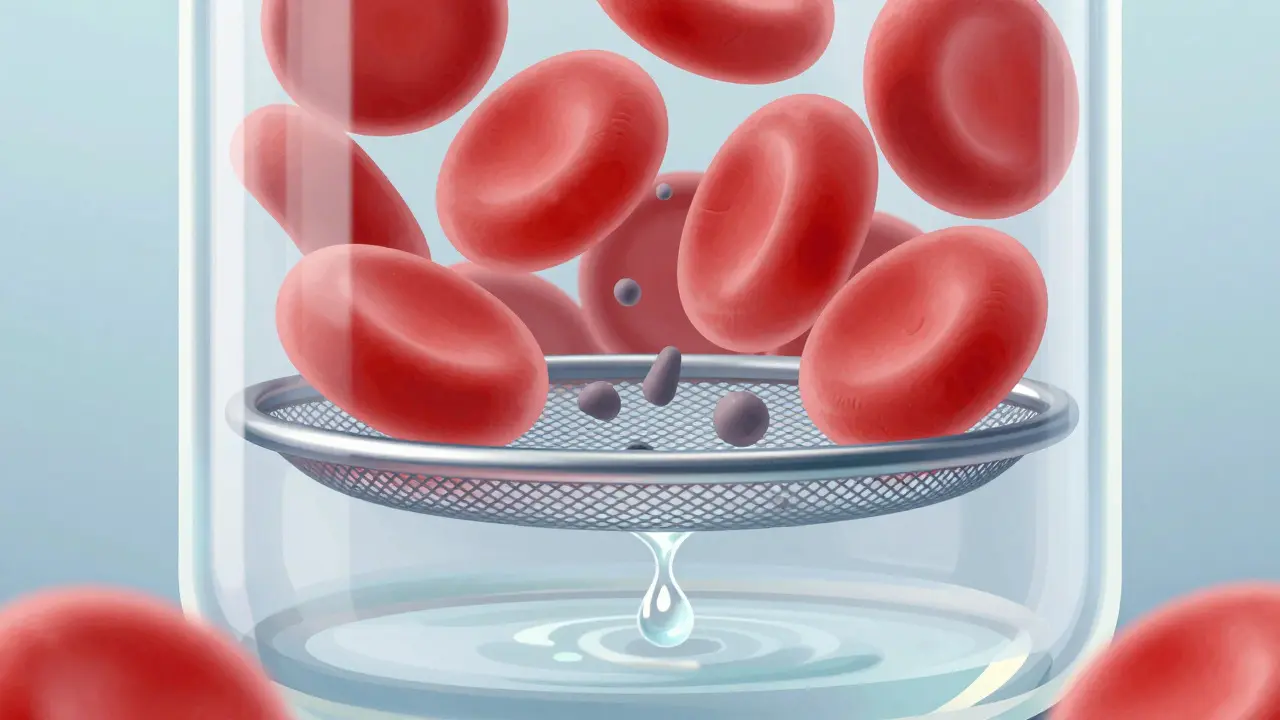
Blood tests tell us about filtration, but urine tests tell us about structural integrity. Healthy kidneys keep useful substances like protein and blood cells in your blood. When the filters get damaged, these substances leak into your urine. This is why Urinalysis is a test that examines your urine for abnormalities such as protein, blood, sugar, and ketones is a critical part of the evaluation.
The gold standard for detecting early kidney damage is the Albumin-Creatinine Ratio (ACR). This test measures the amount of albumin (a type of protein) in your urine compared to creatinine. Even small amounts of albumin in the urine, known as microalbuminuria, can be an early warning sign of kidney stress, particularly in people with diabetes or hypertension.
| ACR Result (mg/mmol) | Classification | Clinical Meaning |
|---|---|---|
| Less than 3 | Normal | No significant protein leakage detected. |
| 3 - 70 | Borderline / High-Normal | May indicate early damage; requires retesting with an early morning sample to confirm. |
| 70 - 700 | Moderately Increased | Significant proteinuria; indicates established kidney damage. |
| More than 700 | Severely Increased | Severe proteinuria; requires immediate medical attention. |
In the past, doctors used dipstick tests-strips of chemically treated paper that change color if protein is present. While still used for quick checks, modern guidelines prefer quantitative tests like ACR because they are much more sensitive. A dipstick might miss low levels of albumin that an ACR test would catch, potentially delaying diagnosis.

Who Needs Regular Kidney Testing?
You don't need to wait for symptoms like swelling, fatigue, or changes in urination to get tested. In fact, by the time those symptoms appear, kidney function may already be significantly impaired. The Centers for Disease Control and Prevention (CDC) recommends that everyone get a basic metabolic panel, which includes kidney markers, once a year as part of routine care.
However, certain groups need more frequent monitoring. If you fall into any of these categories, you are at higher risk for Chronic Kidney Disease (CKD):
- People with Diabetes: High blood sugar damages the tiny blood vessels in the kidneys over time.
- People with Hypertension: High blood pressure puts extra strain on the kidney's filtering units.
- Individuals with Cardiovascular Disease: Heart health and kidney health are closely linked.
- Those with a Family History: Genetics play a role in kidney disease risk.
- Previous Acute Kidney Injury: If you've had a sudden drop in kidney function in the past, you are more vulnerable to future issues.
For these high-risk patients, guidelines suggest regular testing with both eGFR and urine ACR. This dual approach ensures that you are checking both the filtration rate and the physical integrity of the kidney filters.
Limitations and Next Steps in Diagnosis
While blood and urine tests are powerful tools, they have limits. As mentioned, creatinine is a late marker. If you suspect acute kidney injury (AKI)-a sudden loss of function-doctors might look at trends in creatinine over hours or days rather than a single snapshot. They might also order a 24-hour urine collection to measure total protein, sodium, potassium, and other substances excreted over a full day. This gives a comprehensive view of how your kidneys are handling various electrolytes and wastes.
If your tests come back abnormal, the next step isn't always panic. Fluctuations can happen due to dehydration, intense exercise, or even a heavy meat meal before the test. Doctors will typically repeat the tests to confirm the results. Persistent abnormalities lead to further investigation, which might include imaging studies like an ultrasound to look at the structure of your kidneys or a referral to a nephrologist (a kidney specialist).
Understanding these tests empowers you to have better conversations with your healthcare provider. Ask about your eGFR trend over time, not just the latest number. Ask if your urine ACR is within the normal range. Knowledge is your best defense against silent diseases.
What is the difference between BUN and Creatinine?
Both are waste products measured in blood tests. BUN (Blood Urea Nitrogen) comes from protein metabolism and can be influenced by diet and hydration. Creatinine comes from muscle wear and tear and is generally more stable, making it a more reliable indicator of kidney filtration issues, although it is a later marker of disease.
Is an eGFR of 60 considered bad?
Not necessarily. An eGFR between 60 and 89 is considered mildly decreased. For older adults, this can be a normal part of aging. However, if you have other signs of kidney damage like protein in your urine, or if you have diabetes or high blood pressure, an eGFR of 60 warrants closer monitoring by a doctor.
Why is the Albumin-Creatinine Ratio (ACR) important?
ACR detects small amounts of protein (albumin) leaking into your urine. Proteinuria is often one of the earliest signs of kidney damage, appearing before blood tests like creatinine show abnormalities. It is especially crucial for people with diabetes and hypertension.
Can diet affect my kidney function test results?
Yes. Eating a large amount of cooked meat before a test can temporarily raise your creatinine levels. Dehydration can elevate both BUN and creatinine. To get the most accurate baseline, try to stay hydrated and avoid extreme dietary changes right before your blood draw.
How often should I get my kidney function checked?
The CDC recommends annual testing for everyone as part of routine health maintenance. If you have risk factors like diabetes, high blood pressure, or a family history of kidney disease, your doctor may recommend testing every six months or even more frequently.