Sleep medications for seniors carry serious risks - falls, dementia, confusion. Safer alternatives like CBT-I and low-dose doxepin exist. Learn what drugs to avoid, how to stop them safely, and what actually works for long-term sleep without pills.

When it comes to sleep drugs for older adults, the Beers Criteria, a widely used list of potentially inappropriate medications for seniors is a critical guide. It doesn’t just flag risky drugs—it tells doctors and patients exactly which ones can do more harm than good. Among the most concerning entries are sleep medications like benzodiazepines, non-benzodiazepine hypnotics, and anticholinergic sedatives. These aren’t just outdated—they’re dangerous for people over 65, increasing the risk of falls, confusion, memory loss, and even hospitalization.
The benzodiazepines, a class of sedatives including diazepam and lorazepam are still prescribed for insomnia, even though studies show they double the chance of hip fractures in seniors. The anticholinergics, found in some sleep aids and even allergy meds, block a key brain chemical needed for memory and focus. That’s why drugs like diphenhydramine (Benadryl) or hydroxyzine—often sold as sleep helpers—can cause brain fog that feels like early dementia. And here’s the kicker: many seniors don’t even realize these are the same pills they’ve been taking for years. The Beers Criteria isn’t about banning sleep help—it’s about replacing unsafe options with smarter, lower-risk strategies like CBT-I (cognitive behavioral therapy for insomnia), better sleep hygiene, or melatonin when appropriate.
What’s surprising is how often these drugs slip through the cracks. A senior might get a new prescription for sleep trouble after a hospital stay, and no one checks if it’s on the Beers list. Or worse—they’re still taking an old prescription from a decade ago. The Beers Criteria is updated every few years based on real-world data, and the latest version makes it clear: sleeping pills aren’t the answer for most older adults. Instead, the focus should be on fixing the root causes—pain, anxiety, nighttime urination, or even poor sleep routines. The posts below show you exactly which medications are flagged, what safer alternatives exist, and how to talk to your doctor about switching without risking withdrawal or worsening symptoms.
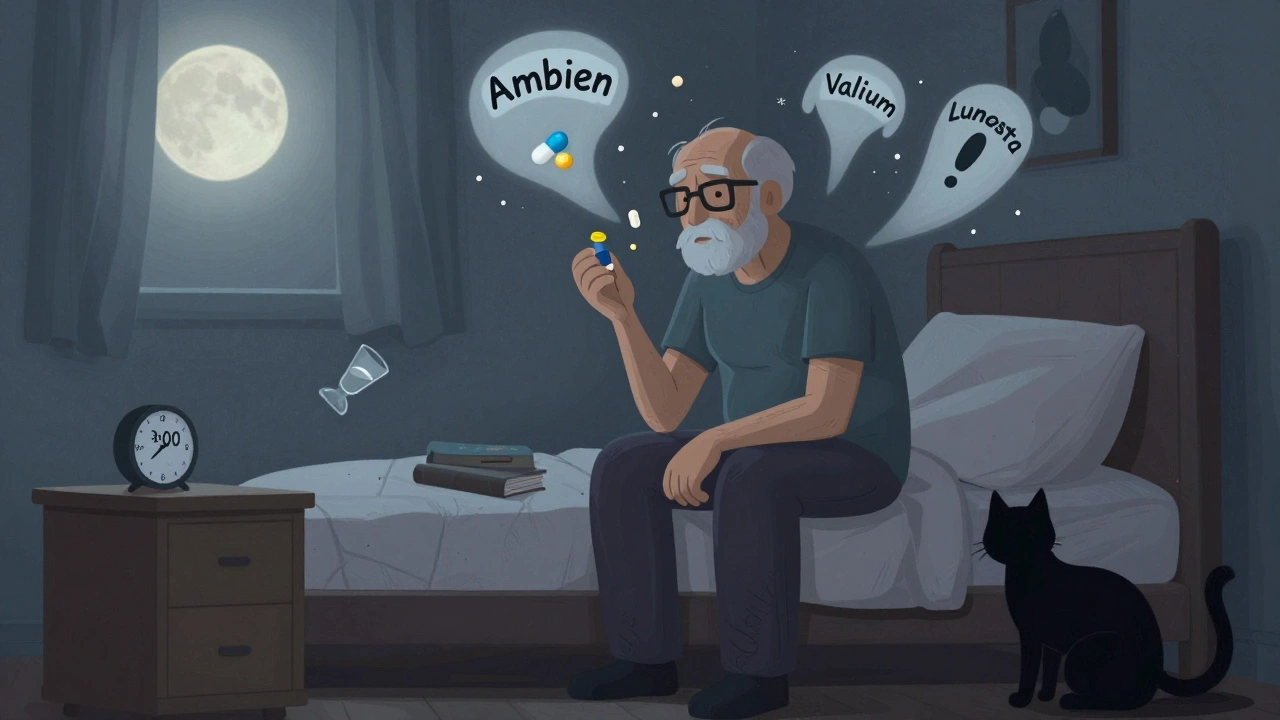
Sleep medications for seniors carry serious risks - falls, dementia, confusion. Safer alternatives like CBT-I and low-dose doxepin exist. Learn what drugs to avoid, how to stop them safely, and what actually works for long-term sleep without pills.
Health and Wellness