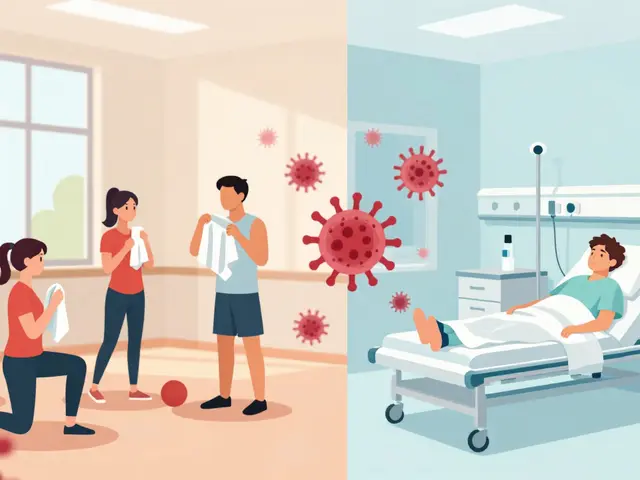
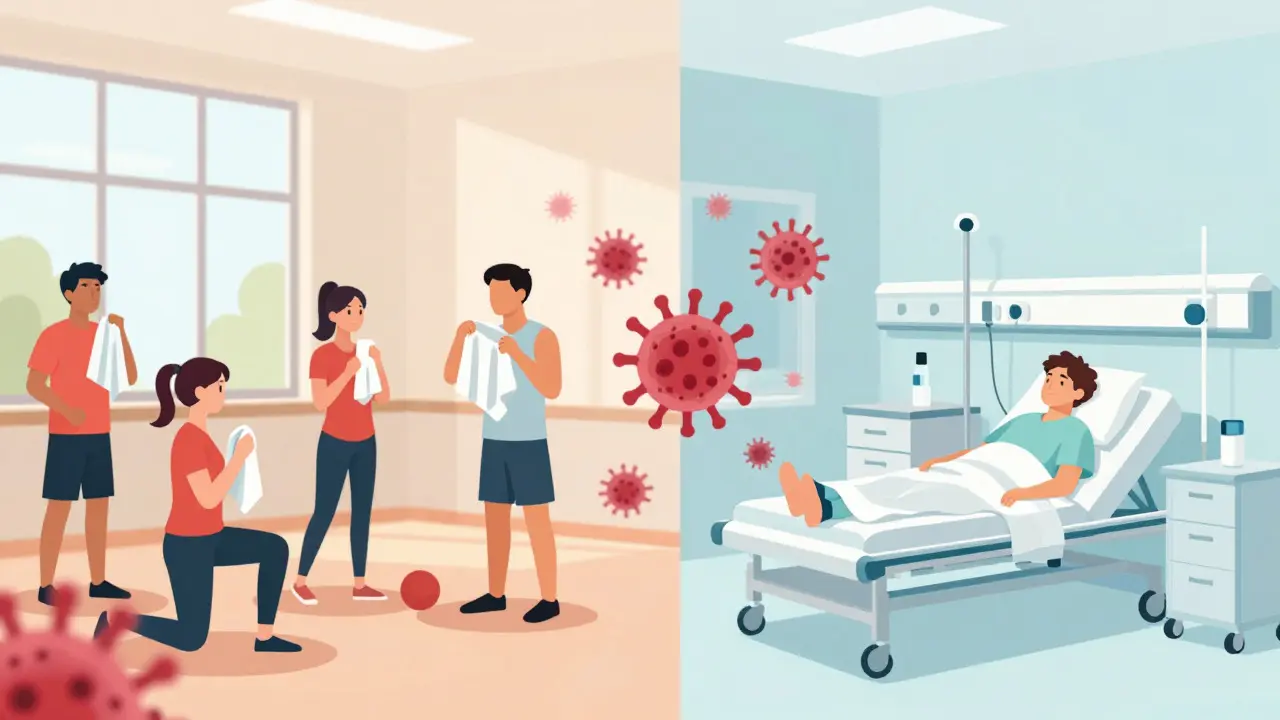
It starts as a small red bump on your arm or leg. You might mistake it for a spider bite or an ingrown hair. But if that bump turns into a painful, pus-filled abscess that refuses to heal, you might be dealing with something far more stubborn than a common skin irritation. This is often the first sign of Methicillin-Resistant Staphylococcus aureus, commonly known as MRSA. It is a type of bacteria resistant to many common antibiotics, including methicillin, oxacillin, and penicillin. For decades, doctors considered MRSA a hospital-only problem. Today, that line has blurred significantly. Understanding whether you are facing community-acquired or hospital-associated strains is critical because the treatment paths differ drastically.
The Two Faces of MRSA
To understand how MRSA spreads and how to treat it, we have to look at its two main identities: Community-Associated MRSA (CA-MRSA) and Hospital-Associated MRSA (HA-MRSA). These are not just different locations; they are genetically distinct strains with different behaviors.
CA-MRSA typically affects healthy people who have not recently been in a healthcare setting. According to the CDC, this includes individuals without recent hospitalization, surgery, dialysis, or nursing home residence. The most common strain in the United States is USA300, which accounts for roughly 70% of CA-MRSA infections. This strain is notorious for carrying the Panton-Valentine leukocidin (PVL) toxin. PVL is a virulence factor that destroys white blood cells, leading to severe skin infections and, in rare cases, necrotizing pneumonia. Because CA-MRSA evolved outside of heavy antibiotic pressure, it is often susceptible to fewer drugs but remains sensitive to several oral antibiotics like clindamycin and trimethoprim-sulfamethoxazole.
In contrast, HA-MRSA emerged in healthcare settings after the introduction of methicillin in 1959. These strains usually carry larger genetic elements called SCCmec types I-III, which grant them resistance to a wide array of antibiotics, including erythromycin, clindamycin, and fluoroquinolones. HA-MRSA tends to cause deeper, more invasive infections such as bloodstream infections, surgical site infections, and pneumonia, particularly in patients with weakened immune systems or indwelling medical devices like catheters.
| Feature | CA-MRSA | HA-MRSA |
|---|---|---|
| Patient Profile | Healthy, no recent healthcare exposure | Hospitalized, immunocompromised, post-surgery |
| Primary Strain | USA300 | ST239, ST59 |
| Genetic Marker | SCCmec IV/V (smaller) | SCCmec I-III (larger) |
| Key Toxin | PVL (Panton-Valentine leukocidin) | Less common |
| Antibiotic Susceptibility | Sensitive to clindamycin (96%), TMP-SMX (92%) | High resistance to multiple classes |
| Common Infection Type | Skin and soft tissue abscesses | Bloodstream, pneumonia, surgical sites |
How MRSA Spreads: The Blurring Lines
You might assume that staying away from hospitals keeps you safe from MRSA, but the reality is more complex. The distinction between community and hospital transmission is fading. A study published in PLOS Pathogens by Temime et al. (2013) highlighted that while HA-MRSA thrives in hospitals due to high antibiotic use, CA-MRSA is better adapted to the community where antibiotic pressure is lower. However, the average hospital stay is only 4-5 days, while MRSA can colonize a person’s nose or skin for hundreds of days. This mismatch creates a bridge for transmission.
Consider the data from Alberta, Canada, where researchers found that 27.6% of hospital-onset MRSA infections were actually caused by CA-MRSA strains brought in from the community. Conversely, 27.5% of community-associated infections were caused by HA-MRSA strains escaping from healthcare facilities. This bidirectional flow means that traditional control measures focusing solely on hospital hygiene are no longer sufficient.
Transmission hotspots in the community include crowded living environments. Military barracks show a 12.3 times higher risk, homeless shelters an 8.7 times higher risk, and prisons a staggering 14.9 times higher risk compared to the general population. Frequent skin-to-skin contact, shared personal items like towels or razors, and poor sanitation facilitate the spread. Injecting drug users also represent a significant reservoir for USA300, facilitated by needle sharing and poor injection site hygiene.
Treatment Strategies: What Works?
If you suspect an MRSA infection, the first step is always professional medical evaluation. Self-treating with leftover antibiotics can worsen resistance. However, understanding the typical treatment landscape helps you ask the right questions.
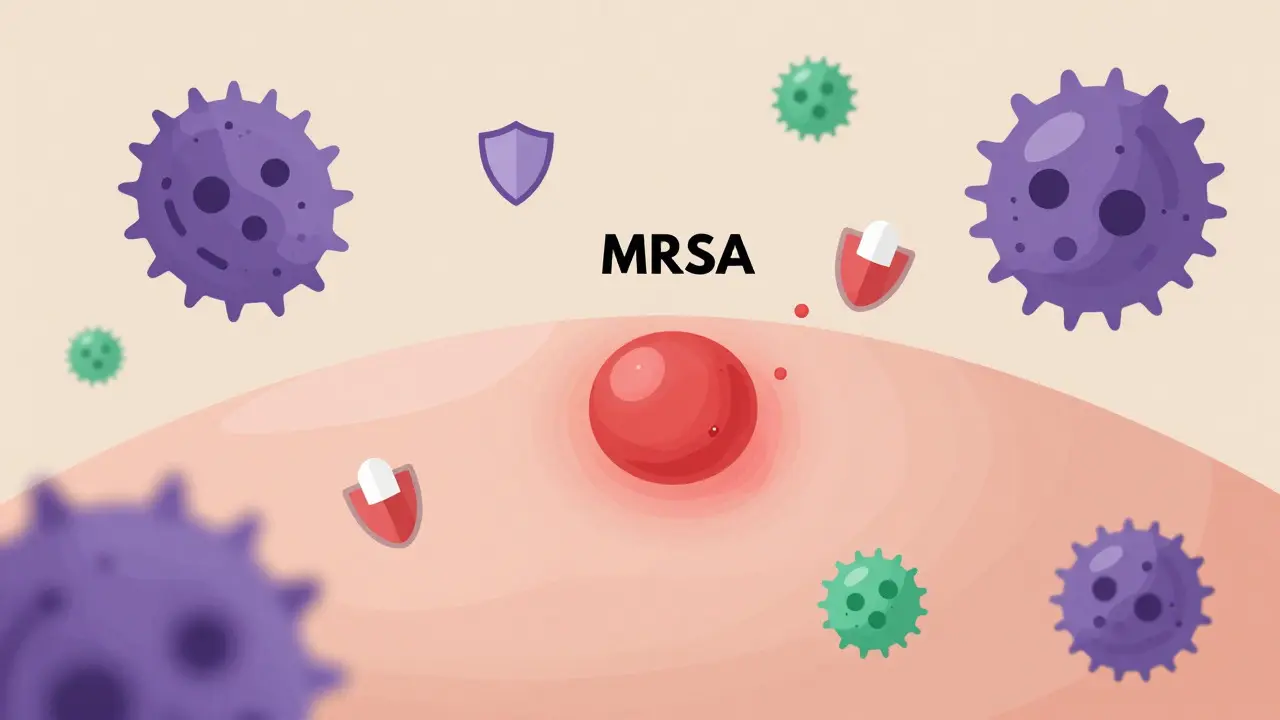
For CA-MRSA skin infections, the gold standard is often incision and drainage. If the abscess is drained properly, antibiotics may not even be necessary. When antibiotics are required, clinicians look for oral options to which the strain is likely susceptible. Based on susceptibility rates, Trimethoprim-sulfamethoxazole (TMP-SMX) (92% susceptibility), Clindamycin (96% susceptibility in CA-MRSA), and Tetracyclines (such as doxycycline, 89% susceptibility) are common first-line choices. It is crucial to note that clindamycin resistance is rising in some areas, so a D-test should be performed to check for inducible resistance before prescribing.
HA-MRSA infections are trickier. Due to multi-drug resistance, oral options are limited. Severe infections often require intravenous antibiotics like Vancomycin, which has long been the backbone of MRSA treatment. However, vancomycin requires careful monitoring of kidney function and drug levels. Newer agents like Daptomycin and Linezolid offer alternatives, especially when vancomycin fails or causes side effects. Linezolid is unique because it has excellent bioavailability orally, making it useful for step-down therapy, but it carries risks of bone marrow suppression with long-term use.
A growing concern is the emergence of hybrid strains. These combine the high virulence of CA-MRSA (like PVL production) with the broad antibiotic resistance of HA-MRSA. When these hybrids appear, empirical treatment becomes a guessing game, emphasizing the need for rapid diagnostic testing to identify the specific strain and its resistance profile within hours, not days.
Prevention: Breaking the Chain
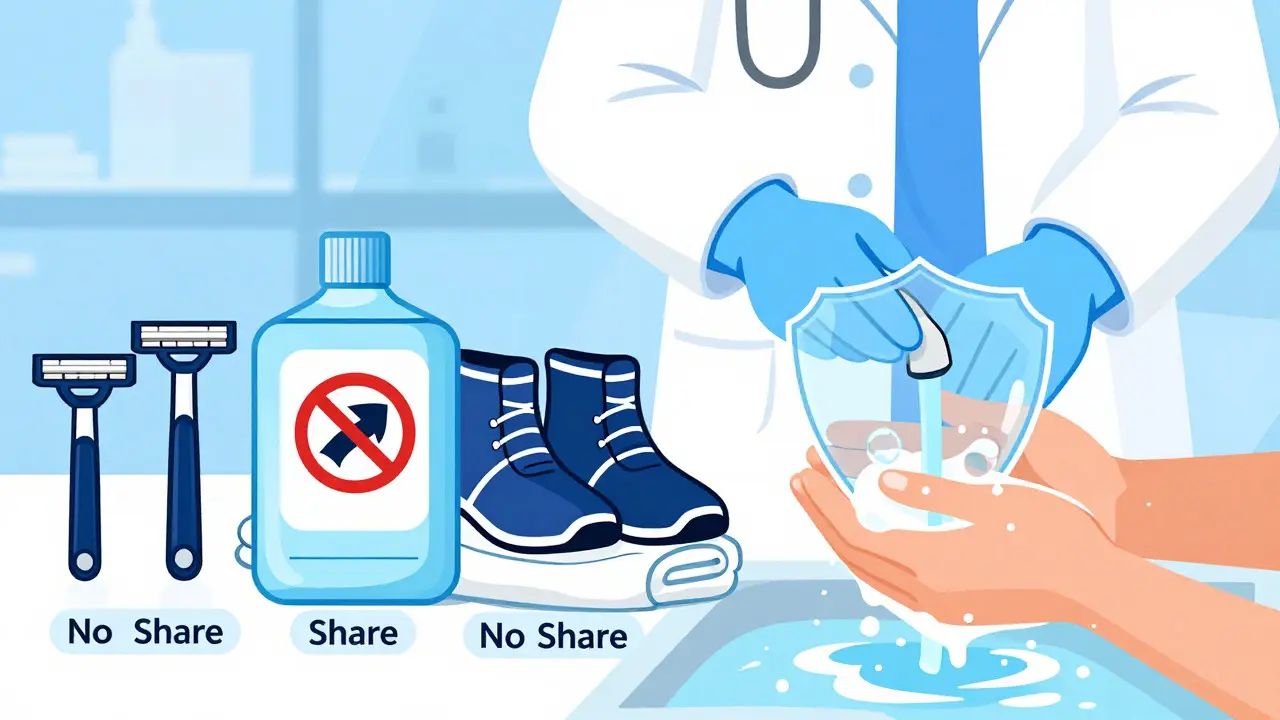
Since MRSA colonization can last for months, prevention focuses on hygiene and environmental control. Here is what you can do to protect yourself and others:
- Hand Hygiene: Wash hands frequently with soap and water or use an alcohol-based hand sanitizer. This is the single most effective way to prevent spread.
- Wound Care: Keep cuts and scrapes clean and covered with a sterile bandage until healed. Change bandages daily.
- Personal Items: Do not share personal items that touch the skin, such as towels, washcloths, razors, clothing, or athletic equipment.
- Environmental Cleaning: Disinfect surfaces that are frequently touched, especially in gyms, locker rooms, and bathrooms. Use EPA-approved disinfectants labeled as effective against MRSA.
- Laundry: Wash clothes, bedding, and towels used by infected persons separately, using the hottest water appropriate for the fabric and drying completely.
In healthcare settings, contact precautions are essential. This includes wearing gloves and gowns when entering the room of a patient known to be colonized or infected with MRSA. Decolonization protocols, involving nasal mupirocin ointment and chlorhexidine body washes, are sometimes used for patients undergoing surgery or those repeatedly acquiring MRSA, though their long-term effectiveness varies.
The Future of MRSA Control
The epidemiological landscape of MRSA is shifting. Experts argue that we need integrated surveillance approaches that monitor transmission across the entire healthcare-community continuum. The CDC’s definition of CA-MRSA is increasingly seen as an inverse criterion-describing community transmission of a pathogen that was once exclusive to hospitals. As community strains become more prevalent in hospitals, infection control protocols must evolve to address bidirectional risks.
Mathematical models suggest that without intervention, highly transmissible community strains could eventually dominate hospital settings. This underscores the importance of antimicrobial stewardship programs in both community clinics and hospitals to reduce unnecessary antibiotic use, thereby lowering the selective pressure that drives resistance. By treating MRSA not as two separate problems but as one continuous public health challenge, we can develop more effective strategies to contain its spread.
How long does it take for MRSA to go away?
The duration depends on the infection type and treatment. Simple skin abscesses treated with incision and drainage may heal within 7-10 days. More severe infections requiring antibiotics can take 7-14 days for oral medications or up to several weeks for intravenous therapy. Colonization, however, can persist for months or even years without causing symptoms.
Can you get MRSA from a toilet seat?
It is unlikely. MRSA spreads primarily through direct skin-to-skin contact or contact with contaminated objects like towels, razors, or athletic gear. While the bacteria can survive on surfaces, transmission from a toilet seat is rare unless there is an open wound directly touching the contaminated surface.
What are the early signs of MRSA?
Early signs often resemble a spider bite or boil. Look for a red, swollen, painful lump under the skin that may contain pus or fluid. Other symptoms include fever, chills, and fatigue, especially if the infection spreads deeper into the body.
Is MRSA contagious?
Yes, MRSA is contagious. It spreads through direct contact with an infected person or by touching items that have come into contact with the infection. People who are colonized (carrying the bacteria without symptoms) can also spread it to others.
Can pets transmit MRSA to humans?
While possible, zoonotic transmission (animal to human) of MRSA is less common than human-to-human transmission. Pets can become colonized from their owners. Good hygiene practices, such as washing hands after handling pets and keeping pet wounds covered, help minimize risk.
Why is MRSA resistant to methicillin?
MRSA possesses a gene called mecA, located on the SCCmec genetic element. This gene codes for an altered penicillin-binding protein (PBP2a) that has a low affinity for beta-lactam antibiotics like methicillin, allowing the bacteria to continue building its cell wall despite the presence of the drug.
What is the difference between staph and MRSA?
Staph refers to Staphylococcus aureus, a common bacterium. Most staph infections are easily treated with standard antibiotics. MRSA is a specific strain of staph that has developed resistance to methicillin and other related antibiotics, making it harder to treat.