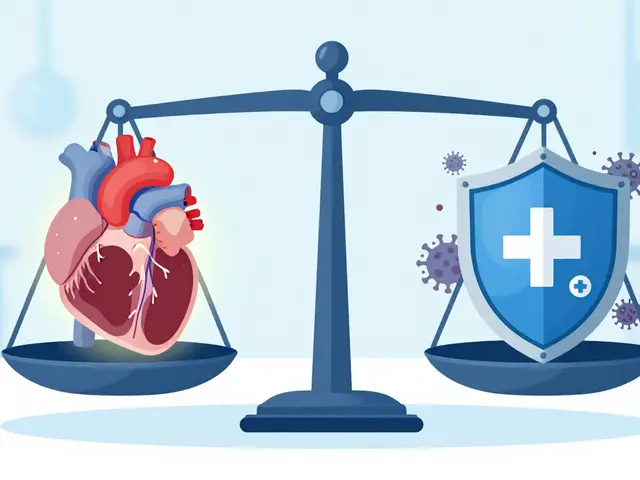

Getting a new organ is a miracle. But keeping it working requires a daily balancing act that can feel like walking a tightrope without a net. You have to suppress your immune system enough to stop it from attacking the new organ, but not so much that you get wiped out by an infection or cancer. This is the core challenge of immunosuppressants, also known as anti-rejection medications. These drugs are the lifeline for every transplant recipient, yet they carry significant risks if not managed with precision.
The goal isn't just to survive the surgery; it's to live a long, healthy life with your new kidney, liver, heart, or lung. To do that, you need to understand exactly how these powerful drugs work, what side effects to watch for, and why taking them at the exact same time every day is non-negotiable. Let’s break down the essentials of transplant medication safety so you can take control of your health.
How Immunosuppressants Protect Your New Organ
Your immune system is designed to identify and destroy anything foreign. When you receive a transplanted organ, your body sees it as an invader-like a virus or bacteria-and launches an attack. This is called rejection. Without medication, this happens in almost everyone. In the pre-cyclosporine era (before the 1980s), acute rejection rates were around 80%. Today, thanks to modern protocols, that number has dropped to less than 15%.
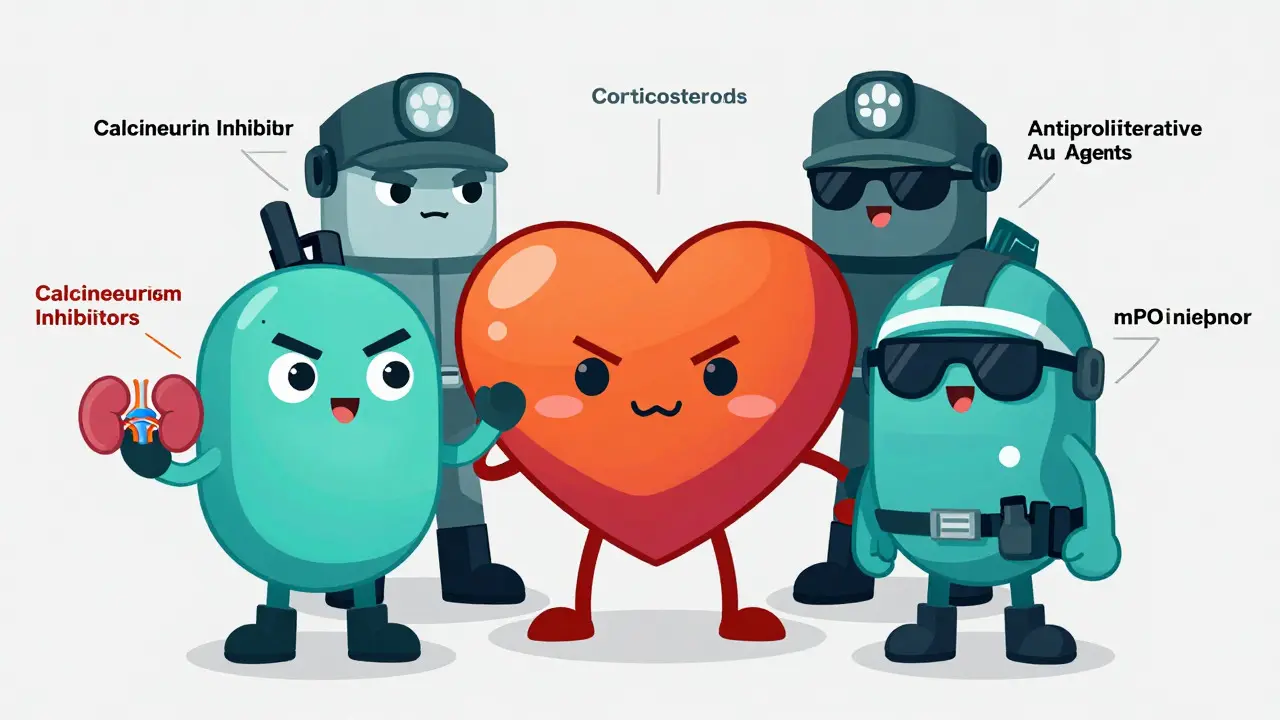
To achieve this, doctors use combination therapy. No single drug does it all safely. Instead, they stack different classes of drugs that work through different mechanisms. Think of it like a security team where each guard watches a different door. The typical regimen includes:
- Induction agents: Powerful biologics given during surgery and immediately after to prevent early rejection.
- Maintenance drugs: Daily pills taken for years (often lifelong) to keep the immune system in check.
The standard maintenance mix usually involves a calcineurin inhibitor, an antiproliferative agent, and sometimes corticosteroids or mTOR inhibitors. The aim is to hit the "sweet spot" of immunosuppression: low enough to avoid toxicity, high enough to prevent rejection.
Major Drug Classes and Their Specific Risks
Not all immunosuppressants are created equal. Each class has a distinct safety profile and set of side effects. Knowing which class you’re on helps you anticipate and manage problems before they become emergencies.
| Drug Class | Common Examples | Primary Mechanism | Key Safety Risks |
|---|---|---|---|
| Calcineurin Inhibitors (CNIs) | Tacrolimus, Cyclosporine | Inhibit T-cell activation | Kidney damage (30-50%), high blood pressure, tremors, increased cancer risk (2-4x normal) |
| Antiproliferative Agents | Mycophenolate Mofetil (MMF), Azathioprine | Inhibit cell division | Gastrointestinal issues (diarrhea, nausea) in 30-50%, low white blood cell count |
| Corticosteroids | Prednisone | Broad immune suppression | Diabetes (10-40%), osteoporosis (30-50%), weight gain, mood changes |
| mTOR Inhibitors | Sirolimus, Everolimus | Block cell growth signals | Delayed wound healing (20-30%), high cholesterol, pneumonitis (lung inflammation) |
Calcineurin inhibitors (CNIs) like tacrolimus and cyclosporine are the backbone of most regimens. However, they are tough on the kidneys. About 30-50% of patients experience some degree of nephrotoxicity (kidney damage). They also cause electrolyte imbalances, such as low magnesium and high potassium, which can affect heart rhythm. If you’re on a CNI, regular blood tests are critical to monitor kidney function and drug levels.
Corticosteroids like prednisone are effective but come with a heavy toll over time. Long-term use significantly raises the risk of diabetes and bone thinning (osteoporosis). Many centers now try to taper steroids off within the first year to reduce these chronic complications, relying more on other drugs to maintain protection.
mTOR inhibitors (sirolimus and everolimus) are often used when kidney sparing is needed because they are less toxic to the kidneys than CNIs. However, they carry black box warnings. Everolimus, for instance, increases the risk of kidney thrombosis (blood clots) in the first 30 days. Both drugs can cause delayed wound healing, so surgeons are cautious about using them immediately after complex operations. Sirolimus is generally avoided in liver and lung transplants due to higher risks of graft loss.
The Silent Threat: Infection and Cancer
When you lower your immune defenses, two major threats emerge: opportunistic infections and malignancies. These are not rare side effects; they are expected consequences of the therapy.
Infections are the most immediate concern. Because your body can’t fight off common bugs, you’re vulnerable to viruses, fungi, and bacteria that wouldn’t bother a healthy person. Cytomegalovirus (CMV) is a prime example. Without prophylaxis (preventive antibiotics/antivirals), CMV affects 30-70% of recipients who receive organs from donors carrying the virus. For this reason, doctors prescribe antimicrobial prophylaxis for the first 3 to 6 months post-transplant. During this window, simple habits matter immensely: wash your hands frequently, wear masks in crowded places, and avoid sick contacts.
Cancer risk is another serious long-term issue. Immunosuppressants increase the risk of developing certain cancers by 2 to 4 times compared to the general population. Skin cancers (squamous cell and basal cell carcinoma) are the most common, followed by lymphomas and Kaposi sarcoma. Regular skin checks by a dermatologist and strict sun protection (sunscreen, hats, avoiding peak sun hours) are essential parts of your safety routine.
Why Adherence Is Life or Death
You might think missing one pill occasionally won’t hurt. The data says otherwise. Studies show that nonadherence is rampant: up to 55% of renal transplant patients admit to being nonadherent at some point, with 45% delaying doses and 25% skipping them entirely.
Why does this happen? Complex dosing schedules, cost, and forgetfulness are the top barriers. But the consequence is severe. Missing doses leads to subtherapeutic drug levels, which triggers acute rejection. In heart transplant patients, nonadherence correlates with a 3.5-fold increased risk of transplant coronary artery disease and a 2.8-fold higher risk of late acute rejection. Rejection can be silent until it’s too late, causing irreversible damage to the organ.
To stay safe:
- Set alarms: Use phone reminders or smart pillboxes.
- Simplify: Ask your doctor if once-daily formulations are available for your drugs. Simplified regimens improve adherence by 15-25%.
- Never adjust on your own: If you feel side effects, call your team. Don’t stop the drug abruptly, as this can cause rapid rejection.
Monitoring and Managing Drug Levels
Immunosuppressants have a narrow therapeutic window. Too little, and you reject the organ. Too much, and you poison your body. This is why frequent blood draws are required, especially in the first year.
For drugs like tacrolimus and cyclosporine, doctors measure trough levels (the lowest concentration in your blood before the next dose). These levels can fluctuate based on food, other medications, and even your metabolism. For example, grapefruit juice can interfere with the enzymes that break down tacrolimus, leading to dangerously high drug levels. Always check with your pharmacist before starting any new supplement or over-the-counter medication.
Over time, as the risk of rejection decreases, doctors may empirically lower doses. Most patients transition from 3-4 drugs in the first year to 2-3 drugs long-term. This reduction helps mitigate cumulative side effects like kidney damage and diabetes.

Special Considerations by Organ Type
Safety priorities shift depending on which organ you received. Heart and lung grafts are highly sensitive and can reject rapidly, within days or weeks. Kidney rejection tends to occur over weeks to months, while liver rejection can take months to years. This timeline influences how aggressively doctors manage your initial immunosuppression.
If your organ fails, the conversation changes. Discontinuing immunosuppression becomes reasonable because the goal of preventing rejection no longer exists. However, stopping abruptly can cause withdrawal symptoms or rebound inflammation. For example, sudden cessation in kidney recipients can lead to oliguria (low urine output), while in liver recipients, it might cause abdominal pain and swelling. Always coordinate discontinuation with your transplant team.
Living Safely with Immunosuppressants
Life after transplant doesn’t mean living in a bubble, but it does require vigilance. Here are practical steps to minimize risks:
- Vaccinations: Stay up to date on flu, pneumonia, and shingles vaccines. Avoid live vaccines unless cleared by your doctor.
- Diet: Maintain a balanced diet to manage steroid-induced weight gain and blood sugar spikes. Limit raw foods (undercooked meat, sushi) to avoid bacterial infections.
- Hygiene: Practice rigorous hand hygiene. Wear gloves when gardening to avoid fungal spores.
- Regular Screenings: Annual colonoscopies, mammograms, and skin checks are crucial due to increased cancer risks.
Remember, the benefits of these drugs far outweigh the risks when managed correctly. Quality-adjusted life years (QALYs) for transplant recipients are significantly higher than for those on dialysis, proving that this medical journey is worth the effort. By understanding your medications, adhering strictly to your schedule, and communicating openly with your care team, you can protect your new organ and enjoy a full, active life.
Can I eat grapefruit if I take tacrolimus?
Generally, no. Grapefruit and its juice contain compounds that inhibit the enzyme CYP3A4, which breaks down tacrolimus. This can cause drug levels in your blood to spike to toxic levels, increasing the risk of kidney damage and other side effects. Always consult your transplant pharmacist before consuming grapefruit products.
How long do I need to take immunosuppressants?
In most cases, immunosuppressants are taken for the rest of your life. While some patients may taper off corticosteroids within the first year, maintenance drugs like tacrolimus or mycophenolate are usually continued indefinitely to prevent chronic rejection. Stopping them without medical supervision can lead to organ failure.
What are the signs of acute rejection?
Signs vary by organ. For kidneys, look for decreased urine output, swelling, and weight gain. For hearts, watch for shortness of breath, fatigue, and irregular heartbeat. Liver rejection may present with jaundice (yellowing skin), dark urine, and abdominal pain. Lung rejection often causes fever, cough, and reduced exercise tolerance. Report any sudden changes to your transplant team immediately.
Do immunosuppressants cause infertility?
Some immunosuppressants, particularly azathioprine and sirolimus, can affect fertility in both men and women. However, many patients conceive successfully after transplantation. It is recommended to wait at least 6-12 months post-transplant before trying to conceive and to discuss family planning with your doctor to adjust medications to safer options if necessary.
Can I travel while on immunosuppressants?
Yes, but with precautions. Ensure you have enough medication for the entire trip plus extra in case of delays. Carry a letter from your transplant center explaining your condition and medications. Research healthcare facilities at your destination. Avoid regions with high risks of specific infections (like malaria or hepatitis) unless properly vaccinated and prophylaxed.