
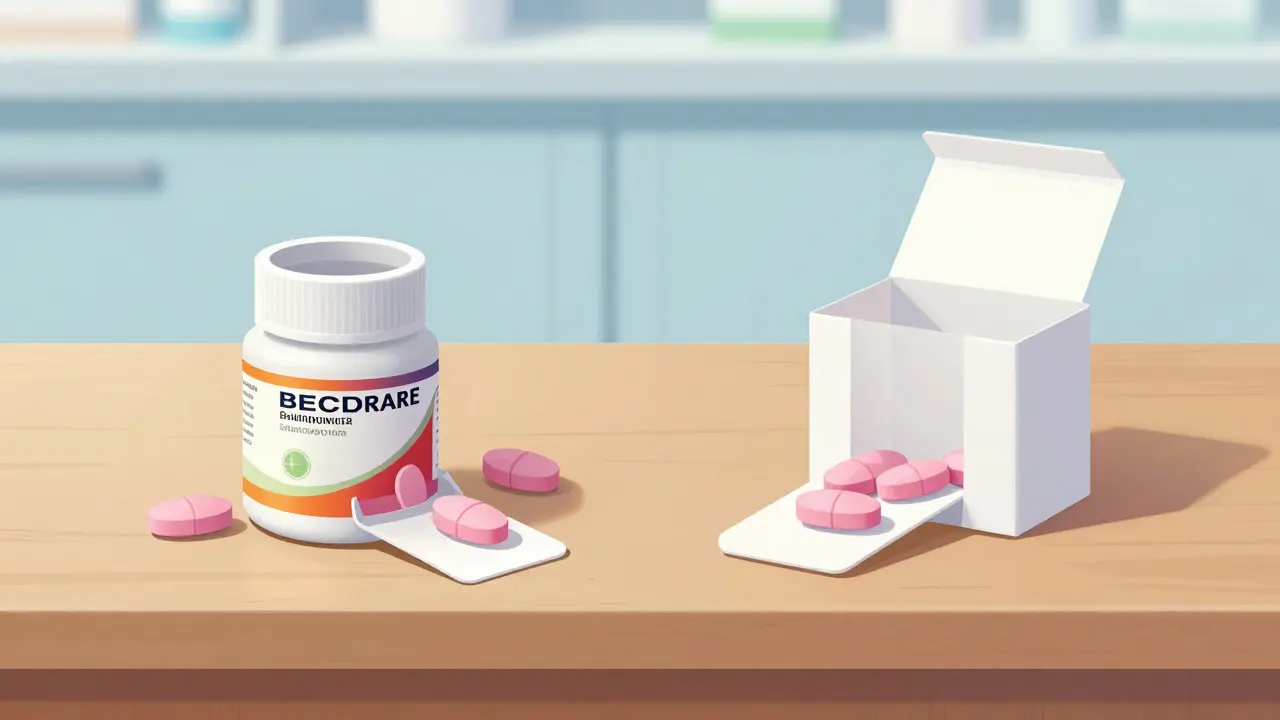
You walk into your local pharmacy to pick up your regular prescription refill. You expect the familiar blue box you've used for years, but instead, the pharmacist hands you a white, unbranded package. The doctor ordered the "brand," but what you received looks suspiciously plain. Your heart skips a beat. Is this the real thing? Does it work the same way? Or worse, is this a dangerous counterfeit?
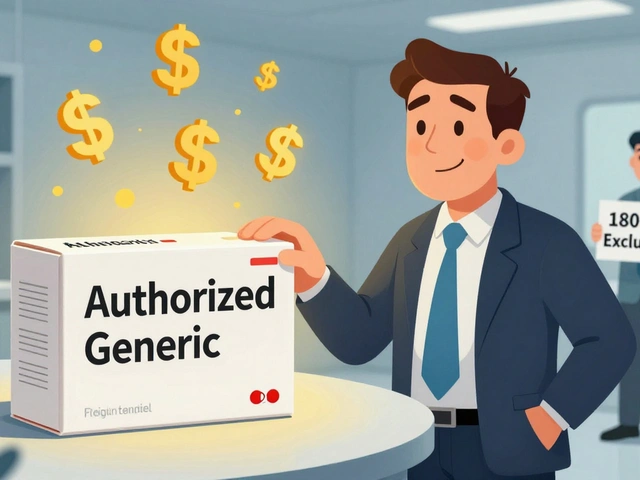
This scenario is more common than most people realize. Many patients assume that anything not in the original brand packaging is a lower-quality version. There is a middle ground, though, often overlooked in the conversation between doctors and pharmacists. It's called an authorized generic. These medications occupy a strange space in the market-they look different from the brand but contain the exact same formula. They offer a practical solution for patients worried about safety who also need to manage rising healthcare costs.
Quick Summary / Key Takeaways
- Authorized generics are produced by the original brand manufacturer but sold without the trademarked branding at a lower price point.
- Unlike traditional generics, authorized generics share both active and inactive ingredients with the brand-name product, ensuring identical performance.
- Patients on narrow therapeutic index drugs, like levothyroxine, may benefit significantly from authorized generics due to formulation consistency.
- Insurance plans typically process authorized generics at the lower generic copay tier, offering substantial savings.
- Avoiding confusion requires checking the National Drug Code (NDC) or asking your pharmacist directly for clarification.
What Exactly Is an Authorized Generic?
To understand why these products exist, we have to look at how drug manufacturing works. Most people know that when a brand-name drug loses patent protection, other companies can make copies. Those are traditional generics. But sometimes, the original company wants to compete with those generic entrants themselves. That is where authorized generics come in.
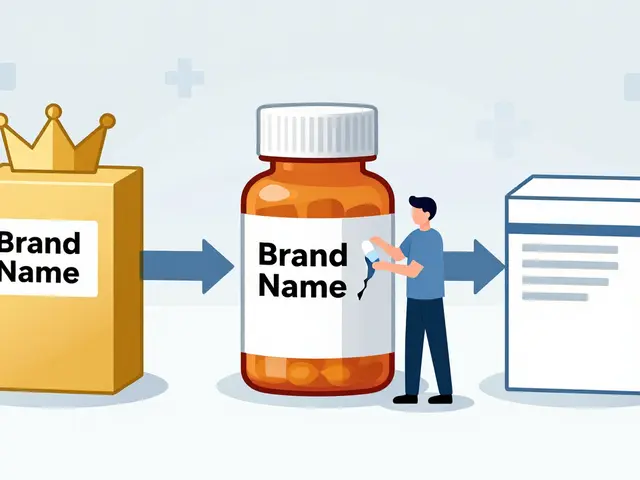
An authorized generic is essentially the brand-name drug repackaged under a different label. The Food and Drug Administration, commonly known as the FDA, defines this strictly. They are marketed, sold, or distributed with labeling that differs from the listed drug, yet they rely on the brand manufacturer's New Drug Application (NDA). Because the brand manufacturer creates the product, every pill contains the exact same ingredients-active and inactive-as the branded version.
Think of it like buying a high-end designer bag. Sometimes the designer sells the exact same bag in a simpler box without their logo on the outside to appeal to budget-conscious shoppers. The leather, stitching, and quality remain identical, but the presentation changes to allow for a lower price. In the pharmaceutical world, this happens because the brand company still owns the manufacturing rights. They can bypass the lengthy application process required for other companies to prove their copy is safe.
This distinction matters because of how regulations evolved. The Hatch-Waxman Act, formally known as the Drug Price Competition and Patent Term Restoration Act of 1984, set the stage for this dynamic. It granted generic manufacturers 180 days of marketing exclusivity if they challenged a brand patent. However, brand companies found a loophole: they could release their own "generic" version during that window to keep prices competitive. While some critics argue this undermines the exclusivity period intended for independent generic firms, for the consumer at the counter, it often means a verified safe medication is available at a better price immediately.
Safety Concerns: Ingredients and Formulation
The biggest fear patients have when switching from a brand-name medication is whether the new pill will affect their body differently. Traditional generics must demonstrate "bioequivalence," meaning they deliver the same amount of medicine into your bloodstream over time. They don't always have to use the exact same fillers or binders-the inactive ingredients holding the pill together. Authorized generics, however, do not go through this waiver process because they are the original product.
For most drugs, small differences in inactive ingredients rarely matter. But for patients taking medications with a narrow therapeutic index, consistency is critical. A narrow therapeutic index refers to drugs where a small difference in dose or absorption can lead to serious toxicity or loss of efficacy. Medications like warfarin, a blood thinner, or levothyroxine for thyroid issues fall into this category.
Research indicates that roughly 32% of patients report adverse reactions when switching between brand and traditional generic versions due to these filler differences. An authorized generic eliminates this risk because the manufacturing line is the same. As Dr. Aaron Kesselheim from Harvard Medical School noted, authorized generics offer the most reliable alternative for patients who experience problems with traditional formulations. This makes them particularly valuable for complex health conditions where stability is non-negotiable.
Financial Impact and Insurance Coverage
We cannot talk about switching medications without talking about money. Prescription costs have become a major burden for households globally. In the United States, the Federal Trade Commission has documented that authorized generics drive down prices significantly. When they enter the market, average wholesale prices drop compared to scenarios where they are absent.
Typically, authorized generics cost about 15% to 20% less than their brand-name counterparts. However, the real saving often comes from how insurance plans categorize them. Most insurance formularies place drugs into tiers. Brand-name drugs usually sit on Tier 3, requiring a high copayment. Traditional generics sit on Tier 1, costing almost nothing. Authorized generics are usually classified as generics by insurers.
Data from Medicare Part D shows that 92% of the time, these drugs are covered at the generic copay level. This is vital information for seniors. Even if the brand name appears on the paper prescription, if the pharmacy dispenses the authorized generic, your out-of-pocket bill reflects the lower rate. Commercial insurers follow suit, though coverage varies slightly depending on the specific plan details. Always verify with your benefits administrator to see how your specific policy handles generic substitution codes.

Identifying Authorized Generics at the Pharmacy
One of the most frustrating aspects of this system is the lack of transparency at the counter. Studies show nearly 30% of patients didn't realize they received an authorized generic until after they bought it. They opened the bottle, saw the unfamiliar packaging, and assumed a mix-up had occurred. This anxiety causes unnecessary calls to doctors and waste.
The reason lies in coding. Pharmacists track inventory using the National Drug Code (NDC). Every distinct product gets a unique number. For an authorized generic, the NDC differs from the branded version but relates back to the same New Drug Application. Pharmacies have systems to cross-reference these. However, training on how to identify and explain this to patients isn't consistent everywhere.
If you have concerns, ask to see the packaging or ask specifically, "Is this the authorized version of the brand?" Legitimate pharmacies can tell you instantly. Furthermore, regulatory bodies are pushing for better transparency. In 2023, the FDA began initiatives to improve listing practices, potentially creating dedicated sections for these products in public records. Until that becomes universal, knowing the specific code helps you advocate for your care needs.
Navigating Market Dynamics and Availability
Not every brand-name drug has an authorized generic version available. Statistics suggest only about 15% to 20% of brand-name drugs currently offer this option. The decision to launch one rests solely with the brand manufacturer. They weigh factors like profit margins and competition strategy. Sometimes they wait until after patent expiry; other times, they launch earlier to disrupt generic competitors.
Market analysis reveals that availability grows slowly. By 2022, authorized generics represented a growing slice of total prescriptions, moving from roughly 5% to nearly 9%. As more consumers demand affordability without sacrificing quality, this segment continues to expand. The Biden administration and similar regulatory pushes emphasize competition, suggesting more of these options will appear. For now, it remains a lottery for specific medications, but checking with your provider can uncover opportunities you might miss.
Comparison: Making the Right Choice
To visualize the differences clearly, it helps to break down the three main categories side by side. Understanding these distinctions empowers you to discuss options confidently with your healthcare team.
| Feature | Brand-Name Drug | Traditional Generic | Authorized Generic |
|---|---|---|---|
| Manufacturer | Innovator Company | Different Company | Innovator Company |
| Active Ingredients | Standard Formula | Equivalent (Bioequivalent) | Identical |
| Inactive Ingredients | Proprietary Formula | May Vary | Identical |
| Approval Pathway | New Drug Application (NDA) | Abbreviated New Drug App (ANDA) | Same NDA as Brand |
| Price Point | Highest | Lowest | Mid-Range (Savings vs Brand) |
| Ideal For | Initial Approval | General Population | Sensitive Patients |
Frequently Asked Questions
Is an authorized generic safer than a traditional generic?
Yes, in terms of ingredient consistency. Authorized generics use the exact same inactive ingredients as the brand, whereas traditional generics may differ slightly in fillers or binders. Both meet safety standards, but authorized generics eliminate variability for sensitive patients.
Can my doctor prevent me from getting an authorized generic?
A prescriber can write "dispense as written," which usually forces the brand-name version. If they want flexibility, authorized generics can be substituted by the pharmacist without violating that instruction in many jurisdictions, provided no substitution restriction exists.
Will my insurance cover authorized generics at a lower rate?
In the vast majority of cases, yes. Most insurance plans treat them as generic medications, meaning your copayment matches the lowest tier rather than the higher brand-name tier.
How can I tell if I received an authorized generic?
Look at the label for a generic-looking name that matches the active ingredient of the brand, or ask the pharmacist to check the National Drug Code against the brand's listing. The packaging usually lacks the prominent brand logo.
Are there risks associated with switching to authorized generics?
There is virtually zero medical risk regarding efficacy since the drug substance is identical. The only risk is confusion or misunderstanding regarding the packaging, which can be clarified by discussing it with your pharmacy staff.
Making sense of prescription choices doesn't have to be complicated. Whether you are managing chronic conditions, paying for family care, or simply trying to optimize your health regimen, knowing about authorized generics adds a powerful tool to your toolkit. You gain access to proven formulations without the premium price tag, bridging the gap between strict brand loyalty and generic uncertainty. It's a win-win scenario that deserves more attention from both patients and providers.
Comments
This article really opened my eyes up about what authorized generics are exactly because I always thought they were sketchy before reading it. It used to make me nervous when I walked into the pharmacy and saw that plain white bottle instead of the blue one I recognized. I would end up calling my doctor just to double check if something was wrong with the shipment or the medication itself. We need to talk more about how these options save families so much money during these hard economic times too. My sister switched to one last year and she said the results were absolutely identical to the brand name version she took before. The insurance company also processed her claim much faster which helped keep her monthly budget balanced and under control for once. Knowing that the same ingredients are inside makes me feel a lot safer when I am picking up my prescriptions for chronic conditions now. It is frustrating that pharmacists do not always explain this difference clearly to every single patient walking through their doors. We should probably demand better transparency labels on the bottles themselves so nobody feels confused about what they are paying for. There is definitely a learning curve involved but understanding the National Drug Code helps tremendously when verifying the product details yourself. I wish my local pharmacist had printed out this exact guide for us to read while waiting in line yesterday. Health care accessibility remains such a huge topic right now and this is a small step in the right direction. People spend way too much stress worrying about pills that are chemically identical to the expensive ones. It really boils down to education gaps between the medical professionals and the everyday consumer navigating this mess. Hopefully we see more of these authorized versions become available for essential medications soon enough. Everyone deserves access to safe medicine without having to drain their savings account completely dry.
That point about insurance tiers is spot on because most folks don't realize how formularies categorize these items. I work in pharmacy tech support and I see people fight for brand drugs when they qualify for generic coverage automatically. The copay difference alone is worth asking about specifically rather than assuming the price is fixed forever. You nailed it when you said consistency matters for thyroid meds since absorption rates vary wildly otherwise. Keep pushing for clarity at the counter because pharmacists get busy and forget to update patients on the swap. It saves everybody a headache later when bloodwork comes back normal instead of showing toxicity from a switch.
Oh how delightful that corporations finally discovered the genius of selling the exact same thing under two different labels for profit maximization strategies. This is the epitome of capitalist ingenuity disguised as public health benevolence for the masses suffering under financial duress. Truly a noble gesture to allow consumers to pay slightly less for their life-saving compounds while maintaining margin integrity. The sheer audacity of rebranding packaging as a feature rather than a cost cutting loophole is simply breathtaking in its magnitude. We celebrate this innovation while ignoring the structural rot that necessitates such convoluted market manipulations in the first place.
You sound so smug about how you understand the pharmaceutical industry mechanics despite never working a shift behind the counter. Your cynicism drips with self-righteous superiority that does nothing but cloud the actual reality of patient experiences. Most people just want their pills to work without spending their entire paycheck on unnecessary branding premiums. Acting like you're above the system changes nothing and only serves to make you look detached from real world struggles. Save the philosophy lecture for a seminar where your opinions actually matter outside of social media bubbles.
People obsess over pill colors and shapes when the chemistry is irrelevant to most standard treatments. Stop overthinking everything and buy what works. Authorized generics are fine.
You clearly lack any personal experience with narrow therapeutic index drugs that require absolute stability in formulation for safety reasons. Not all patients are healthy enough to ignore minor variances in inactive ingredients binding agents fillers or excipients. Your dismissal of concerns regarding bioequivalence issues ignores valid medical data regarding adverse reaction rates. I appreciate your attempt at simplicity but this issue requires nuanced discussion beyond your blunt statements. Please educate yourself before telling everyone else to stop caring about their health outcomes. Ignoring the science here isn't brave it's reckless. Many patients rely on this information to stay alive not just to save a few bucks on plastic containers.
It gives me so much joy to see communities discussing these vital topics openly and sharing knowledge freely for the greater good. Financial literacy regarding prescription costs is incredibly empowering and allows families to plan their budgets much more effectively moving forward. Saving twenty percent annually adds up significantly when multiplied across multiple household members requiring daily maintenance medication regimens. We must continue spreading awareness about authorized generics because ignorance leads to unnecessary fear and confusion among vulnerable populations. Every dollar saved on medication is a dollar invested in nutrition housing or emergency funds that everyone desperately needs today. The peace of mind knowing the formula remains unchanged provides comfort that outweighs any cosmetic differences in packaging designs. Let us stand together supporting policies that encourage competition and lower prices for essential healthcare services globally. Knowledge is power and using it to reduce burdens on our wallets is the best approach we can take. I hope more doctors prescribe these options proactively instead of leaving discovery to chance encounters at checkout counters. Education campaigns focused on authorized generics could revolutionize how we view generic substitution options permanently. Thank you for posting this information as it genuinely helps so many people navigate complex systems with confidence.
Your optimism is noted but one must remain vigilant regarding the availability limitations currently present in the market. It is imperative to verify National Drug Codes personally as reliance on verbal confirmation alone proves insufficient in high stakes scenarios. The assertion that savings are guaranteed overlooks specific plan restrictions that may alter tier placement unexpectedly without prior notification. Vigilance is required whenever switching manufacturers even if the source remains technically identical due to regulatory nuances. Patients must prioritize documentation over general assurances provided by retail staff during transactions. Compliance with safety protocols ensures optimal outcomes regardless of pricing incentives offered by insurance carriers. We cannot afford negligence in this domain where health implications carry significant weight for individual well-being. Proceed with caution and verify every detail independently.
just check the label code and ask directly before buying anything
yeah that works perfectly fine most of the time honestly speaking the pharmacist knows best usually if you ask nicely about the code they will tell you right away without hassle sometimes they get busy but persistence pays off in these situations i find it helps to be kind to staff who deal with hundreds of people daily and it gets you further than demanding answers aggressively