
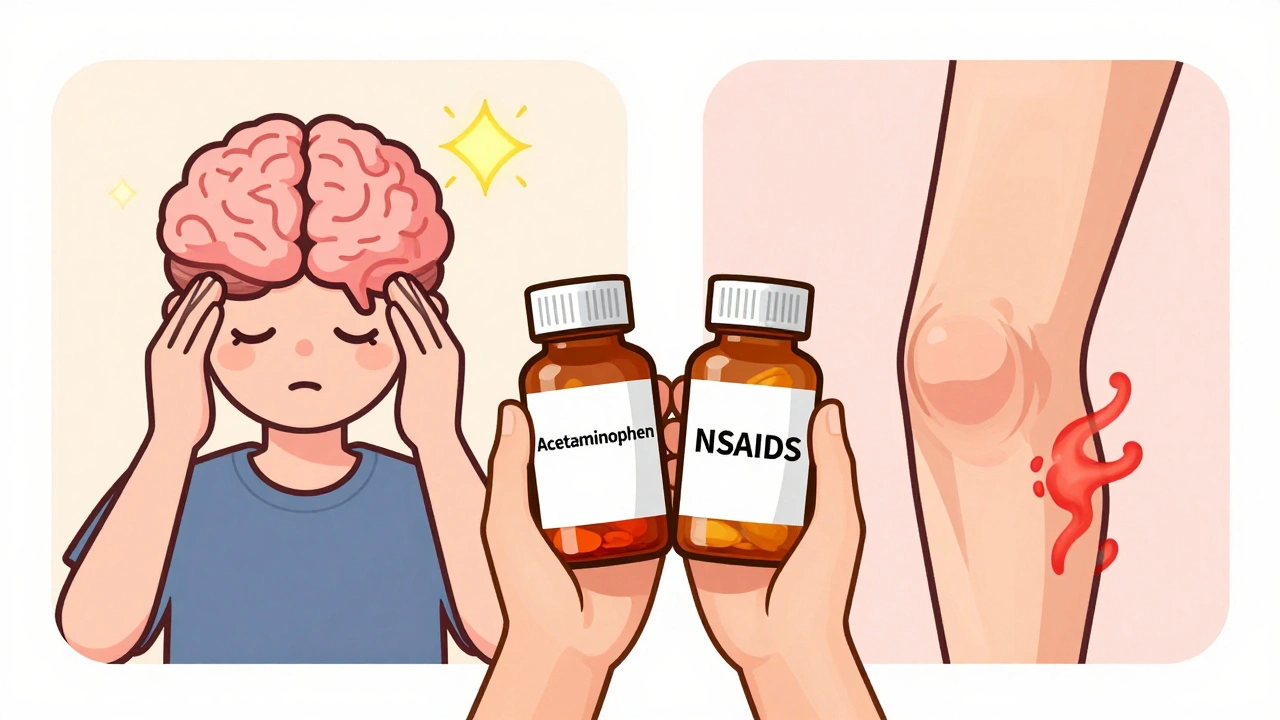
When you have a headache, sore muscles, or a fever, reaching for an OTC pain reliever seems simple. But not all painkillers work the same way-and choosing the wrong one can do more harm than good. Two main types dominate the shelf: acetaminophen and NSAIDs. Knowing the difference isn’t just about picking the strongest pill. It’s about matching the right medicine to your body’s needs-and avoiding hidden risks.
What Acetaminophen Does (and Doesn’t Do)
Acetaminophen, sold as Tylenol and many generic brands, is the most common OTC pain reliever in the U.S. It’s in more than 600 products, from cold medicines to sleep aids. But here’s the catch: it doesn’t reduce swelling. If your knee is inflamed from arthritis, or your shoulder is red and puffy after a strain, acetaminophen won’t touch that part of the pain.
What it does well is block pain signals in your brain and lower your fever. For tension headaches, toothaches, or general body aches without swelling, it’s often the first choice. Studies show about 70% of people with migraines find relief with acetaminophen. It’s also the only OTC painkiller approved for kids under 12 and safe to use during pregnancy, according to guidelines from the University of Utah Health and the FDA.
But there’s a tightrope walk with acetaminophen. The maximum daily dose is 4,000 milligrams-but experts now recommend staying under 3,000 mg to stay safe. Why? Because too much can cause serious liver damage, even if you don’t drink alcohol. The CDC reports around 15,000 hospitalizations every year from accidental acetaminophen overdose. Most of those cases happen because people don’t realize they’re taking it twice-once in a pain pill and again in a cold medicine.
How NSAIDs Work (and Why They’re Different)
NSAIDs-nonsteroidal anti-inflammatory drugs-include ibuprofen (Advil, Motrin), naproxen (Aleve), and aspirin. Unlike acetaminophen, they work everywhere in your body, not just your brain. They block enzymes called COX-1 and COX-2 that make prostaglandins, chemicals that cause pain, fever, and inflammation.
This means NSAIDs don’t just mask pain. They actually fight swelling. If you have arthritis, a sprained ankle, or painful periods, NSAIDs often work better than acetaminophen. Clinical trials show NSAIDs reduce osteoarthritis pain by 30-50%, while acetaminophen only helps by 10-20%. For menstrual cramps, NSAIDs are the gold standard-they cut prostaglandin levels, which directly trigger cramping.
Dosing varies. Ibuprofen is usually taken every 4-6 hours, with a max of 1,200 mg per day for OTC use. Naproxen lasts longer-take it every 8-12 hours, max 660 mg daily. And unlike acetaminophen, you can’t easily overdose by accident with NSAIDs because they’re less likely to be hidden in combo products. But that doesn’t mean they’re safe.
Stomach, Heart, and Liver: The Hidden Risks
NSAIDs are harder on your stomach. About 2-4% of people who take them regularly develop ulcers or bleeding each year. That’s why you’re told to take them with food. Some people even use stomach protectants like famotidine alongside them. The FDA requires warning labels on all NSAID packaging about this risk.
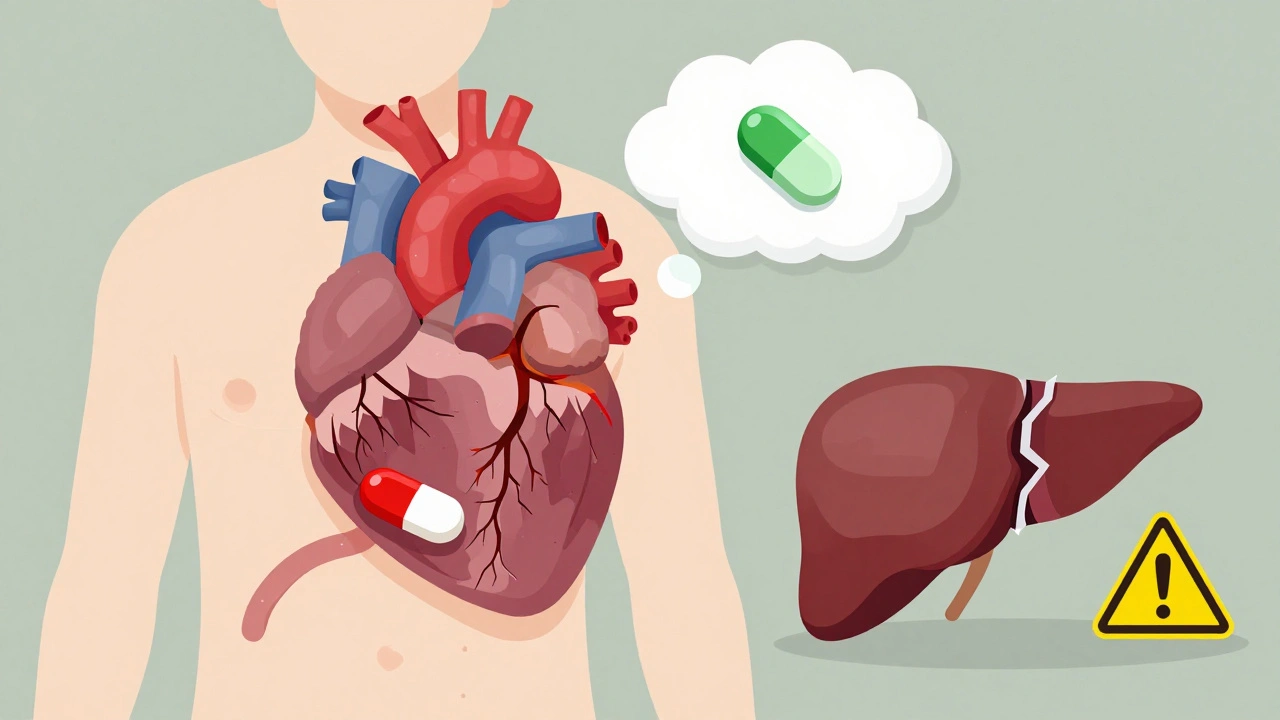
And then there’s the heart. Long-term, high-dose use of ibuprofen can raise your risk of heart attack by 10-50%, according to FDA warnings from 2021. Naproxen is considered safer for the heart-European Heart Journal research shows it has the lowest cardiovascular risk among common NSAIDs. If you have high blood pressure, heart disease, or kidney problems, your doctor may advise against NSAIDs altogether.
Acetaminophen doesn’t hurt your stomach or heart-but it can wreck your liver. Even at normal doses, some people are more sensitive. People with alcohol use disorder, those taking other liver-metabolized drugs, or those with existing liver disease are at higher risk. The FDA strengthened acetaminophen warning labels in 2011 and again in 2022 to make the liver danger impossible to miss.
Which One Should You Choose?
Here’s a simple guide based on what you’re treating:
- Headache, fever, or mild body ache with no swelling? Start with acetaminophen. It’s gentle on the stomach and works fast.
- Arthritis, sprain, tendonitis, or menstrual cramps? Go with an NSAID. Ibuprofen or naproxen will reduce swelling and give better relief.
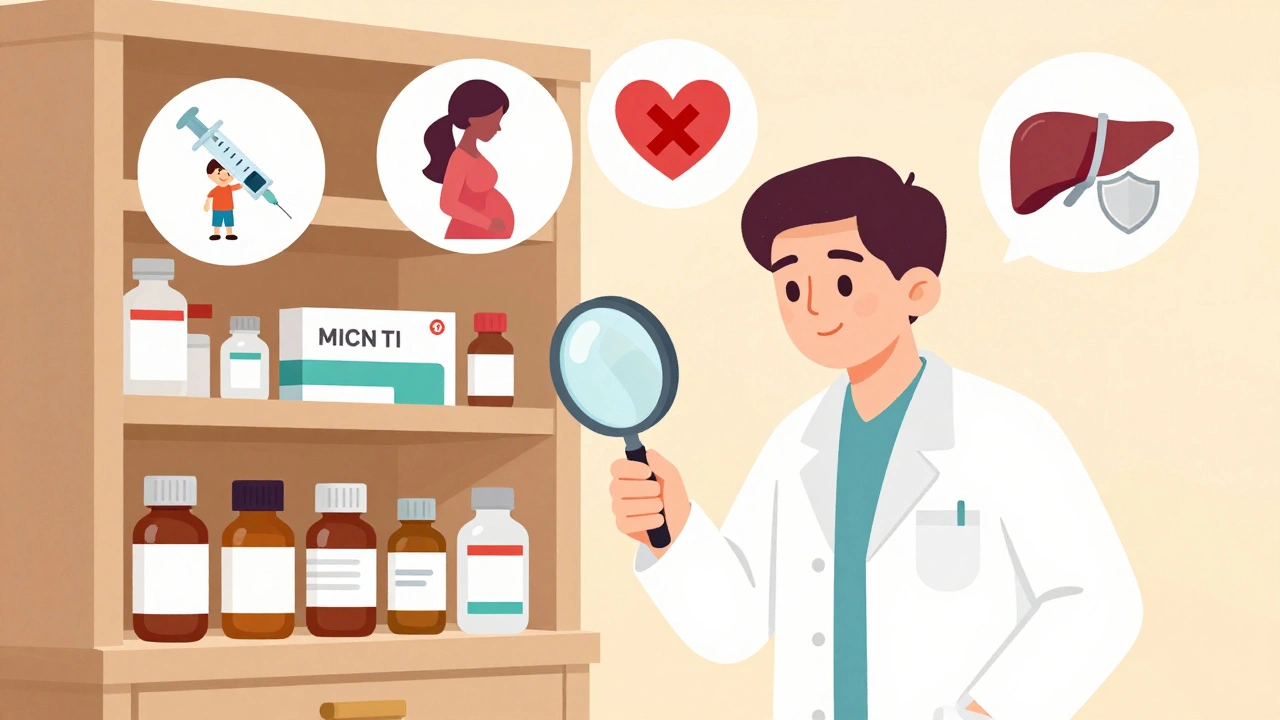
- Child under 12? Only acetaminophen is approved. Always use weight-based dosing: 10-15 mg per kg of body weight.
- Pregnant? Acetaminophen is the only safe OTC option. Avoid NSAIDs after 20 weeks of pregnancy-they can affect fetal kidney development.
- Heart disease or high blood pressure? Avoid NSAIDs. Talk to your doctor before using any OTC painkiller.
And if you’re unsure? Start with acetaminophen. It’s the safest first step for most people. If it doesn’t help after a day or two, switch to an NSAID-unless you have contraindications.
Can You Take Them Together?
Yes-and sometimes, you should. Harvard Health and the Mayo Clinic both say combining acetaminophen and an NSAID can give you better pain relief than either one alone. For example, taking 500 mg of acetaminophen and 200 mg of ibuprofen at the same time can match the pain relief of a higher dose of either drug alone. This lets you use lower doses of both, cutting your risk of side effects.
But never mix two NSAIDs. Taking ibuprofen and naproxen together doesn’t help-it doubles your risk of stomach bleeding. And don’t stack acetaminophen with other products that contain it. Check every label: cold medicine, sleep aids, even some prescription painkillers like Vicodin have acetaminophen in them.
Cost, Availability, and What’s Changing
Generic versions of both drugs are cheap. A bottle of 100 acetaminophen 500 mg tablets costs about $3-$5-so each pill is just 3-5 cents. Ibuprofen is slightly more, around 4-7 cents per 200 mg tablet. That’s why they’re the most sold OTC meds in the U.S., with Americans spending $1.5 billion a year on them.
But things are shifting. The FDA now requires stronger liver warnings on acetaminophen packaging. The American Heart Association updated its 2023 guidelines to say NSAIDs should be avoided in people with known heart disease. And research is moving forward: the NIH is funding 17 clinical trials as of late 2023 to find safer, non-addictive painkillers that don’t hurt the liver or heart.
For now, though, acetaminophen and NSAIDs remain the backbone of OTC pain relief. The key isn’t which is stronger-it’s which is right for your body, your condition, and your health history.
What to Do If Pain Won’t Go Away
If you’ve tried both acetaminophen and an NSAID at full doses for 3-5 days and your pain hasn’t improved, it’s time to see a doctor. Chronic pain isn’t something to self-treat indefinitely. It could signal something deeper-a pinched nerve, an autoimmune issue, or joint damage.
Also, if you notice any warning signs-yellow skin, dark urine, stomach pain, black stools, chest tightness, or sudden swelling-stop the medication and get help right away. These aren’t normal side effects. They’re red flags.
Can I take acetaminophen and ibuprofen at the same time?
Yes, it’s safe and often recommended. Taking 500 mg of acetaminophen and 200 mg of ibuprofen together can give better pain relief than either alone, while keeping doses low to reduce side effects. Just make sure you’re not taking other products that already contain either drug.
Which is safer for the stomach: acetaminophen or NSAIDs?
Acetaminophen is much safer for the stomach. NSAIDs carry a 2-4% annual risk of causing ulcers or bleeding, even at OTC doses. Acetaminophen doesn’t irritate the stomach lining at all. That’s why doctors often recommend it as the first choice for people with a history of stomach issues.
Is naproxen better than ibuprofen?
For long-term use, yes-especially if you’re concerned about heart health. Naproxen has a lower risk of heart attack than ibuprofen, according to European Heart Journal research. It also lasts longer, so you take it fewer times a day. But it’s still an NSAID, so stomach risks remain. Use it only when needed and avoid if you have kidney disease or high blood pressure.
Why can’t I give NSAIDs to my child?
NSAIDs like ibuprofen are approved for children over 6 months, but only under careful dosing. Acetaminophen is preferred for younger kids because it’s easier to dose accurately and has fewer risks. For infants under 6 months, acetaminophen is the only recommended OTC option. Always use a syringe or measuring cup-not a kitchen spoon-to get the right amount.
Can I take acetaminophen if I drink alcohol?
It’s risky. Even moderate drinking can increase your chance of liver damage from acetaminophen. If you drink alcohol regularly, don’t exceed 2,000 mg of acetaminophen per day. If you drink heavily, avoid it entirely. The combination can cause sudden, severe liver failure-even if you’ve taken it safely before.
What’s the safest OTC pain reliever overall?
For most healthy adults without stomach, liver, or heart issues, acetaminophen is the safest first choice because it doesn’t irritate the stomach or affect blood pressure. But if your pain comes with swelling-like arthritis or a sprain-NSAIDs are more effective. The safest option is the one that matches your condition and health history.
Final Tip: Read the Label, Then Read It Again
Every bottle says how much to take and how often. But many people miss the fine print: "Do not use with other products containing acetaminophen" or "May increase risk of heart attack." That’s why checking every medicine you take-even cough syrup-is critical. Keep a list of what you’re using and review it every few weeks. If you’re unsure, ask a pharmacist. They’re trained to catch dangerous combinations before they happen.
Comments
I once took Tylenol and Advil together for a migraine and felt like a superhero 😎 Then I realized I’d taken 3 different meds with acetaminophen and panicked. Now I keep a spreadsheet. Yes, I’m that person.
Pain is just the body screaming for attention and we just hand it a chemical Band-Aid like it’s a toddler throwing a tantrum. We treat symptoms like problems instead of signals. Maybe we should ask why the knee is inflamed instead of just drowning the signal in ibuprofen
I love how naproxen works for my cramps but my stomach hates me after 😅 still better than screaming in bed
The pharmaceutical industry has successfully conditioned us to believe that pain is an enemy to be eradicated rather than a messenger to be understood. The overuse of acetaminophen and NSAIDs reflects a deeper cultural aversion to discomfort, which in turn prevents us from addressing root causes such as chronic stress, poor posture, or nutritional deficiencies that manifest as physical pain. We have become a society that medicates away the symptoms while ignoring the systemic imbalances that produce them.
Always consult pharmacist before combining medications. Safety first. Follow dosage guidelines strictly.
Americans overmedicate. Europe uses naproxen like it’s candy and they’re fine. We panic over 3000mg of acetaminophen like it’s nuclear waste. Stop being weak.
I used to take ibuprofen for everything until my stomach started acting up. Switched to acetaminophen and now I feel like a new person. Also I love that you can take them together sometimes. So smart
I find it fascinating how the FDA has progressively tightened labeling requirements for acetaminophen, especially the 2022 update. It suggests a growing recognition that public health messaging must be both explicit and unavoidable. Yet despite these warnings, the prevalence of accidental overdose remains high, which raises questions about health literacy, packaging design, and whether we’re relying too heavily on individual responsibility rather than systemic safeguards. Is there a case to be made for unit-dose packaging or mandatory digital warnings at point-of-sale?
I always forget that cold meds have acetaminophen in them. Been there. Done that. Got the liver scare. Now I check every label like a hawk. And yeah, naproxen for my back pain is my go-to. Less doses, less hassle.
My mom has arthritis and she swears by naproxen. But she also drinks a glass of wine every night. I told her to stop the meds and start walking. She said 'honey, I’d rather walk on glass.' So we compromise: naproxen every other day and a daily stretch. We all need to listen to our bodies, not just the bottle.
NSAIDs are dangerous if you have high blood pressure or kidney issues and people ignore this. Acetaminophen is not safe either if you drink. The real issue is that we treat pain like a product to be bought not a symptom to be understood. You need to stop taking pills and start asking why your body hurts. This is not a fix it fast culture. This is a live with awareness culture.