Fluoxetine Activation & Symptom Checker
Assess your activation symptoms, understand severity levels, and get personalized timing strategies for managing fluoxetine side effects.
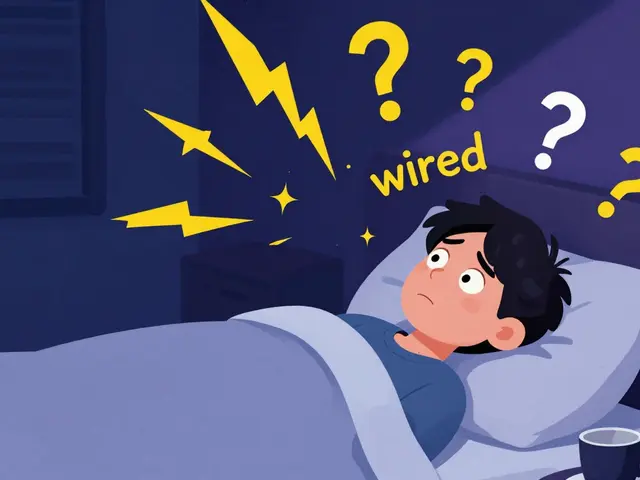
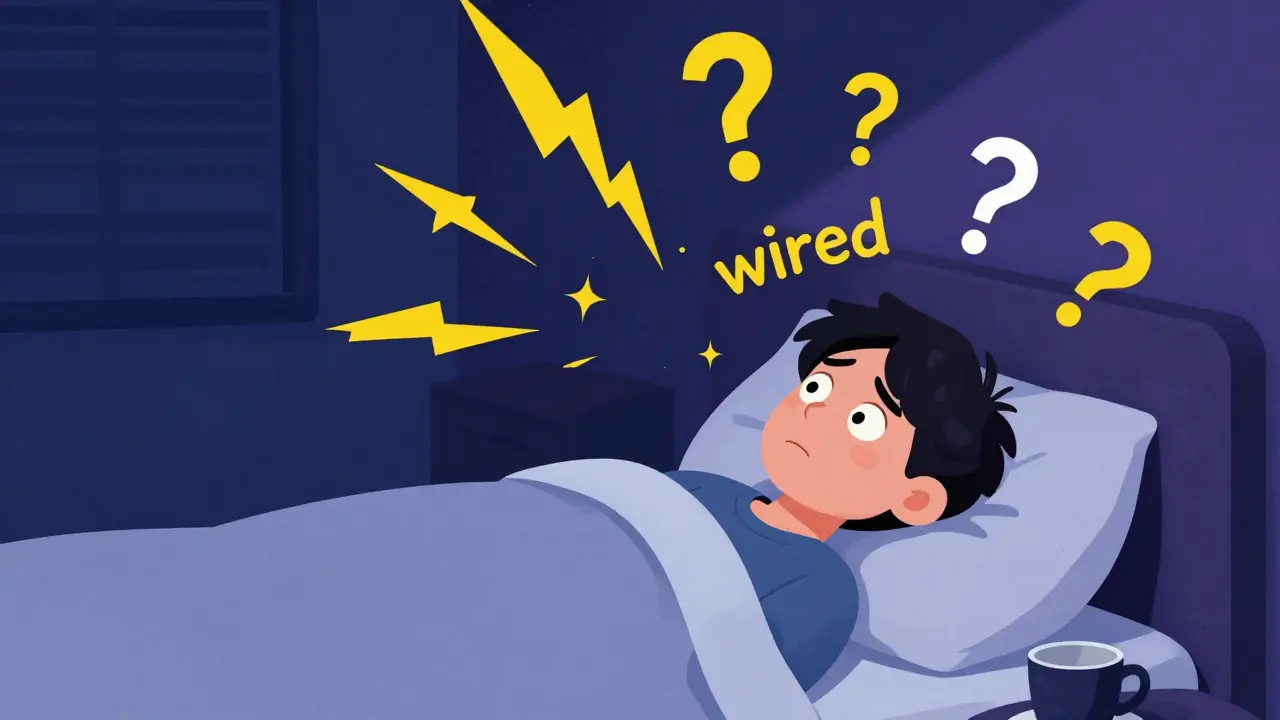
Starting a new antidepressant is supposed to be the turning point. You expect relief from the heavy fog of depression, not a sudden surge of jittery energy that keeps you staring at the ceiling at 3 AM. If you have been prescribed Fluoxetine, commonly known by its brand name Prozac, and are experiencing this exact scenario, you are not alone. In fact, you are experiencing what clinicians call "activation."
Fluoxetine is unique among Selective Serotonin Reuptake Inhibitors (SSRIs). While many antidepressants can make you feel calm or even sleepy, fluoxetine is widely considered the most stimulating option available. It was developed by Eli Lilly and received FDA approval in 1987, revolutionizing treatment by offering a safer alternative to older drugs. However, its potency comes with a specific trade-off: it raises serotonin levels rapidly and blocks reuptake aggressively, which can trigger anxiety, agitation, and severe insomnia, especially during the first few weeks of treatment.
Why Fluoxetine Feels Different From Other Antidepressants
To understand why you might feel wired instead of relaxed, we need to look at how the drug interacts with your brain chemistry. Most SSRIs work similarly, but fluoxetine has distinct pharmacological properties. It is a potent inhibitor of the serotonin transporter (SERT), meaning it stops your neurons from recycling serotonin, leaving more of it available in the synaptic gap. This boosts mood over time, but initially, it can overstimulate certain receptors.
Specifically, fluoxetine acts as an antagonist at 5-HT2C receptors. Research suggests this mechanism contributes significantly to its activating effects. Unlike sertraline or citalopram, which have milder profiles, fluoxetine’s chemical structure makes it particularly energizing. For patients with "retarded depression"-a clinical term for depression characterized by low energy, excessive sleeping, and psychomotor slowing-this activation is actually therapeutic. It helps lift the physical weight of depression. But for someone who already struggles with anxiety or insomnia, this same mechanism can feel like drinking five espressos while having a panic attack.
| Medication Type | Primary Effect on Energy | Best Suited For | Risk of Insomnia |
|---|---|---|---|
| Fluoxetine (Prozac) | Highly Activating | Hypersomnia, Low Energy Depression | High |
| Sertraline (Zoloft) | Mildly Activating/Neutral | Anxiety, Generalized Depression | Moderate |
| Paroxetine (Paxil) | Sedating | Panic Disorder, High Anxiety | Low |
| Mirtazapine (Remeron) | Strongly Sedating | Insomnia, Appetite Loss | Very Low |
The Role of Half-Life and Norfluoxetine
One reason fluoxetine’s effects linger-and why timing matters less than you might think-is its half-life. A half-life is the time it takes for the concentration of the drug in your blood to reduce by half. Fluoxetine has an exceptionally long half-life of 4 to 6 days. Even more striking is its active metabolite, norfluoxetine, which stays in your system for 7 to 15 days.
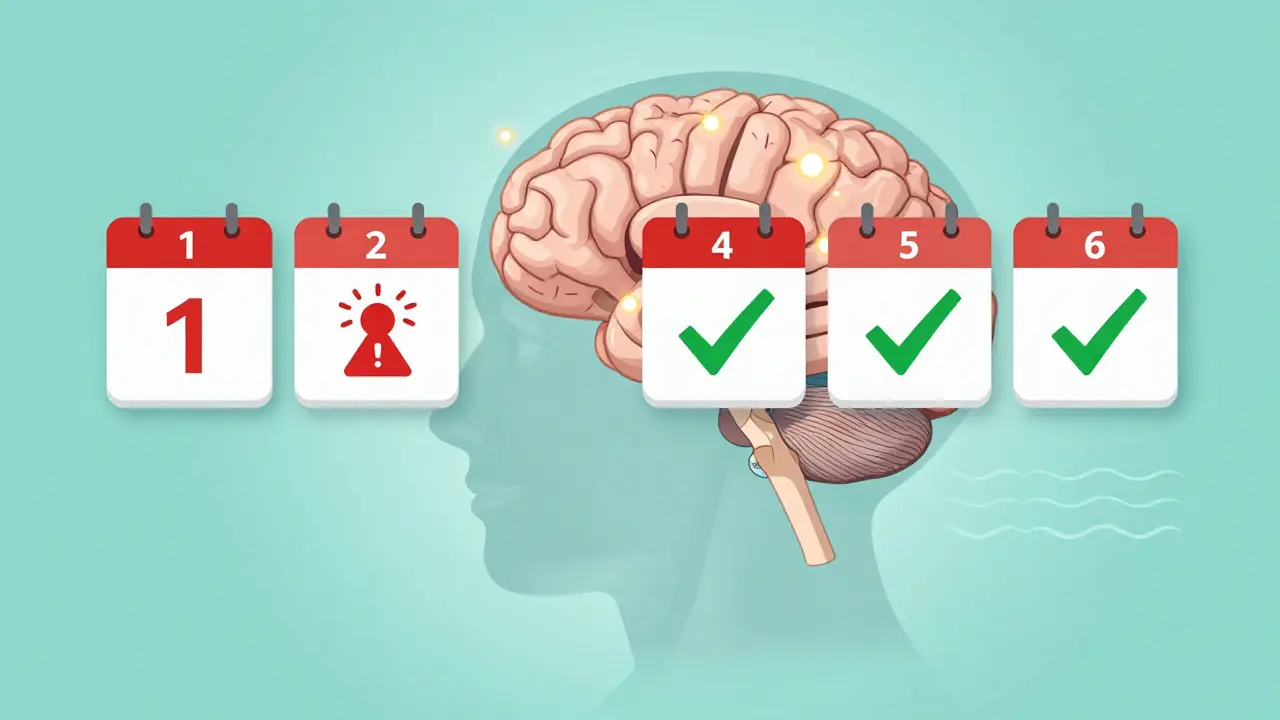
This means that if you miss a dose, you won’t experience immediate withdrawal symptoms, which is a major advantage for adherence. However, it also means that the drug accumulates slowly in your body. It takes about four to six weeks to reach a "steady state," where the amount you take in equals the amount your body clears. During this buildup phase, your brain is adjusting to increasing levels of serotonin. The initial activation symptoms often peak in the first two weeks before stabilizing. Knowing this can help you endure the rough start; the jitters are likely temporary as your neurochemistry recalibrates.
Timing Strategies: Morning vs. Night Dosing
If you are struggling with sleep, the most critical adjustment you can make is when you take your medication. Clinical guidelines and patient reports overwhelmingly support taking fluoxetine in the morning. Because of its stimulating nature, taking it in the evening is a common mistake that leads to severe insomnia.
Here is a practical approach to timing:
- Take it with breakfast: Consistency is key. Taking the pill at the same time every day helps regulate your body’s internal clock. Morning administration aligns the drug’s peak plasma concentration (which occurs 6 to 8 hours after ingestion) with your natural waking hours.
- Avoid late afternoon doses: Since the drug remains active for so long, even a noon dose might interfere with sleep for sensitive individuals. Aim for early morning, between 7 AM and 9 AM.
- Food does not matter much: Unlike some medications, fluoxetine’s absorption is not significantly impacted by food. You can take it with or without a meal, though taking it with food may help if you experience nausea, another common early side effect.
If you accidentally took your dose at night and couldn’t sleep, do not skip the next morning’s dose. Due to the long half-life, skipping doses will not quickly remove the drug from your system and may lead to instability. Instead, stick to the morning schedule going forward.

Managing Initial Anxiety and Agitation
Activation isn’t just about sleep; it often manifests as increased anxiety, nervousness, or tremors. This paradoxical effect-taking an anti-anxiety/depression med and feeling more anxious-is well-documented. Studies show that fluoxetine causes significantly more activating adverse events compared to other antidepressants. This is partly due to its inhibition of the CYP2D6 enzyme, which can affect how your body processes other substances, potentially amplifying stimulant-like effects.
To manage this:
- Start low: Many doctors prescribe 10mg initially, rather than the standard 20mg, to allow your body to adjust. If you were started on 20mg and feel overwhelmed, ask your doctor about splitting the dose or reducing it temporarily.
- Practice sleep hygiene: Since the drug disrupts sleep architecture, compensate with strict habits. No screens one hour before bed, keep the room cool, and avoid caffeine after 12 PM. Caffeine combined with fluoxetine can create a synergistic jitteriness that is hard to shake.
- Monitor for worsening symptoms: While mild anxiety is common, severe agitation or racing thoughts that do not subside after two weeks require medical attention. There is a boxed warning for increased risk of suicidal thoughts in people under 25, particularly during the initial treatment phase. Activation can sometimes mask underlying mania in bipolar disorder, so accurate diagnosis is crucial.
When to Consider Alternatives
For many patients, the activation symptoms fade after 2 to 4 weeks. A 2023 study found that 62% of patients who initially reported insomnia saw improvement in sleep quality by week 8. However, if the side effects persist beyond a month, or if they severely impact your daily functioning, it may be time to discuss alternatives with your prescriber.
Alternatives depend on your primary symptoms:
- If anxiety is the main issue: Paroxetine or escitalopram may offer better tolerance with less activation.
- If insomnia is the main issue: Mirtazapine or trazodone are often used off-label or as primary treatments because they promote sleep.
- If you need energy but had bad reactions to fluoxetine: Bupropion is an NDRI (Norepinephrine-Dopamine Reuptake Inhibitor) that provides energy without affecting serotonin directly, though it carries its own risks for anxiety.
Never stop fluoxetine abruptly. Due to its long half-life, it tapers itself somewhat, but sudden cessation can still cause discontinuation symptoms. Work with your healthcare provider to transition safely.
Real-World Perspectives and Expectations
Understanding others’ experiences can normalize what you are going through. On patient forums, it is common to see stories like, "I took Prozac at night by mistake and didn’t sleep at all," or "The first two weeks were hell with insomnia, but now I sleep fine." These anecdotes highlight two key truths: individual variability is high, and timing errors have immediate consequences. One user reported extreme anxiety and racing thoughts within 24 hours, while another noted that their sleep improved after six months of consistent use.
The goal of treatment is not just to eliminate depression but to improve overall quality of life. If the cost of activation outweighs the benefit of mood elevation, the treatment plan needs adjustment. Your brain chemistry is unique, influenced by genetics such as CYP2D6 metabolism status. Pharmacogenetic testing, increasingly available, can predict whether you are a "poor metabolizer" who might experience higher drug concentrations and more pronounced side effects.
Key Takeaways for Success
Dealing with fluoxetine activation requires patience and strategic management. Remember that the drug’s long half-life works in your favor for consistency but against you for quick adjustments. Prioritize morning dosing, minimize other stimulants, and give your brain at least four weeks to adapt. If symptoms persist, communicate openly with your doctor about dosage reductions or switching to a less activating agent. The right antidepressant should lift the darkness without keeping you awake in the light.
How long does fluoxetine activation last?
For most patients, activation symptoms like anxiety and insomnia peak during the first 1 to 2 weeks of treatment and gradually diminish over 4 to 6 weeks as the brain adjusts to steady-state serotonin levels. If symptoms persist beyond 6 weeks, consult your doctor.
Should I take fluoxetine in the morning or at night?
You should almost always take fluoxetine in the morning. It is considered the most stimulating SSRI, and taking it at night frequently causes insomnia. Aim for a consistent time between 7 AM and 9 AM.
Can fluoxetine make anxiety worse?
Yes, initially. Fluoxetine can cause transient increases in anxiety, agitation, and restlessness due to its activating properties. This is often temporary, but if anxiety becomes severe or unmanageable, your doctor may lower the dose or switch medications.
Why does fluoxetine cause more insomnia than other SSRIs?
Fluoxetine has a unique receptor profile, including antagonism at 5-HT2C receptors, which contributes to its stimulating effects. Combined with its potent serotonin reuptake inhibition, it tends to increase alertness more than neutral SSRIs like sertraline or sedating ones like paroxetine.
What should I do if I missed my morning dose of fluoxetine?
Due to fluoxetine’s long half-life (4-6 days), missing one dose usually has minimal impact. If you remember later in the day, take it unless it is close to bedtime, as it may disrupt sleep. Do not double up on the next day. Maintain your regular morning schedule.