
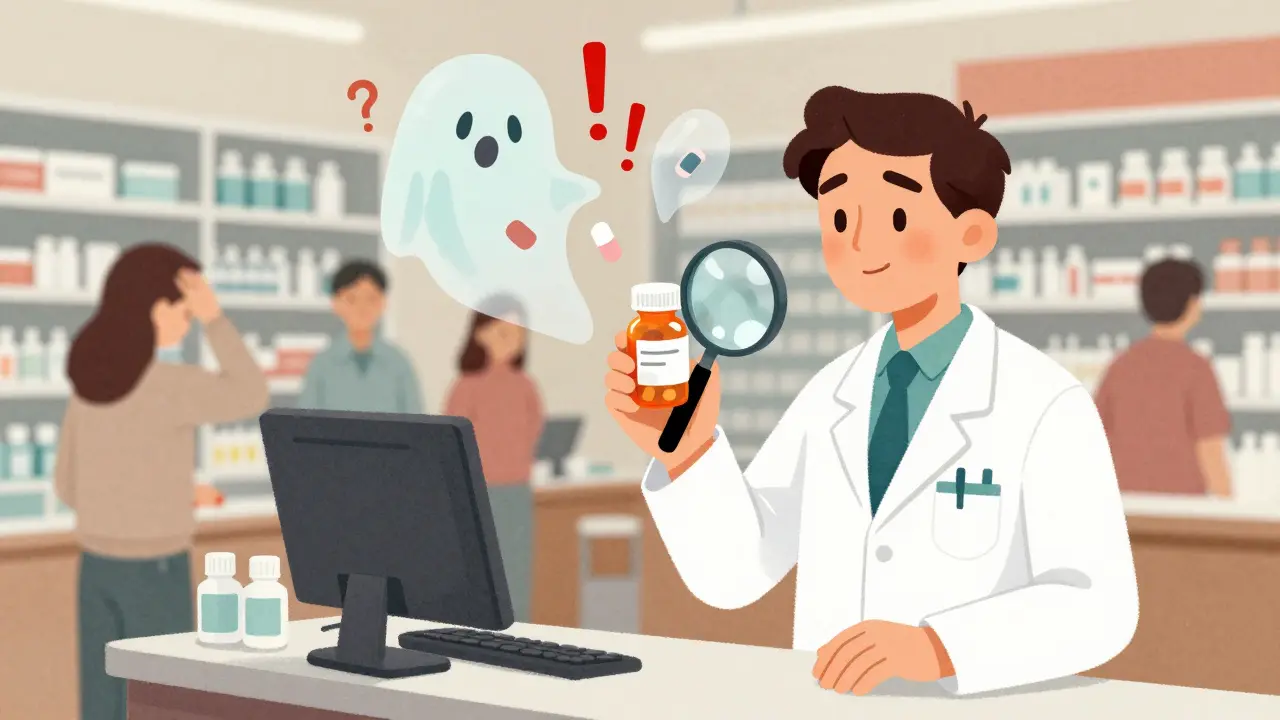
Every day, pharmacists hand out millions of generic drugs. They’re cheaper, widely used, and trusted. But when something goes wrong-when a patient gets sick after switching from one generic to another, or when a medication just doesn’t work like it used to-pharmacist responsibility for reporting generic drug problems becomes critical. And yet, most pharmacists don’t report these issues. Why? And what should they be doing instead?
Why Generic Drug Problems Matter
Generic drugs make up about 90% of all prescriptions filled in the U.S. They’re required to be bioequivalent to the brand-name version, meaning they should deliver the same amount of active ingredient at the same rate. But bioequivalence in a lab doesn’t always mean the same result in real life. Patients report things like sudden side effects, loss of effectiveness, or strange reactions after switching generics. These aren’t just coincidences. They’re signals. The FDA calls this therapeutic inequivalence: when two drugs that are supposed to be identical behave differently in patients. It’s not about quality control alone-it’s about how the body responds. And pharmacists are often the first to notice it. They see the same patient come back three times saying, “This new pill doesn’t work like the last one.” They hear the same story from multiple people using the same generic brand. That’s not noise. That’s data.What Pharmacists Are Supposed to Do
The FDA doesn’t legally require pharmacists to report adverse events. But that doesn’t mean they’re off the hook. Professional organizations like the American Society of Health-System Pharmacists (ASHP) say reporting is a fundamental professional responsibility. The FDA’s MedWatch program exists specifically to collect these reports-and pharmacists are uniquely positioned to help. Here’s what you need to report:- A specific adverse event (e.g., dizziness, rash, seizure, loss of efficacy)
- The generic drug name and manufacturer
- The National Drug Code (NDC) and lot number
- Details about the patient (age, gender, other meds-no names needed)
- Whether you suspect therapeutic inequivalence
The Real Problem: Underreporting
Despite being the frontline of drug distribution, pharmacists account for less than 3% of all adverse event reports to the FDA. In 2022, over 28,000 reports mentioned generic drug problems-but only 387 came from pharmacists. Meanwhile, manufacturers filed 67% of reports. That’s backwards. Manufacturers have little incentive to report problems with their own products. Pharmacists do. Why the gap? Three big reasons:- Lack of time - 68% of pharmacists say they’re too busy to file reports.
- Uncertainty - 52% don’t know if an event is serious enough to report.
- Confusion over manufacturer - 42% can’t tell which generic brand the patient actually got.
Therapeutic Inequivalence: The Silent Crisis
Therapeutic inequivalence isn’t just a theory. The FDA’s Therapeutic Equivalence Working Group, formed in 2019, has reviewed 147 generic products based on pharmacist reports. Twelve of those led to direct warnings to doctors and patients. One example: a generic version of levothyroxine. Patients on the same dose started having heart palpitations and weight loss. Pharmacists noticed it across multiple pharmacies. They reported it. The FDA investigated. Turns out, the new formulation had a different filler that affected absorption. The product was flagged. Prescribers were warned. Lives were changed. This is why pharmacists’ reports matter. Lab tests can’t catch everything. Real people in real bodies reveal what machines miss.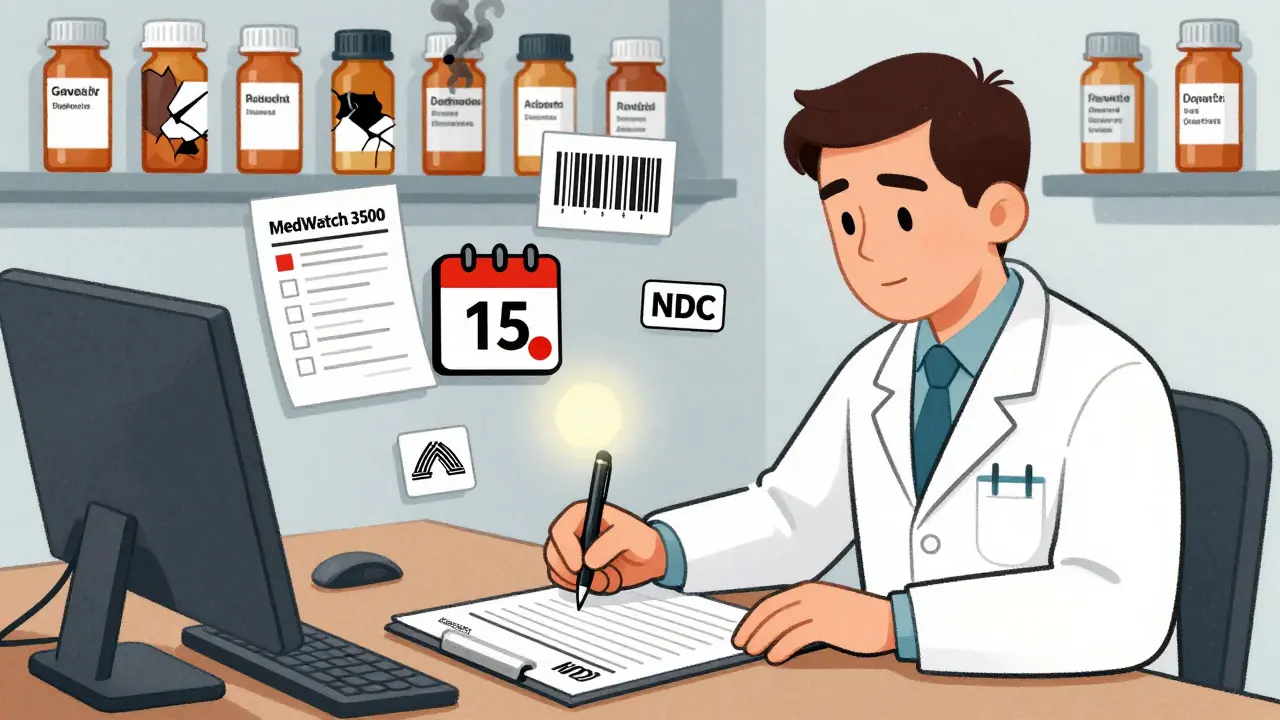
Legal and Ethical Obligations
While federal law doesn’t force pharmacists to report, some states do. California, Illinois, Massachusetts, and New York require reporting of serious adverse events. The California State Board of Pharmacy explicitly says pharmacists must “maintain a system for identifying, documenting, and reporting adverse drug reactions.” Ethically, the American Pharmacists Association says adverse event reporting is one of the top five “undervalued clinical services” pharmacists provide. Yet only 44% of community pharmacists say they routinely do it-even though 89% agree they should. And then there’s the legal gray area. After the 2011 Supreme Court case PLIVA v. Mensing, generic manufacturers can’t be sued for failing to update warning labels. Why? Because federal law forces them to use the same label as the brand drug. That means if a drug causes harm, the manufacturer has no legal duty to warn-so they rarely do. The burden falls on the people who see patients: pharmacists, doctors, and patients themselves.How to Report: A Simple Step-by-Step
You don’t need a PhD to file a report. Here’s how:- Identify the issue - Patient reports a change in effect or new side effect after switching generics.
- Check the label - Find the NDC, manufacturer name, and lot number on the bottle.
- Document the details - What happened? When? Was it the first time? Any other meds involved?
- Go to MedWatch - Visit the FDA’s MedWatch portal (fda.gov/medwatch).
- Fill out Form 3500 - Use the “generic drug concern” category and select the issue type.
- Submit - Takes under 10 minutes. You can do it anonymously.
What Happens After You Report?
Your report goes into FAERS-the FDA’s Adverse Event Reporting System. It holds over 25 million reports. Analysts look for patterns. If ten people report the same issue with the same generic, the FDA may:- Request additional testing from the manufacturer
- Issue a public safety alert
- Require label changes
- Delay approval of similar generics
What You Can Do Today
You don’t need to wait for a crisis. Start now:- Keep a simple log in your pharmacy system: “Patient X switched to Generic Y, developed headache.”
- Ask patients: “Has anything changed since you got this new pill?”
- Share patterns with colleagues. If three people saw the same thing, report it.
- Print out the MedWatch form and keep it by the counter. Make it part of your workflow.
- Push your pharmacy to include reporting in staff training. It’s not optional. It’s professional.
Frequently Asked Questions
Do I have to report every side effect I hear about?
No. Focus on serious events: those that are life-threatening, cause hospitalization, lead to permanent disability, or involve unexpected reactions. But if you see the same issue with multiple patients on the same generic, even if it’s mild, report it. Patterns matter.
Can I report if I don’t know the exact manufacturer?
Yes. If you’re unsure, write “unknown” or “switched generics.” The FDA can still track the NDC and lot number. Better to report with partial info than not at all.
Will reporting get me in trouble with my pharmacy?
No. Reporting to the FDA is a protected professional activity. Your pharmacy can’t penalize you for it. In fact, pharmacies that actively report are rated higher in safety assessments by groups like ISMP.
Is there a deadline for reporting?
For serious events, the FDA asks you to report within 15 calendar days. For non-serious but unusual events, submit as soon as possible. Don’t wait months.
Why do manufacturers report more than pharmacists?
Manufacturers are legally required to report adverse events they become aware of. Pharmacists aren’t. But manufacturers often don’t know what’s happening in real-world use. Pharmacists do. That’s why your report-even if it’s one-can change the system.
Can I report a problem even if the patient didn’t go to the hospital?
Absolutely. The FDA wants reports of unexpected side effects-even if they’re not life-threatening. That’s how they find new safety signals. A rash, nausea, or loss of effectiveness in multiple patients could point to a formulation problem.
Next Steps for Pharmacists
If you’re still unsure where to start:- Download the MedWatch Form 3500 and print it. Keep a stack by the counter.
- Set a reminder to review your logs every Friday. Look for repeats.
- Ask your pharmacy owner to add reporting to your staff training calendar.
- Share this article with your team. This isn’t just paperwork. It’s patient safety.
Comments
I've seen this happen so many times where a patient comes back saying their thyroid med doesn't work anymore and it's always the same generic brand switching mid-script. No one tracks it until someone gets sick. Pharmacists are the eyes on the ground and we're letting data slip through the cracks.
This is one of those things that should be common knowledge but isn't. I've been a pharmacist for 18 years and I still see new grads who don't know MedWatch exists. We need mandatory training in pharmacy school, not just a footnote in a manual. Real people are getting hurt because we treat reporting like paperwork instead of clinical duty.
Let’s be real - the FDA doesn’t care about your little reports. Manufacturers get fined for real problems, not vague patient complaints. You think your 10-minute form is gonna change anything? The system’s rigged. Save your time and focus on filling scripts. That’s your job, not playing detective for Big Pharma.
I work in a small town pharmacy in India and we get the same generics imported from different countries. One batch makes patients dizzy, another makes them sleepy. We don’t have NDC codes here but we write down the lot numbers and share with other pharmacists. One report led to a whole batch being pulled. It matters. Even here. Even small.
Why are we even talking about this? 99% of generics are fine. The few bad ones are outliers. You’re overcomplicating a system that works. Patients complain about everything. If they don’t like the pill color, they think it’s broken. Stop creating problems where there are none.
I used to think reporting was a chore until I saw a pattern with a generic metformin - 7 patients in 3 weeks with severe GI issues after switching. I filed one report. Three months later, the FDA issued a warning. That’s why we do this. Not for the paperwork. For the people who don’t know how to speak up.
Just printed the MedWatch form and taped it next to the counter. Told my team we’re doing it every Friday. No more excuses. One report could save someone. I’ve seen it. 💯
My pharmacy started tracking these reports last year. We’ve filed 12 so far. Two led to manufacturer recalls. It’s not about being a hero. It’s about being responsible. You don’t need permission to do the right thing.