Medication Dizziness Risk Checker
Check the boxes below for any medication classes you are currently taking. Then select your age group to estimate your relative risk profile.
Current Medications
Age Group
Your personalized assessment will appear here.
Have you ever felt a sudden wave of unsteadiness or that the room is spinning right after taking your pills? If so, you are not alone. Dizziness and lightheadedness are among the most common complaints in primary care, affecting roughly 15% to 20% of adults every year. While many people blame stress or dehydration, a significant portion of these episodes are actually triggered by the very medications prescribed to treat other conditions. Understanding this link is crucial because ignoring it can lead to falls, injuries, or unnecessary anxiety.
This guide breaks down why drugs cause dizziness, which medications are the usual suspects, and how to manage symptoms safely without stopping treatment abruptly. We will look at the science behind the sensation, identify high-risk drug classes, and provide practical steps to protect your balance and health.
Key Takeaways
- Dizziness is a top adverse drug reaction, accounting for about 23% of all dizziness cases seen in primary care.
- Blood pressure meds, antidepressants, and antiepileptics are the most frequent culprits due to their effects on blood flow and brain chemistry.
- Older adults face higher risks; using five or more medications increases dizziness risk by 300%.
- Never stop medication suddenly without doctor approval, as withdrawal can be more dangerous than the side effect.
- Vestibular rehabilitation therapy is highly effective, resolving symptoms in 70-80% of persistent cases.
Why Do Medications Cause Dizziness?
To understand why certain pills make you feel woozy, we need to look at how your body maintains balance. Your equilibrium relies on a complex network involving your inner ear (vestibular system), your cardiovascular system, and your central nervous system. Medications interfere with one or more of these systems, creating a mismatch in sensory input that the brain interprets as dizziness or vertigo.
There are three main physiological pathways at play here. First, Cardiovascular Regulation is often disrupted by drugs that lower blood pressure. When your blood pressure drops too quickly upon standing-a condition known as orthostatic hypotension-your brain doesn't get enough oxygen immediately, leading to lightheadedness. Second, Vestibular Suppression occurs when drugs directly affect the inner ear or the nerves connecting it to the brain. Some antibiotics, for instance, can damage the hair cells in the inner ear, leading to permanent balance issues if not monitored. Third, Central Nervous System Alterations happen when medications change neurotransmitter levels. Antidepressants and sedatives, for example, alter serotonin or GABA activity, which can confuse the brain's processing of spatial orientation.
Dr. Timothy Hain, a neurology professor at Northwestern University, explains that these drugs create a "sensory mismatch." Essentially, your eyes see one thing, your muscles feel another, and your inner ear reports a third. When these signals don't align, your brain gets confused, resulting in that dizzy feeling. This isn't just an annoyance; it’s a signal that your body is struggling to adapt to the chemical changes introduced by the medication.
Common Culprits: Which Drugs Trigger Dizziness Most?
Not all medications carry the same risk. Some classes of drugs are far more likely to cause dizziness than others. Here is a breakdown of the most common offenders and their associated incidence rates based on recent medical data.
| Medication Class | Example Drug | Dizziness Incidence Rate | Primary Mechanism |
|---|---|---|---|
| Antiepileptic Drugs | Carbamazepine | 29.7% | CNS Neurotransmitter Interference |
| Diuretics | Furosemide | 22.1% | Blood Volume Reduction / Orthostasis |
| Tricyclic Antidepressants | Amitriptyline | 28.4% | Anticholinergic & CNS Effects |
| SSRIs (Antidepressants) | Fluoxetine | 25.3% | Serotonin Reuptake Inhibition |
| Beta-Blockers | Propranolol | 19.7% | Heart Rate & BP Reduction |
| Aminoglycoside Antibiotics | Gentamicin | 17-40% (Prolonged use) | Ototoxicity (Inner Ear Damage) |
Antiepileptic Drugs like carbamazepine and pregabalin sit at the top of the list. These medications work by calming overactive neurons in the brain, but this suppression can also dampen the signals responsible for balance. For many patients, dizziness is most intense during the first few weeks of treatment as the body adjusts to the new dosage.
Blood Pressure Medications are another major category. Diuretics, such as furosemide, help remove excess fluid from the body, which lowers blood volume and pressure. If your blood pressure drops too low, especially when you stand up, you’ll feel lightheaded. Beta-blockers, commonly used for heart conditions and anxiety, slow your heart rate and relax blood vessels, which can also contribute to that fainting sensation.
Don’t overlook Antibiotics. While most people associate them with stomach upset, aminoglycosides like gentamicin can be ototoxic. This means they can damage the delicate structures in your inner ear. Unlike temporary dizziness, this type of damage can sometimes be permanent, making monitoring essential for long-term users.
The Hidden Risk: Falls in Older Adults
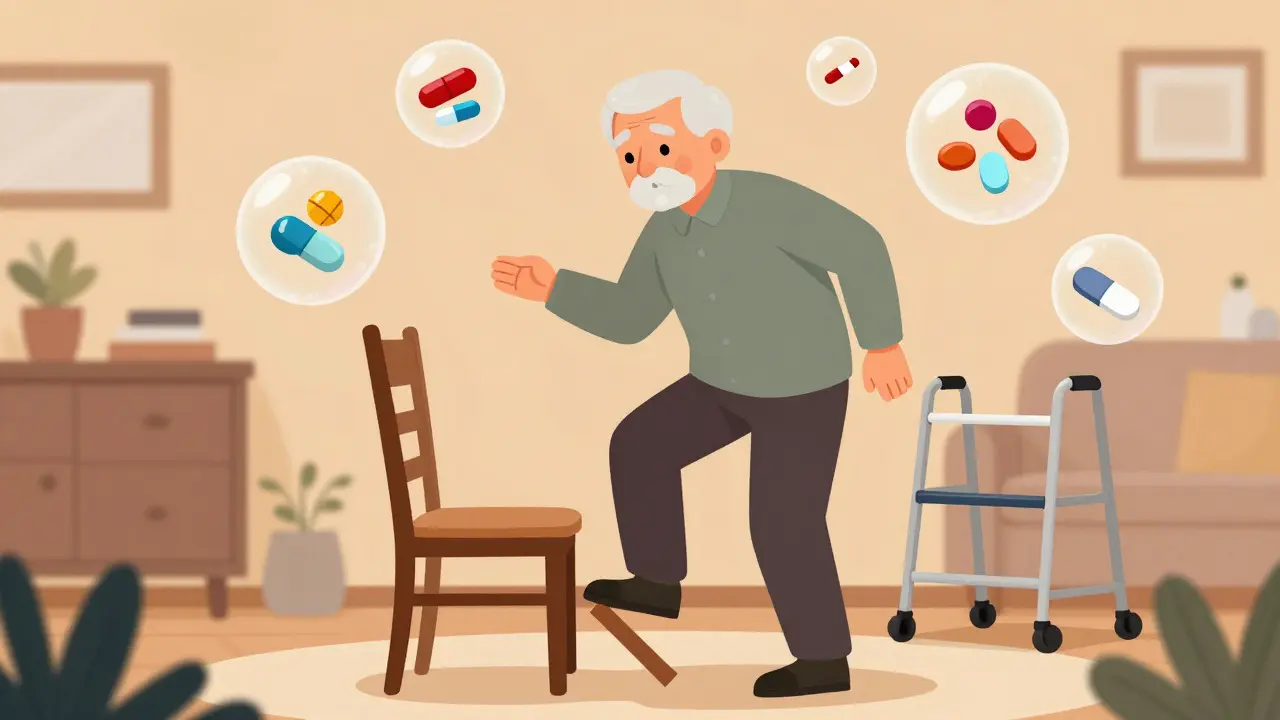
If you are over 65, dizziness is not just an inconvenience-it’s a safety hazard. According to CDC data, 35% of older adults experience at least one fall annually. Medication-induced dizziness is a leading contributor to these falls. The risk escalates dramatically with polypharmacy, which is the practice of taking multiple medications simultaneously.
A study published in JAMA Internal Medicine found that older adults taking five or more medications have a 300% higher risk of experiencing dizziness compared to those taking only one. This happens because different drugs can interact in unexpected ways. For example, combining a beta-blocker with a diuretic can drop blood pressure significantly faster than either drug would alone. The American Geriatrics Society’s Beers Criteria specifically flags 17 high-risk medications for seniors, including benzodiazepines and first-generation antihistamines, because they increase fall risk by 40-50%.
For families caring for elderly relatives, this is a critical area to watch. Keep an eye out for subtle signs like hesitation before standing, gripping furniture for support, or frequent near-misses. These are often early indicators that medication adjustments are needed.
How to Manage Dizziness Safely
So, what should you do if your medication makes you dizzy? The first rule is simple: don’t panic, and don’t stop the medication on your own. Abruptly stopping seizure meds, for instance, can increase seizure frequency by 300%. Instead, follow these evidence-based steps.
- Keep a Symptom Diary: Write down when you feel dizzy, what time you took your medication, and what you were doing at the moment. Studies show that 68% of medication-related dizziness cases have a clear temporal link to dosing times. This log is invaluable for your doctor.
- Change Positions Slowly: If you take blood pressure meds, avoid jumping out of bed or chairs. Sit on the edge of the bed for a minute before standing. This gives your cardiovascular system time to adjust and prevents orthostatic drops.
- Stay Hydrated: Dehydration worsens dizziness, especially if you are on diuretics. Drink plenty of water throughout the day unless your doctor has restricted your fluid intake.
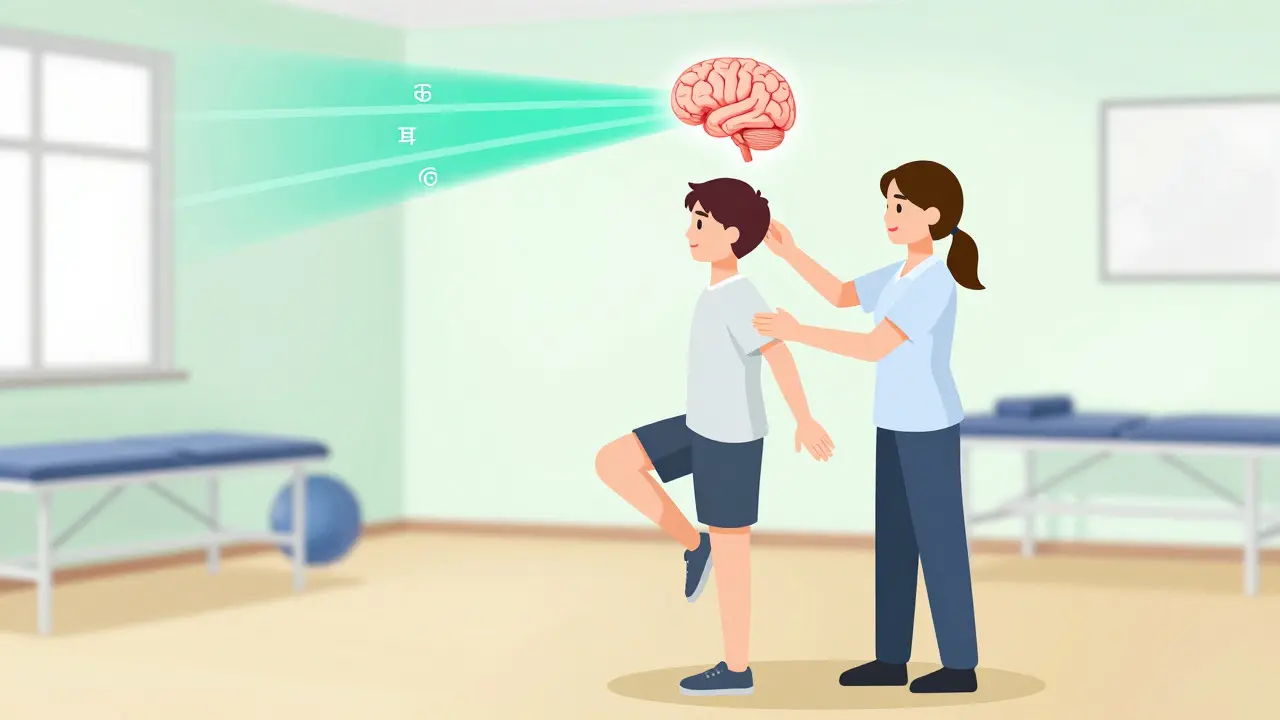
- Consider Vestibular Rehabilitation: If dizziness persists, ask your doctor about vestibular rehabilitation therapy (VRT). VRT involves specific exercises that retrain your brain to interpret balance signals correctly. It has a success rate of 70-80% and typically requires six to eight weekly sessions.
Your healthcare provider may also use tools like the Naranjo Adverse Drug Reaction Probability Scale to determine if your dizziness is definitely caused by the medication. If the score is high, they might switch you to an alternative drug with fewer side effects or adjust your dose gradually.
When to See a Doctor Immediately
While mild dizziness is common, certain symptoms warrant immediate medical attention. Seek help if you experience:
- Sudden, severe vertigo (spinning sensation) that doesn't go away.
- Hearing loss or ringing in the ears (tinnitus), which could indicate inner ear damage from ototoxic drugs.
- Chest pain, shortness of breath, or irregular heartbeat alongside dizziness.
- Confusion, slurred speech, or weakness on one side of the body, which could signal a stroke rather than a side effect.
Also, contact your doctor if the dizziness interferes with your daily activities, such as driving or working. Persistent dizziness affects quality of life and increases the risk of injury, so it shouldn't be ignored.
Future Directions: Personalized Medicine
Science is moving toward predicting who is at risk for medication-induced dizziness before they even start the drug. Recent research identified 17 genetic variants linked to susceptibility to antihypertensive-induced dizziness. In the future, pharmacogenomic testing could allow doctors to choose medications that match your genetic profile, minimizing side effects. Programs like the NIH's All of Us Research Program are collecting data from millions of participants to build these predictive algorithms. Until then, staying informed and communicating openly with your healthcare team remains your best defense.
Can dizziness from medication be permanent?
Usually, no. Most medication-induced dizziness resolves once the body adjusts to the drug or when the dose is adjusted. However, certain drugs like aminoglycoside antibiotics or cisplatin chemotherapy can cause permanent damage to the inner ear (ototoxicity). If you notice hearing changes along with dizziness, consult your doctor immediately to prevent lasting harm.
Should I stop my medication if it makes me dizzy?
Never stop medication abruptly without consulting your physician. Stopping seizure medications, beta-blockers, or antidepressants suddenly can lead to severe withdrawal symptoms or a return of the original condition. Your doctor can guide you through a safe tapering process or switch you to a safer alternative.
What is the fastest way to relieve dizziness from blood pressure meds?
Sit or lie down immediately to prevent falls. Once stable, move slowly when changing positions. Staying hydrated and wearing compression stockings can also help improve blood flow and reduce symptoms. If episodes are frequent, discuss dose timing or alternative medications with your doctor.
Do older adults have a higher risk of medication-induced dizziness?
Yes. Older adults are more susceptible due to age-related changes in balance mechanisms and kidney function, which affects how drugs are processed. Additionally, polypharmacy (taking 5+ meds) is common in this group, increasing the risk of drug interactions that trigger dizziness and falls.
Is vestibular rehabilitation therapy worth trying?
If your dizziness persists despite medication adjustments, yes. Vestibular rehabilitation therapy (VRT) is a non-invasive exercise program that retrains your brain to handle balance signals. It is effective for 70-80% of patients and can significantly improve stability and confidence in movement.