
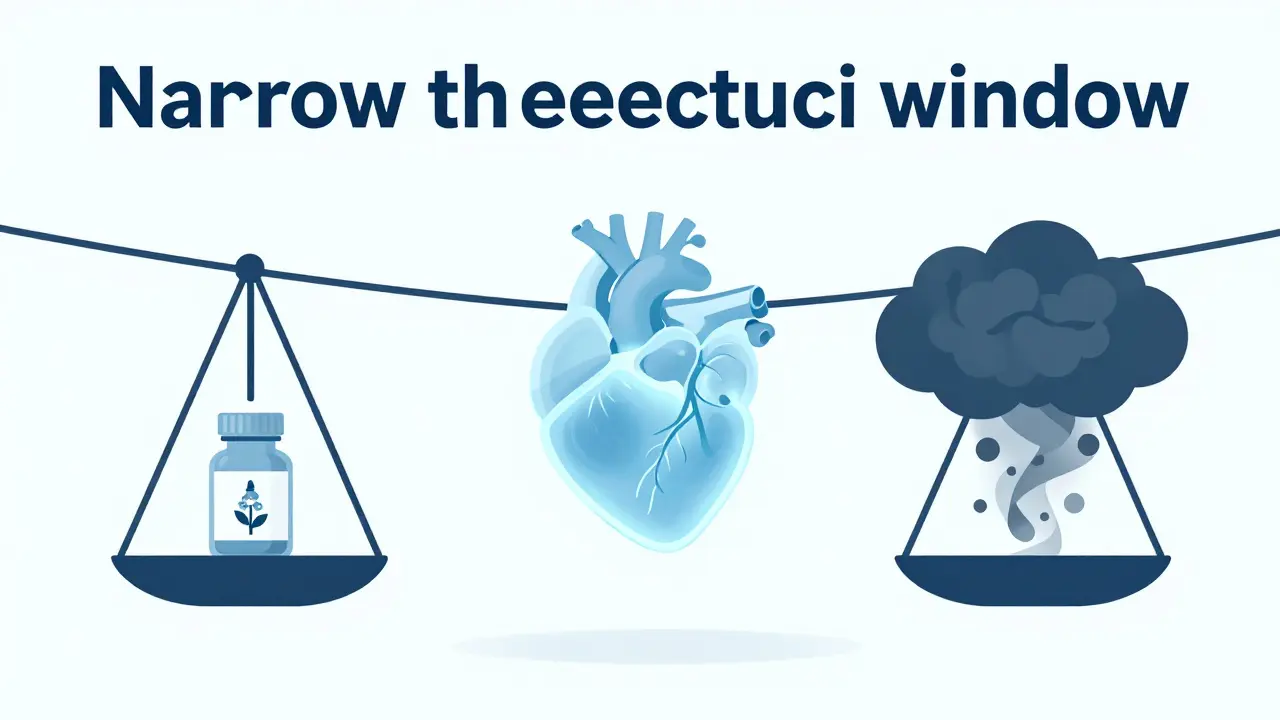
Imagine taking a life-saving heart medication that works like a double-edged sword. On one side, it strengthens your heartbeat and controls dangerous rhythms. On the other, it sits on a razor-thin line between healing you and poisoning you. This is the reality for millions of patients taking Digoxin, a cardiac glycoside derived from the foxglove plant. While newer drugs have taken the spotlight, digoxin remains a critical tool in managing heart failure and atrial fibrillation. However, its narrow therapeutic index means that even small changes in your body’s chemistry can tip the scales toward toxicity.
The danger isn’t just about the dose you swallow; it’s about what else is in your system. Antibiotics, common antacids, herbal supplements, and even your breakfast cereal can drastically alter how much digoxin stays in your blood. For heart patients, understanding these interactions isn't optional-it's a matter of safety. Let’s break down exactly what you need to watch out for to keep your heart steady and your levels safe.
The Narrow Window of Safety
To understand why interactions are so risky with digoxin, you first need to grasp its pharmacokinetics. Unlike many modern medications that have a wide safety margin, digoxin has a very narrow therapeutic window. According to the American Heart Association's 2023 guidelines, the optimal serum concentration for most patients is between 0.5 and 0.9 ng/mL. If your levels climb above 2.0 ng/mL, the risk of severe toxicity spikes dramatically.
This sensitivity varies wildly from person to person. Factors like advanced age (over 65), low body weight (under 60 kg), and impaired kidney function make you far more susceptible to toxicity. In fact, StatPearls (2023) notes that toxicity can occur even at "therapeutic" levels if you have specific risk factors, such as low potassium. The DIG trial published in the New England Journal of Medicine showed that while digoxin improves left ventricular ejection fraction by 5-10%, it doesn't necessarily extend life expectancy, making safety monitoring paramount.
| Parameter | Target/Safe Range | Risk Threshold |
|---|---|---|
| Serum Digoxin Level | 0.5 - 0.9 ng/mL | > 2.0 ng/mL (High Toxicity Risk) |
| Serum Potassium | 4.0 - 5.0 mmol/L | < 3.5 mmol/L (Potentiates Toxicity) |
| Creatinine Clearance | > 50 mL/min | < 15 mL/min (Contraindicated/Extreme Caution) |
Prescription Drugs That Raise the Stakes
Many standard medications interact with digoxin by either blocking its exit from your body or amplifying its effect on your heart. These pharmacodynamic and pharmacokinetic interactions can cause your digoxin levels to skyrocket without you changing your dose.
- Antiarrhythmics: This is perhaps the most dangerous category. Dronedarone can increase digoxin levels by more than 50%. The PALLAS trial (2012) linked this combination to a 2.5-fold higher risk of sudden death. Similarly, amiodarone can boost digoxin concentrations significantly. One patient on the AHA Support Network reported their levels jumping from 0.8 to 1.9 ng/mL within two weeks of starting amiodarone, leading to severe nausea and vision changes.
- Calcium Channel Blockers: Drugs like diltiazem and verapamil inhibit the P-glycoprotein pump that helps excrete digoxin. This can raise digoxin concentrations by 30-50%. More importantly, both drugs slow the heart rate. Combining them can lead to severe bradycardia, with heart rates dropping below 40 beats per minute.
- Antibiotics: It might surprise you, but common antibiotics like erythromycin and tetracycline can increase digoxin levels by up to 40%. They do this by killing off gut bacteria that normally help metabolize and eliminate digoxin before it enters your bloodstream. Quinidine is even more potent, potentially doubling digoxin levels by reducing renal clearance.
- Beta-Blockers: Carvedilol, in particular, has been shown to increase digoxin levels by approximately 16%. Like calcium channel blockers, beta-blockers also slow the heart, compounding the risk of bradycardia.
Dietary Traps: Food and Supplements
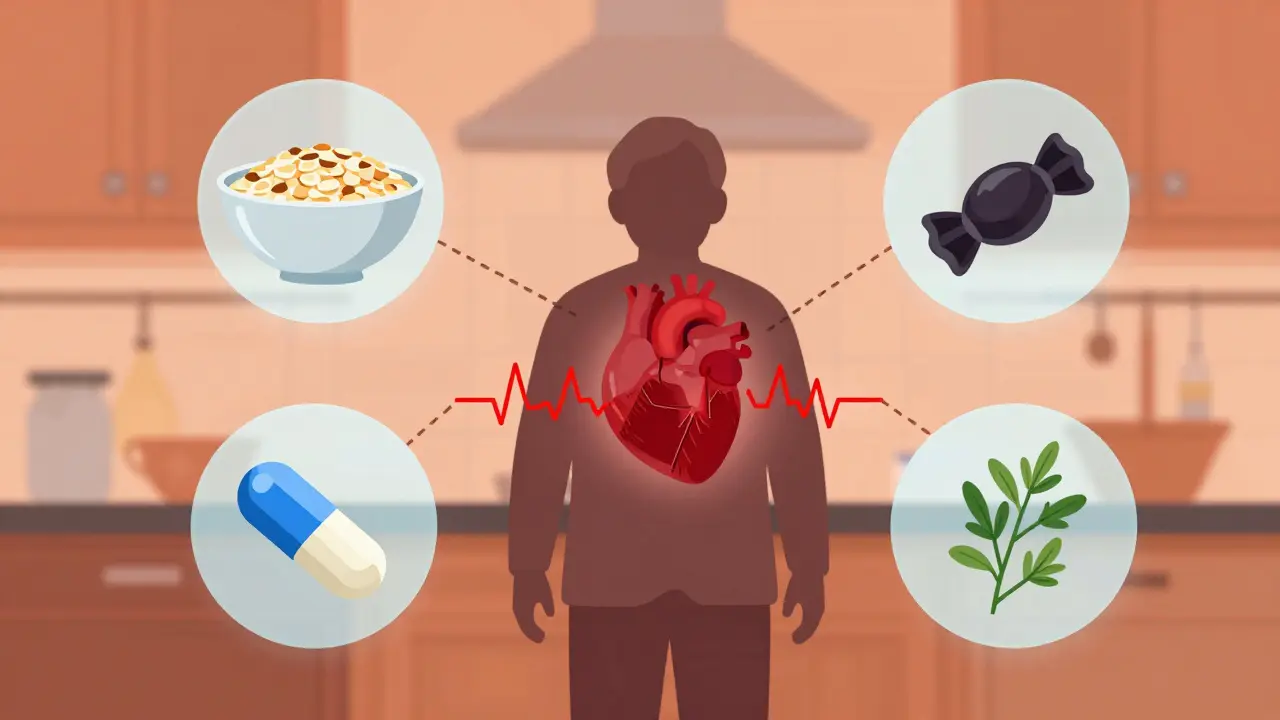
You don’t need a prescription to trigger a digoxin interaction. Your kitchen cabinet and pantry hold several substances that can disrupt your therapy. The Heart and Stroke Foundation of Canada specifically warns against black licorice. It contains glycyrrhizin, which causes your kidneys to excrete potassium. Since hypokalemia (low potassium) makes your heart muscle hypersensitive to digoxin, eating black licorice can precipitate dangerous arrhythmias.
Fiber is another silent saboteur. High-fiber foods like oatmeal, bran, and milk can bind to digoxin in the gut, reducing absorption by 20-25%. A study in the Journal of Clinical Pharmacology (2019) confirmed that over-the-counter antacids containing aluminum and magnesium can decrease digoxin absorption by up to 30%. If you take your pill with an antacid or a bowl of high-fiber cereal, you might not be getting the full dose, leading to unstable heart control.
Herbal supplements are equally tricky. St. John’s wort induces P-glycoprotein, effectively flushing digoxin out of your system faster and lowering levels by 25%. Conversely, hawthorn can have additive effects on the heart’s electrical system, potentially prolonging the QT interval. Psyllium fiber supplements can reduce absorption by 30-40% if taken within two hours of your digoxin dose.
Recognizing the Signs of Toxicity
Because digoxin affects multiple systems, toxicity symptoms can be vague and easily mistaken for other issues. According to a 2021 survey by the Heart Failure Society of America, gastrointestinal symptoms are the most common early warning signs. Nausea affects 68% of toxic patients, vomiting 42%, and diarrhea 35%. If you suddenly feel sick to your stomach after years of stable therapy, check your levels.
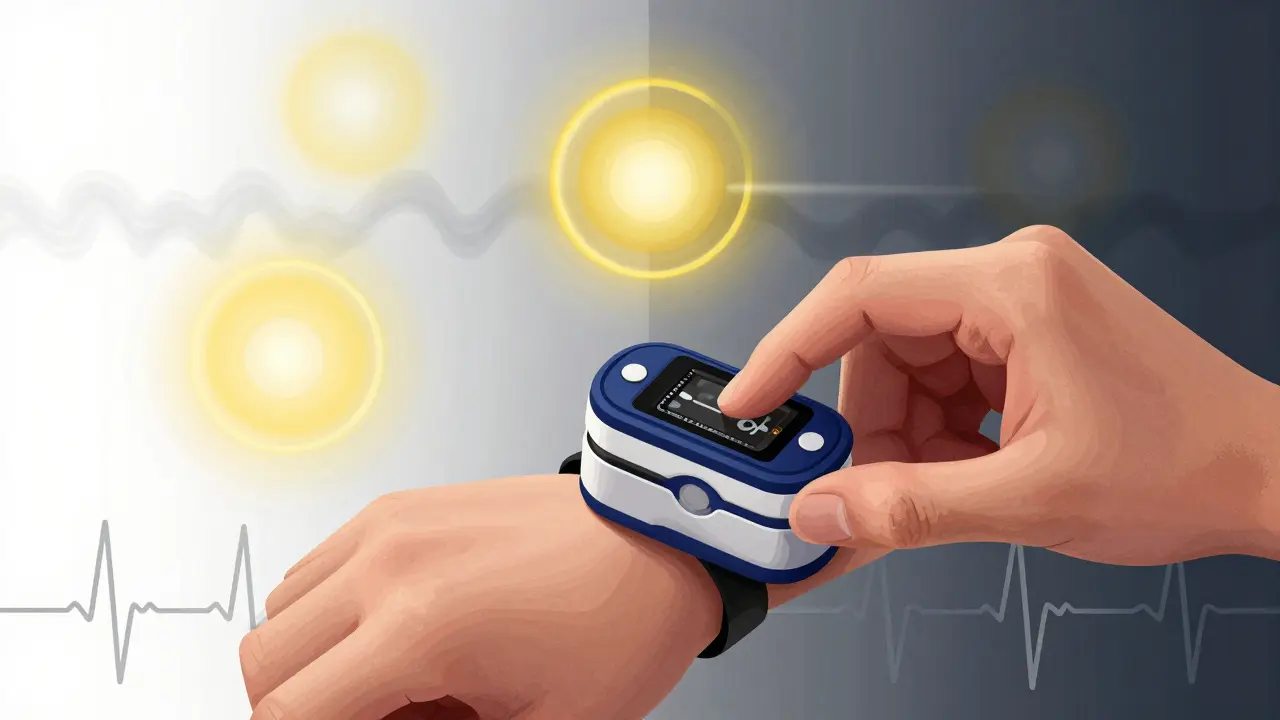
Visual disturbances are classic, though less common, indicators. Blurred vision occurs in 28% of cases, while photopsia (seeing yellow halos around lights) appears in 15%. Cardiac symptoms include irregular heartbeats, extreme fatigue, and confusion, especially in older adults. Remember, elderly patients (over 75) are 2.8 times more likely to experience toxicity than younger patients due to reduced kidney function and lower body mass.
A Practical Monitoring Plan
Managing digoxin requires a proactive approach. You cannot rely solely on how you feel. Here is a checklist based on the American College of Cardiology’s 2022 Expert Consensus Decision Pathway:
- Timing is Everything: Take digoxin at the same time every day. Separate it from high-fiber foods, antacids, and psyllium supplements by at least two hours to ensure consistent absorption.
- Regular Blood Work: Stable patients should have serum digoxin levels checked every 3-6 months. However, if you start a new interacting medication (like an antibiotic or antiarrhythmic), weekly monitoring is recommended until levels stabilize.
- Watch Your Electrolytes: Check serum potassium monthly. Diuretics (water pills) often prescribed for heart failure can deplete potassium. Keeping potassium between 4.0 and 5.0 mmol/L protects your heart from digoxin-induced arrhythmias.
- Know Your Risk Score: Use the 2023 ACC toxicity risk score. Add points for age >75, low potassium, high creatinine, high dose (>0.25 mg/day), or use of amiodarone/verapamil. A score of 5 or higher means you are high-risk and require closer supervision.
- Communicate Changes: Always tell any doctor prescribing you a new medication that you are on digoxin. This includes dentists prescribing antibiotics and dermatologists prescribing topical steroids, which can also affect electrolyte balance.
When to Seek Immediate Help
If you experience severe nausea, visual halos, or a heart rate consistently below 50 bpm, contact your cardiologist immediately. Do not wait for your next scheduled appointment. In emergency situations, such as suspected overdose or severe arrhythmia, go to the nearest emergency department. Bring a list of all your current medications, including over-the-counter drugs and supplements.
While digoxin usage has declined by 35% since 2000 due to safer alternatives, it remains a vital, cost-effective option for many. With careful monitoring and awareness of these interactions, you can harness its benefits while minimizing the risks. Stay informed, stay vigilant, and keep your healthcare team closely involved in your care plan.
Can I take antacids with digoxin?
You should avoid taking antacids containing aluminum or magnesium at the same time as digoxin. These minerals can bind to the drug in your stomach, reducing its absorption by up to 30%. Wait at least two hours after taking digoxin before using an antacid to ensure you get the full therapeutic dose.
Does black licorice really interact with digoxin?
Yes, black licorice is dangerous for digoxin users. It contains glycyrrhizin, which causes your body to lose potassium. Low potassium levels (hypokalemia) make your heart muscle extremely sensitive to digoxin, significantly increasing the risk of toxic arrhythmias even if your digoxin blood levels appear normal.
How often should I get my digoxin levels checked?
For stable patients, serum digoxin levels should be monitored every 3 to 6 months. However, if you start a new medication that interacts with digoxin (such as antibiotics or antiarrhythmics), your doctor may recommend weekly testing until your levels stabilize. Also monitor potassium levels monthly.
What are the first signs of digoxin toxicity?
The earliest signs are often gastrointestinal, including nausea, vomiting, and loss of appetite. Visual changes like blurred vision or seeing yellow halos around lights are also classic symptoms. Cardiac symptoms include a slow or irregular heartbeat, dizziness, and extreme fatigue. If you notice these, seek medical attention promptly.
Can high-fiber foods affect digoxin absorption?
Yes, high-fiber foods like oatmeal, bran, and psyllium supplements can bind to digoxin in the digestive tract, reducing absorption by 20-40%. To maintain stable drug levels, take digoxin at least two hours before or after consuming high-fiber meals or supplements.

Comments
I completely understand why this information is vital for everyone managing heart conditions 💖. It is truly empowering to know exactly how our bodies interact with medication rather than feeling helpless. Many of us are unaware that simple things like black licorice or high fiber can have such significant impacts on our therapy. Having this detailed checklist helps reduce anxiety because we now have concrete steps to follow instead of guessing. Please remember that you are not alone in this journey and there is always support available if you feel overwhelmed by these guidelines. Taking charge of your health through knowledge is the best way to ensure long term stability and peace of mind for yourself and your loved ones 🌟.
As a pharmacist I see this confusion daily and it drives me crazy 😩. People think digoxin is safe because it is old but the narrow therapeutic index means one missed potassium check can lead to hospitalization. The interaction with amiodarone is particularly nasty because it blocks P-glycoprotein transporters which essentially traps the drug in your system causing levels to double overnight. You cannot ignore the role of gut flora either since erythromycin wipes out the bacteria that metabolize digoxin leading to unpredictable spikes. Always separate your dose from antacids by at least two hours otherwise you are literally flushing money down the toilet and risking subtherapeutic effects. Monitor your creatinine clearance monthly because kidney function declines silently with age and what was a safe dose five years ago may be toxic today 📉. Trust the data not your feelings because nausea is often the last sign before arrhythmia sets in.
The article states clearly that potassium levels below 3.5 mmol/L potentiate toxicity. This is a medical fact supported by numerous clinical trials. Patients should adhere strictly to the recommended monitoring schedule outlined in the text. Deviating from these guidelines poses unnecessary risks to cardiac stability. It is important to respect the boundaries set by healthcare professionals regarding dosage adjustments. Self medicating with supplements while on digoxin is dangerous and should be avoided entirely. Follow the protocol provided by your cardiologist without deviation.
It is frankly embarrassing how many patients ignore basic pharmacology principles when prescribed digoxin. If you are too stupid to read a label or understand that fiber binds to drugs then perhaps you do not deserve the privilege of managing your own care. The elite among us who actually read medical journals know that hypokalemia is the primary driver of toxicity yet here we are discussing oatmeal like it is some new discovery. Your ignorance is killing you slowly and complaining about side effects is pathetic when you refuse to comply with simple dietary restrictions. Educate yourselves or get off my lawn.
This post highlights the delicate balance between modern medicine and traditional wisdom. We must consider the philosophical implications of relying on synthetic interventions versus holistic approaches to heart health. While digoxin serves its purpose it reminds us of the fragility of human biology and the need for constant vigilance. Perhaps the real lesson here is not just about monitoring levels but about cultivating a deeper awareness of how our choices impact our wellbeing. Let us embrace this knowledge as a tool for empowerment rather than fear. True healing comes from understanding the interconnectedness of diet lifestyle and medication.
Boring.
omg this is soo helpful thank u so much for sharing this info!! i had no idea black licorice could be so bad for digoxin users 😱. im gonna tell my mom right away because she eats that stuff all the time and takes her meds. its crazy how small things can affect ur heart health huh? glad i found this article cause now i know what to watch out for. stay strong everyone u got this!! 💪✨
Why are you guys so obsessed with this drug anyway? It feels like everyone is jumping on the bandwagon to complain about side effects. My uncle took it for years and never checked his levels once and he is still alive. You people make everything seem like an emergency. Just take the pill and stop whining about interactions. Life is short enough without worrying about every single food item you put in your mouth. Get over yourselves.