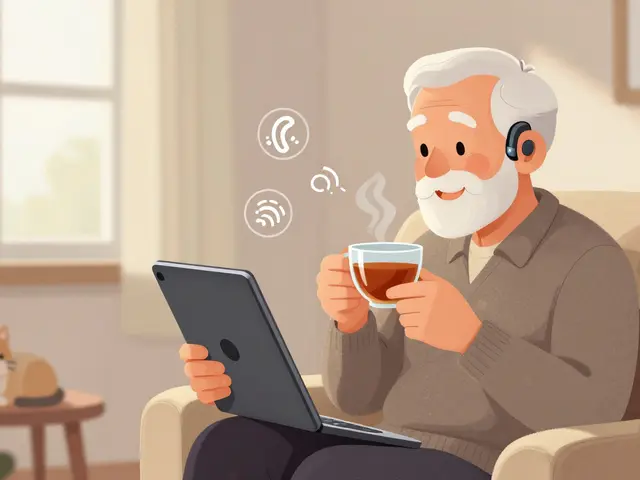
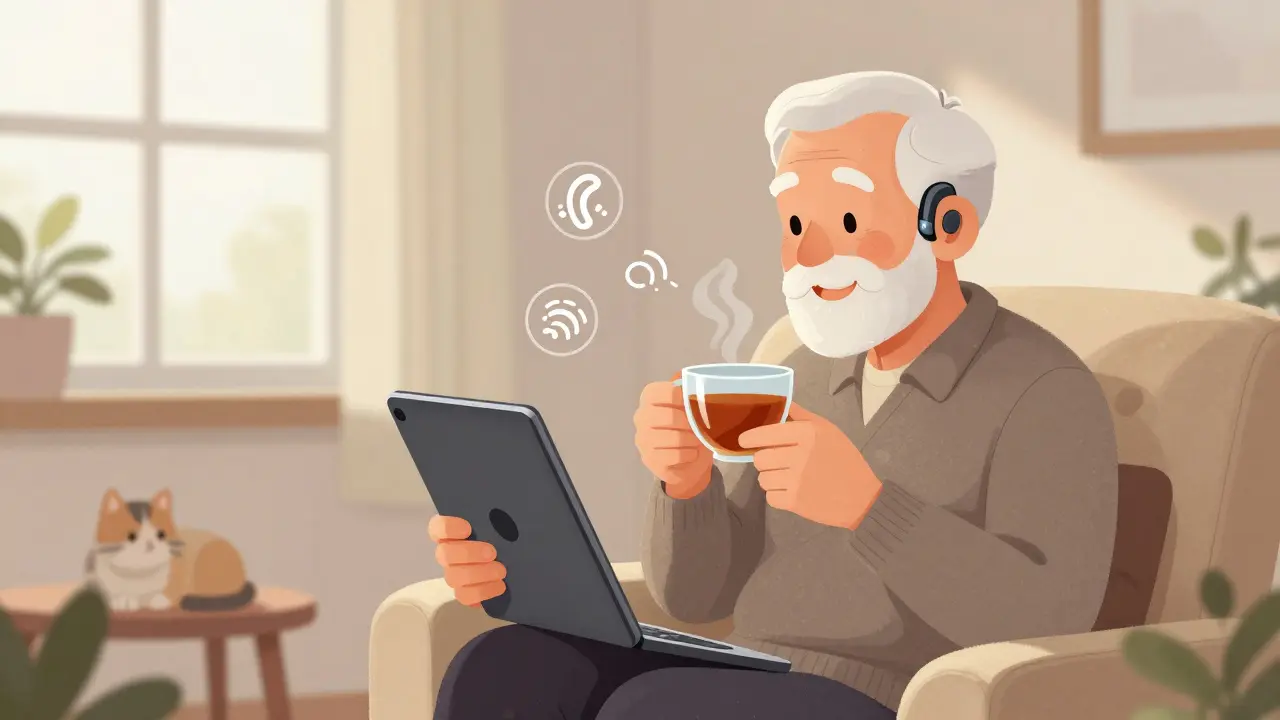
Imagine skipping a two-hour drive to the audiologist just to get your hearing aids tweaked. No more waiting in crowded clinics, no more arranging rides for elderly relatives, no more canceling appointments because of bad weather. That’s the reality of teleaudiology today - and it’s not science fiction. It’s happening right now, in living rooms across the UK, the US, and beyond.
What Exactly Is Teleaudiology?
Teleaudiology is the use of video calls, apps, and remote tools to deliver hearing care without needing to step into a clinic. It’s not just about video chats. It includes remote hearing tests, real-time hearing aid programming, follow-up counseling, and even automatic adjustments based on how you’re using your devices in daily life. The core idea? If you can connect to the internet, you can get professional hearing care.This isn’t new. The concept has been around since the 1950s, used mostly to reach people in remote areas. But it exploded during the pandemic. By 2022, nearly half of hearing care providers were using teleaudiology for routine adjustments and check-ins. Today, over 60% of audiology practices in the US offer some form of remote service - up from just 12% in 2019.
How It Works: Two Ways to Connect
There are two main ways teleaudiology works: asynchronous and synchronous.Asynchronous means you do something on your own, and the audiologist reviews it later. For example, you might use a smartphone app to take a hearing test in a quiet room. The app plays tones at different volumes and pitches. You press a button when you hear them. The results get sent securely to your provider, who then sends back a report and possible settings change for your hearing aids.
Synchronous is live. You hop on a video call with your audiologist, just like a Zoom meeting. They can guide you through real-time tests, adjust your hearing aids on the spot, and even watch you try out different listening environments - like your kitchen or the car - to fine-tune the sound. Some systems, like hear.com’s Clinic-in-a-Box®, let the audiologist control your hearing aids remotely during the call. You don’t need to touch your phone. They do it for you.
Both methods rely on Bluetooth-enabled prescription hearing aids from major brands: Phonak, ReSound, Oticon, Starkey, and Widex. These devices connect to apps like myPhonak, ReSound Smart, or Signia App, which act as your remote control.
Who Benefits the Most?
The biggest winners? People who live far from clinics. In rural areas, many patients travel over 50 miles just to see an audiologist. That’s a full day gone - and it costs around $87 per trip in gas, time, and lost wages. Teleaudiology cuts that to zero. One study found 78% of rural patients gained access to care for the first time because of remote services.Older adults with mobility issues also benefit hugely. One user in Manchester, 74, with arthritis and a bad hip, told me (in a recent Reddit thread) that since switching to remote adjustments, he hasn’t missed a single appointment. “I used to dread the drive,” he said. “Now I do it while sipping tea.”
Even people in cities find it useful. Busy professionals, parents with young kids, or anyone who hates waiting rooms appreciate the convenience. And it’s not just for follow-ups. Many now start their hearing journey remotely - taking an initial screening online before deciding if they need a full in-person evaluation.
How Accurate Is It?
You might wonder: Can a test done at home really match what happens in a soundproof booth?Yes - if conditions are right. In quiet, controlled home environments, remote hearing tests are 92-95% accurate compared to clinic tests. That’s nearly identical. But if your kitchen is noisy, your Wi-Fi drops, or your headphones aren’t seated right, accuracy can drop to 78-85%.
That’s why audiologists recommend:
- Use wired headphones if Bluetooth keeps dropping
- Test in the quietest room you have - no TV, no dishwasher running
- Use cellular data if your home Wi-Fi is slow (minimum 5 Mbps upload/download)
- Follow the app’s instructions exactly - timing matters
For hearing aid adjustments, the accuracy is even better. Most fine-tuning tasks - reducing feedback, boosting speech in noise, lowering background hum - work just as well remotely as in person. In fact, patients report higher satisfaction with remote adjustments because the audiologist can hear how the device performs in your real environment - not a lab.
What It Can’t Do
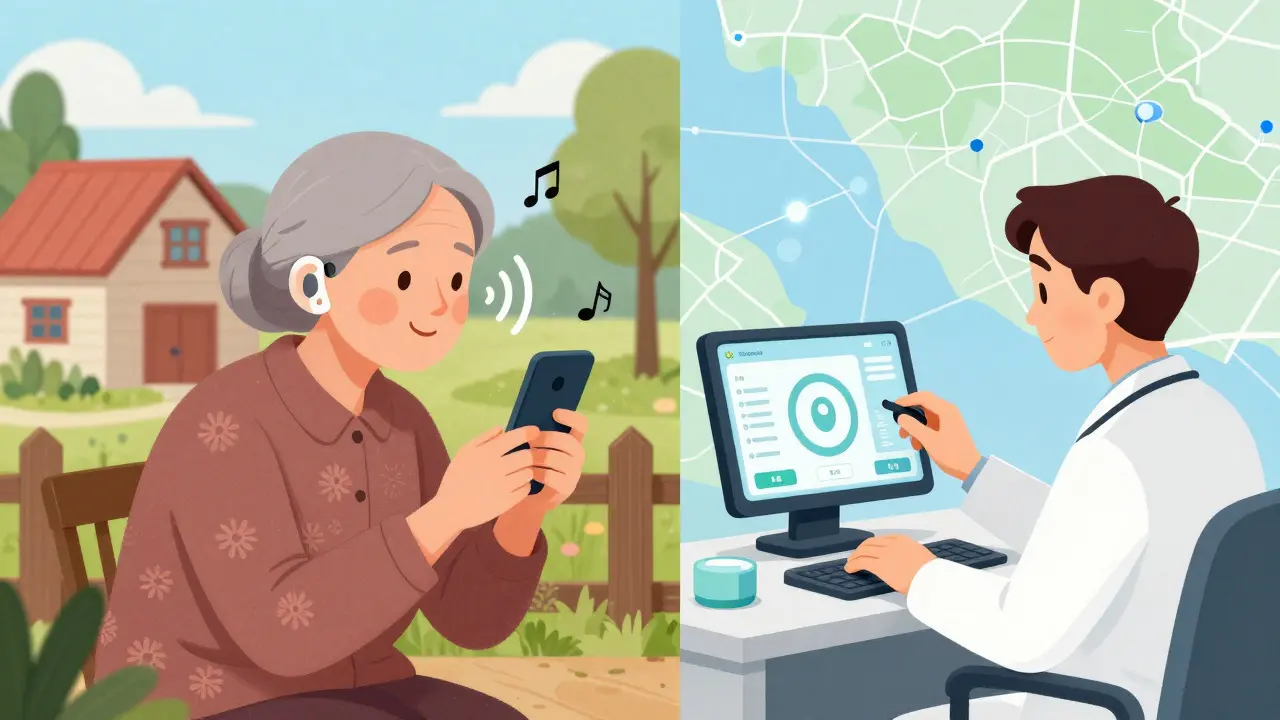
Teleaudiology is powerful, but it’s not magic. There are limits.First, no one can look inside your ear remotely. That means they can’t check for earwax blockage, infections, or structural issues. About 12-15% of patients who start with teleconsults later need an in-person visit because of something the audiologist couldn’t see. One woman in California had three failed remote sessions trying to fix buzzing in her hearing aids - only to find out her ear was packed with wax. A simple cleaning at the clinic fixed everything.
Second, complex cases still need face-to-face care. If you have sudden hearing loss, dizziness, or tinnitus that’s getting worse, you need an in-person evaluation. Teleaudiology is best for stable, ongoing care - not emergencies.
Third, not all insurance covers it. Medicare only pays for tele-audiology in 18 US states. In the UK, NHS coverage is limited to specific pilot programs. Most private insurers are catching up, but you’ll need to check your plan.
Cost Comparison: Remote vs. In-Person
A typical in-person hearing aid adjustment costs between $140 and $180. A remote session? $120-$150. That’s a 15-20% savings. For patients who need monthly check-ins, that adds up fast.Some manufacturers offer premium remote services with monthly subscriptions. Phonak’s Remote Support, for example, costs $29.99/month. That includes unlimited adjustments, 24/7 tech support, and automatic updates based on your usage patterns. For frequent users, it’s worth it.
Independent clinics often charge less than big chains for remote visits - sometimes as low as $80. And many now bundle the first remote consultation free with new hearing aid purchases.
Getting Started: A Simple Step-by-Step Guide
If you’re curious, here’s how to begin:- Check if your hearing aids are Bluetooth-enabled. Look for the brand’s app on your phone’s app store.
- Download the app (myPhonak, ReSound Smart, Oticon ON, etc.) and create an account.
- Link your hearing aids to the app. This usually takes 5-10 minutes.
- Contact your audiologist and ask if they offer teleaudiology. Most do now.
- Book your first virtual appointment. Many clinics offer a 30-minute onboarding session to walk you through the process.
Most users - even those over 65 - get comfortable after one tutorial. Only 24% of negative reviews mention difficulty using the app. The rest are about connectivity or unexpected issues that needed in-person help.
Real User Stories
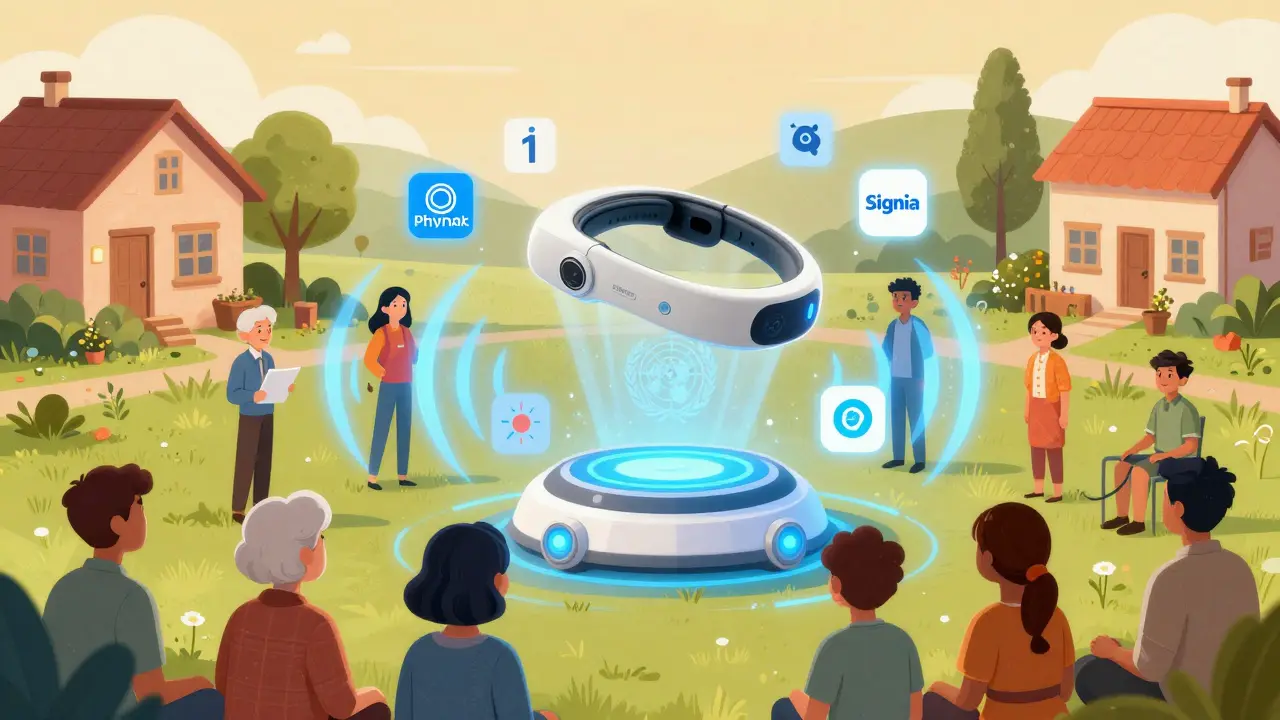
One 72-year-old in rural Montana had persistent feedback from his hearing aids - that high-pitched squeal. He tried three 15-minute remote sessions over two weeks. Each time, the audiologist adjusted the settings based on what he described: “It happens when I’m talking to my granddaughter.” After the third session, the feedback vanished. He avoided four 4-hour round trips to the city.Another user in London, 81, with Parkinson’s, said remote care saved her independence. “I used to need my daughter to drive me. Now I do it myself. I feel in control again.”
But not all stories are smooth. One man in Texas had three failed attempts to fix his hearing aids remotely. His internet kept cutting out. He switched to cellular data and finally got it working. “It’s not perfect,” he said. “But it’s better than nothing.”
The Future Is Here
The market for teleaudiology is growing fast. It was worth $1.2 billion in 2019. By 2023, it hit $4.7 billion. Experts predict it will handle 55-60% of all hearing aid follow-ups by 2027.New tech is making it smarter. Widex launched AI-powered automatic adjustments in late 2023 - your hearing aids now detect if you’re in a noisy restaurant and adjust without you lifting a finger. Signia integrated teleaudiology with over-the-counter (OTC) hearing aids in early 2024, opening the door for millions more people who don’t need prescription devices.
The FDA updated its guidelines in April 2024 to support wider use of remote care for OTC aids. That could expand access to 40 million Americans who’ve never considered hearing aids before.
And globally, the WHO calls teleaudiology “critical” to solving the coming shortage of 200,000 hearing professionals by 2030. In India, government-backed tele-audiology programs now serve 12 million rural residents.
Is It Right for You?
Ask yourself:- Do you live far from an audiologist?
- Do you have trouble driving or getting to appointments?
- Do you need frequent adjustments to your hearing aids?
- Are you comfortable using a smartphone or tablet?
If you answered yes to any of these, teleaudiology is likely a great fit.
If you have sudden hearing loss, ear pain, dizziness, or suspect earwax buildup, start with an in-person visit. Teleaudiology is a tool for ongoing care - not diagnosis.
For most people with stable hearing loss and Bluetooth-enabled hearing aids, remote care is not just convenient. It’s better. It’s faster. It’s cheaper. And it puts control back in your hands.
Can I really adjust my hearing aids remotely without seeing the audiologist in person?
Yes. Most routine adjustments - like reducing feedback, boosting speech in noise, or lowering background sounds - can be done remotely using apps and video calls. Your audiologist can change settings in real time while you’re in your own environment, which often leads to better results than a clinic setting. However, if your hearing aids aren’t Bluetooth-enabled or you have a complex issue like sudden hearing loss, you’ll still need an in-person visit.
Do I need special equipment for teleaudiology?
You need a smartphone or computer with a stable internet connection (at least 5 Mbps), Bluetooth-enabled prescription hearing aids (from brands like Phonak, ReSound, Oticon, etc.), and the manufacturer’s app installed. You don’t need extra hardware unless your provider uses a specialized remote testing kit. Most people already have what they need.
Is teleaudiology accurate for hearing tests?
In quiet, controlled environments, remote hearing tests are 92-95% as accurate as in-clinic tests. But if your home is noisy, your internet is slow, or you’re not following instructions, accuracy drops to 78-85%. Audiologists recommend testing in a quiet room, using wired headphones if Bluetooth is unreliable, and ensuring your device is fully charged.
Can teleaudiology detect earwax or infections?
No. Teleaudiology cannot replace physical ear exams. Audiologists can’t see inside your ear canal during a video call. If you have ear pain, fullness, or sudden hearing changes, you need an in-person visit. About 12-15% of patients who start remotely end up needing one for issues like earwax blockage or infection.
Is teleaudiology covered by insurance?
Coverage varies. In the US, Medicare only reimburses tele-audiology in 18 states. Private insurers are slowly expanding coverage. In the UK, NHS coverage is limited to pilot programs. Always check with your provider. Many clinics offer discounted or free remote consultations with new hearing aid purchases.
What if my internet cuts out during a session?
Switch to your phone’s cellular data. Many people find their home Wi-Fi is too slow or unstable. Using mobile data often solves the problem. If the call drops, your audiologist will usually call you back or send instructions via secure messaging. Most major manufacturers offer 24/7 tech support with average response times under 10 minutes.
Are there age limits for using teleaudiology?
No. Research shows 82% of users aged 65 and older successfully use teleaudiology apps after minimal guidance. Many seniors prefer it because it eliminates travel. Clinics often offer free onboarding sessions to walk older users through the process. If you can use a smartphone for video calls or email, you can use teleaudiology.
How much does a remote hearing aid adjustment cost?
A typical remote adjustment costs $120-$150, compared to $140-$180 for an in-person visit. Some manufacturers offer subscription services like Phonak’s Remote Support at $29.99/month for unlimited adjustments and 24/7 support. Independent clinics often charge less, and many include the first remote visit free with new hearing aid purchases.