Esketamine Treatment Session Simulator
Treatment Settings
Real-Time Vitals Monitor
Pre-Assessment
Blood pressure, heart rate, and oxygen saturation checked. Screening for acute anxiety or substance use.
Duration: 15-20 minutesAdministration
Self-administer nasal spray under direct observation. Rapid absorption begins immediately.
Duration: 5 minutesOnset Phase
Blood pressure begins to rise within 5 minutes. Initial feelings of detachment may start.
Duration: 15 minutesPeak Effects
Maximum dissociation and blood pressure spike occur. CADSS assessment performed. Vitals checked every 5-10 minutes.
Duration: 20 minutesRecovery Phase
Blood pressure gradually returns to baseline. Dissociation intensity decreases significantly.
Duration: 30 minutesStabilization
Vitals continue normalizing. Final dissociation assessment using CADSS scale.
Duration: 15 minutesDischarge Assessment
Final vitals check. Discharge criteria evaluation. Transportation arrangements confirmed.
Duration: 15-20 minutesDischarge Criteria Checklist
Understanding Esketamine’s Unique Side Effects
When you hear about Esketamine nasal spray, also known by its brand name Spravato, it is a breakthrough treatment for depression that works differently than traditional antidepressants. It targets the brain's glutamate system rather than serotonin or dopamine. This unique mechanism brings rapid relief for many with treatment-resistant depression, but it comes with a specific set of challenges. The two most prominent are dissociation and temporary spikes in blood pressure.
If you are considering this treatment, or if you have just started it, knowing what to expect can make all the difference. These side effects aren't just minor annoyances; they are significant physiological responses that require careful handling. That is why the U.S. Food and Drug Administration (FDA) mandated a strict safety program called the Risk Evaluation and Mitigation Strategy (REMS). You cannot buy this medication at a pharmacy. You must receive it in a certified healthcare setting where professionals watch you closely before, during, and after each dose.
What Is Dissociation and Why Does It Happen?
Dissociation is often described as feeling detached from yourself or your surroundings. Imagine floating outside your body, watching events happen without feeling connected to them. For some, it feels like being in a vivid dream or a trance. Time might seem to slow down or speed up. In rarer cases, patients report hallucinations or a sense of unreality.
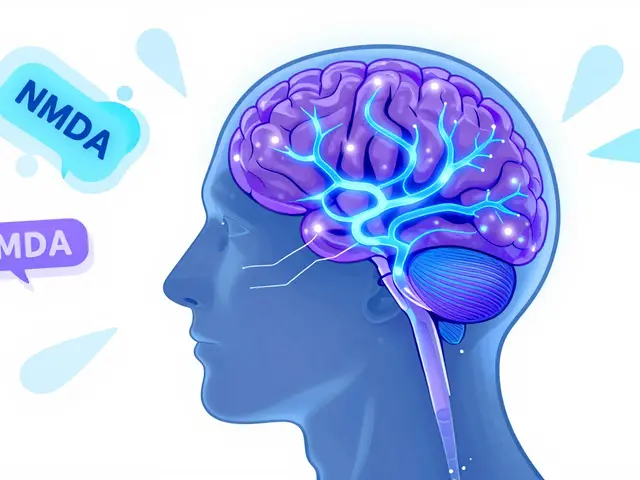
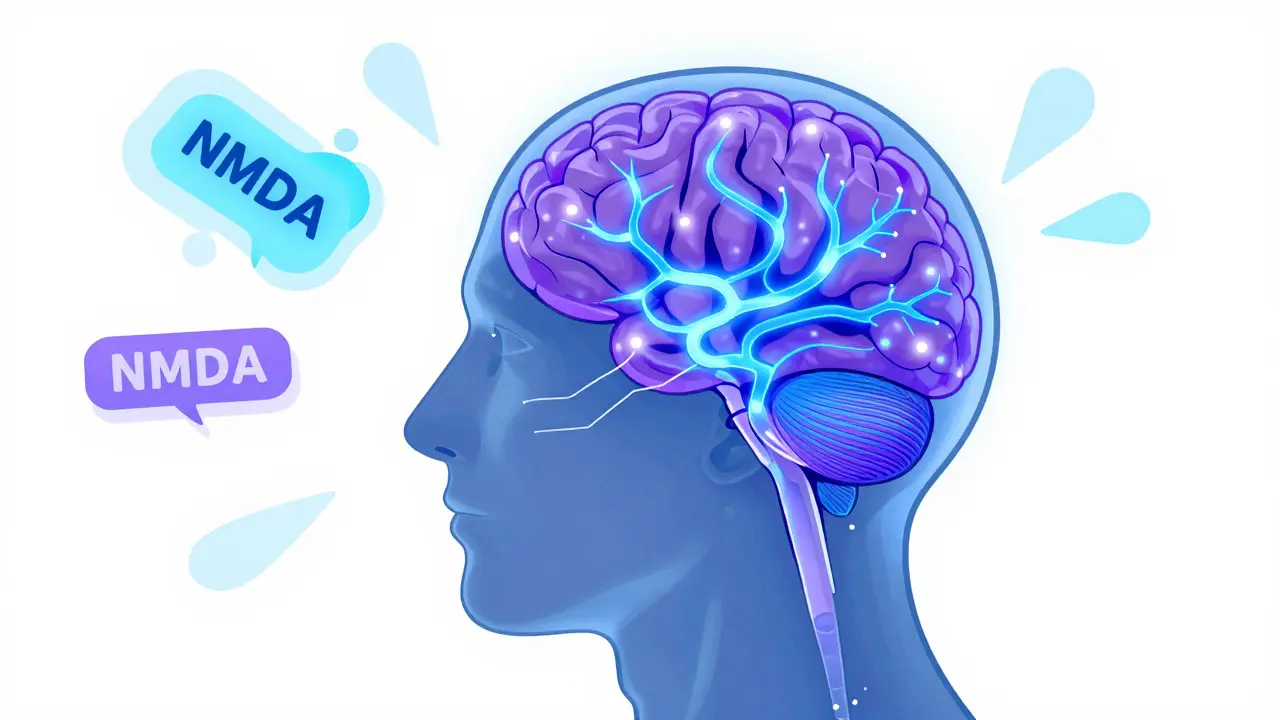
This happens because esketamine blocks N-methyl-D-aspartate (NMDA) receptors in the brain. Specifically, it inhibits these receptors on GABAergic interneurons. When these "brakes" in the brain are lifted, excitatory neurons fire more rapidly. This surge in neural activity is believed to drive the therapeutic benefits, but it also causes the dissociative state. According to clinical data, over 56% of patients taking esketamine experience some level of dissociation, compared to only 14% of those on a placebo.
The good news? It is temporary. Most people feel the peak effects within 40 minutes of administration. By the time the mandatory two-hour monitoring period ends, the majority of patients have returned to their baseline mental state. However, the intensity varies. Some feel mild dizziness, while others experience profound detachment. Healthcare providers use tools like the Clinician-Administered Dissociative States Scale (CADSS) to measure this objectively, ensuring you are safe to leave.

Blood Pressure Spikes: A Temporary But Serious Concern
While dissociation affects your mind, esketamine also impacts your cardiovascular system. Within five minutes of spraying the medication into your nose, your blood pressure begins to rise. It typically peaks around the 40-minute mark-coinciding with the peak of dissociation-and then gradually returns to normal over the next hour or so.
In clinical trials, nearly one-third of patients experienced hypertension (high blood pressure) defined as systolic pressure ≥140 mmHg or diastolic ≥90 mmHg. The average increase was modest but significant enough to warrant caution. For most healthy individuals, this spike is asymptomatic. You won't necessarily feel a headache or chest pain. But for those with pre-existing heart conditions, uncontrolled hypertension, or a history of aneurysms, this transient rise can be risky.
This is why screening is critical. If your blood pressure is above 160/100 mmHg before treatment, you likely won't be able to take the dose that day. The goal is to ensure that the temporary stress on your cardiovascular system doesn't trigger a serious event. Your provider will check your vitals multiple times during the visit to catch any concerning trends early.
| Side Effect | Esketamine Group (%) | Placebo Group (%) | Typical Onset | Resolution Time |
|---|---|---|---|---|
| Dissociation | 56.2% | 13.9% | Within 20-40 mins | 1.5 - 2 hours |
| Hypertension (BP Spike) | 32.7% | 14.2% | Within 5 mins | 1.5 - 2 hours |
| Sedation/Drowsiness | Common | Rare | During administration | Variable |
The REMS Program: Why Monitoring Is Non-Negotiable
You might wonder why the process is so rigid. Why can't you just take it at home? The answer lies in the REMS program. This isn't just bureaucracy; it's a safety net designed to prevent adverse outcomes. Under REMS guidelines, every dose must be administered in a certified clinic. You will self-administer the spray under direct observation, but you are never alone.
Here is what a typical session looks like:
- Pre-Assessment: Your provider checks your blood pressure, heart rate, and oxygen saturation. They also screen for acute anxiety or substance use that could complicate the session.
- Administration: You receive the prescribed dose (28 mg, 56 mg, or 84 mg). The absorption is rapid, with peak levels in your blood reached within 20 to 40 minutes.
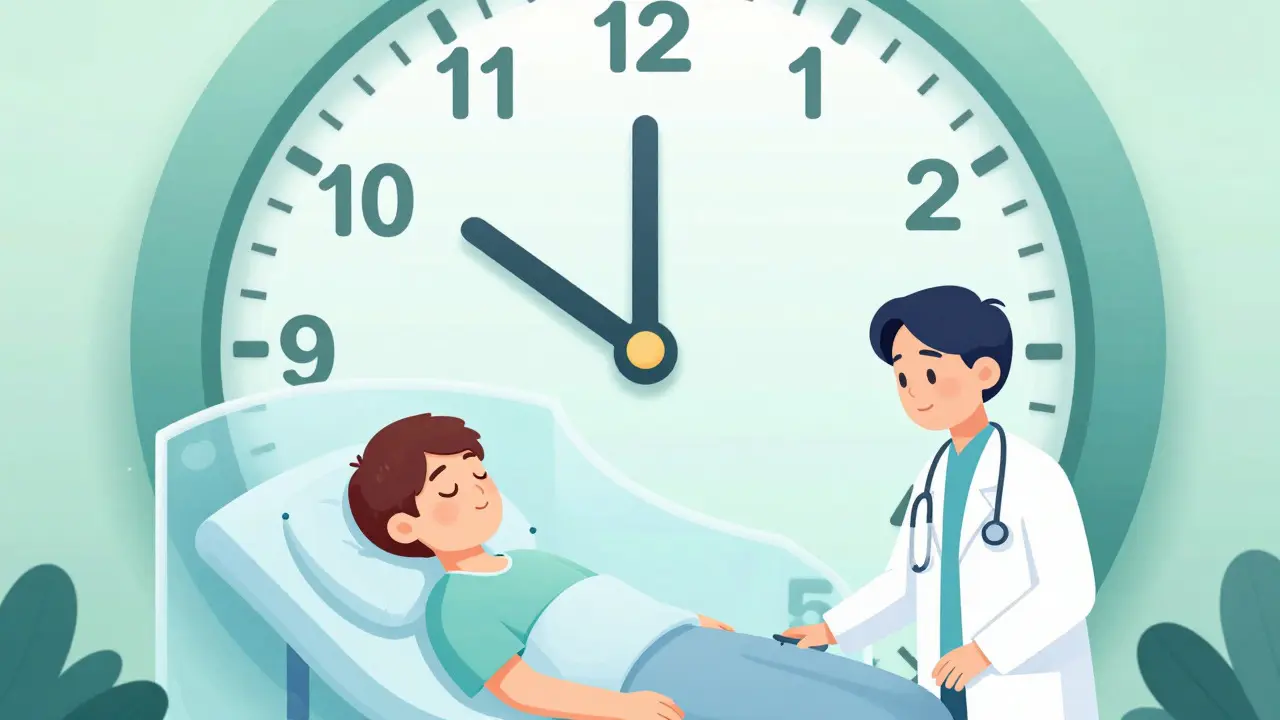
- Monitoring Period: You rest in a quiet room for at least two hours. Staff check your vitals every 5 to 10 minutes initially, then less frequently as you stabilize. They assess your dissociation levels using standardized scales.
- Discharge: You can only leave once your vital signs are stable and your dissociation has resolved to a safe level. You must have someone drive you home, as driving is prohibited for at least 24 hours.
This structure ensures that if something goes wrong-whether it's severe dissociation, excessive sedation, or a dangerous blood pressure spike-help is immediately available. Clinics are required to have emergency equipment, including oxygen and resuscitation tools, on hand.
Managing Anxiety and Practical Challenges
Knowing that you will feel "weird" or disconnected can be scary. Many patients report anxiety before their first few sessions. This is completely normal. One effective strategy is preparation. Talk to your provider about what to expect. Knowing that the dissociation peaks at 40 minutes and fades by the two-hour mark can provide a psychological anchor.
Practical challenges also exist. The two-hour commitment plus travel time means you need to block out half a day for each treatment. For working professionals or parents, this can be disruptive. Insurance authorization delays are another common hurdle. Many clinics now offer detailed pre-treatment education to reduce anxiety scores significantly. Some even use calming techniques during the session, such as soft lighting and minimal noise, to help manage the dissociative experience.
If you have a history of high blood pressure, work with your cardiologist. Sometimes, adjusting your antihypertensive medications temporarily can help keep your baseline numbers lower, giving you more room for the transient spike caused by esketamine. Never stop your blood pressure meds without medical advice, though.
Is It Worth It? Weighing Risks and Benefits
For adults with treatment-resistant depression who have failed at least two other antidepressants, esketamine offers hope where little existed before. Traditional antidepressants can take weeks or months to work, and they don't work for everyone. Esketamine can show effects within days. Experts like Dr. John Krystal from Yale note that while the monitoring requirements are stringent, the rapid relief for severe depression justifies the effort.
User experiences reflect this balance. Many report that the initial dissociation was intense but manageable, and it lessened with subsequent doses. Others found the blood pressure spikes too risky, especially if they had underlying cardiovascular issues. The key is individualized care. What works for one person may not be suitable for another.
As the market evolves, we may see changes in how monitoring is conducted. Recent FDA discussions suggest that for select patients with stable responses, the monitoring period might eventually be shortened. Digital health tools are also emerging to support remote assessment, potentially increasing access for those in rural areas. But for now, the two-hour clinic visit remains the standard of care.
How long does dissociation last after taking esketamine?
Dissociation typically peaks within 40 minutes of administration and generally resolves within 1.5 to 2 hours. Most patients return to their baseline mental state by the end of the mandatory two-hour monitoring period.
Can I drive myself home after an esketamine appointment?
No. Due to the risk of residual sedation and dissociation, you must have someone else drive you home. Driving is prohibited for at least 24 hours after treatment to ensure safety.
What happens if my blood pressure gets too high during treatment?
Your provider monitors your blood pressure closely. If it rises dangerously, they may delay discharge until it stabilizes. In rare cases, they might administer medication to lower it. Pre-screening helps avoid this by excluding patients with uncontrolled hypertension.
Why do I have to stay at the clinic for two hours?
The two-hour stay is required by the FDA's REMS program to monitor for acute side effects like dissociation, sedation, and blood pressure spikes. This ensures immediate medical attention is available if needed.
Does the dissociation get worse with more doses?
Not necessarily. Many patients report that dissociation becomes less intense with repeated treatments. Tolerance to some side effects can develop, making subsequent visits easier to manage.