Pregnancy & Antidepressant Risk Estimator
Your Scenario
Key Statistics
- Untreated Depression Preterm Birth Risk: +40%
- Relapse Rate (Stopping Meds): 68%
- SSRI Neonatal Adaptation: ~30%
Imagine finding out you’re pregnant and immediately facing a terrifying choice: keep taking the medication that keeps your depression at bay, or stop to protect your baby? For millions of women, this isn’t a hypothetical scenario-it’s a daily reality. The fear of harming your unborn child is powerful, but so is the danger of leaving severe depression untreated. Recent data from 2025 and 2026 has shifted the conversation significantly, moving away from vague warnings toward clear, evidence-based guidance that prioritizes both maternal and fetal health.
The short answer? For most women with moderate to severe depression, staying on antidepressants-particularly SSRIs-is safer than stopping. However, the decision requires nuance, careful monitoring, and an understanding of specific drug risks. This guide breaks down the latest medical consensus, side effects, and safety considerations so you can have an informed discussion with your healthcare provider.
Why Untreated Depression Is a Major Risk
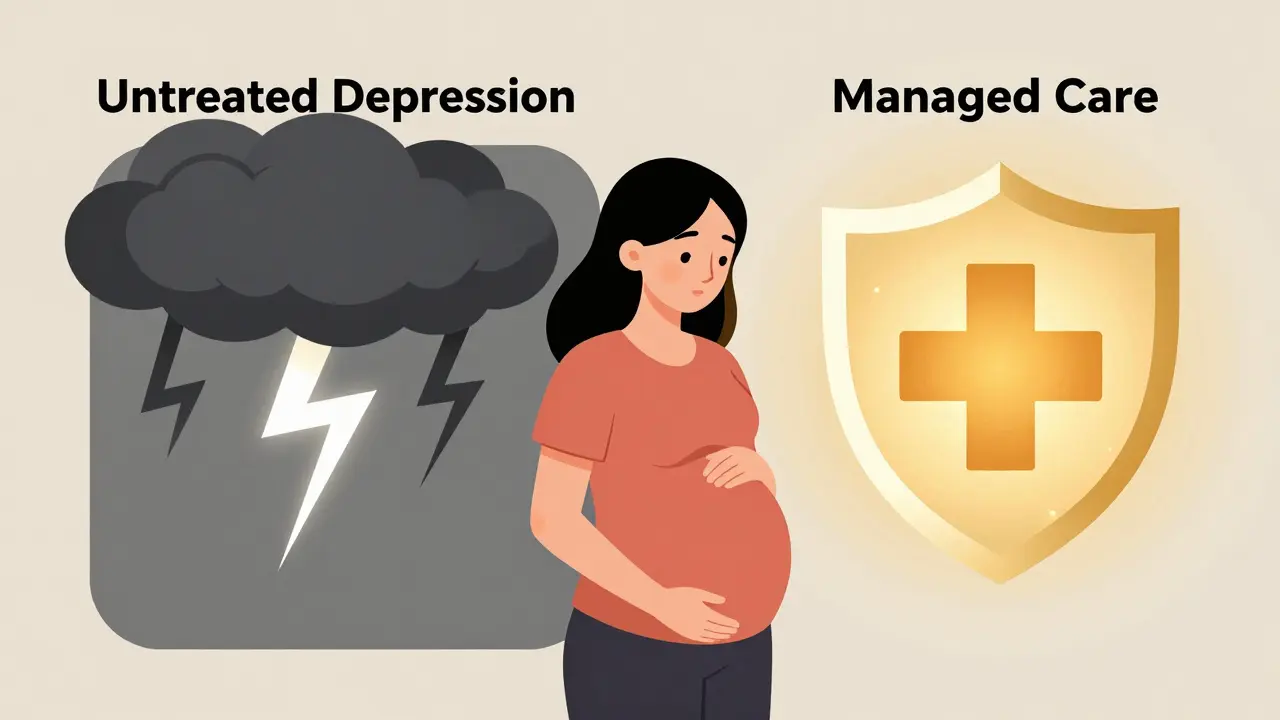
To understand why doctors often recommend continuing medication, we first need to look at what happens when depression goes untreated during pregnancy. It’s not just about feeling sad; it’s a physiological stressor that affects the entire body. According to the Society for Maternal-Fetal Medicine (SMFM), depression affects approximately 14.5% of pregnant individuals in the United States. That’s one in seven pregnancies.
Leaving this condition unmanaged carries heavy consequences. Research shows that untreated depression increases the risk of preterm birth by 40% and low birth weight by 30%. There’s also a 25% increased risk of preeclampsia, a serious blood pressure condition. Beyond physical outcomes, mental health struggles lead to a 50% decrease in appropriate prenatal care utilization. Simply put, depressed mothers are less likely to attend checkups, eat well, or avoid harmful substances like alcohol and tobacco.
The stakes are even higher for maternal survival. Mental health conditions accounted for 23.4% of pregnancy-related deaths in the U.S. between 2017 and 2019, making it the leading cause category according to CDC data. A 2024 cohort study of nearly 1 million women found that untreated depression triples the risk of suicidal behavior. When weighing risks, the danger of stopping treatment often outweighs the potential side effects of the medication itself.
SSRIs: The Gold Standard for Treatment
Selective serotonin reuptake inhibitors (SSRIs a class of antidepressants that work by increasing serotonin levels in the brain) are the most commonly prescribed medications for depression during pregnancy. They include drugs like sertraline, citalopram, escitalopram, and fluoxetine. Since their introduction in the late 1980s, they have become the primary pharmacological option due to their relatively favorable safety profile compared to older classes like tricyclic antidepressants.
In 2025, the SMFM issued a strong statement clarifying that available data consistently show SSRI use during pregnancy is not associated with congenital anomalies, fetal growth problems, or long-term developmental issues. This was a direct response to renewed scrutiny and aimed to reassure patients and providers alike. While early studies suggested slight risks, more rigorous research controlling for "indication bias" (the fact that sick people are sicker than healthy people) has largely debunked these fears.
| Medication | Safety Profile in Pregnancy | Key Considerations |
|---|---|---|
| Sertraline (Zoloft) | First-line recommendation | Extensive safety data; preferred initial choice due to low transfer to fetus. |
| Citalopram (Celexa) | Favorable | Good alternative if sertraline is ineffective; monitor heart rate at high doses. |
| Fluoxetine (Prozac) | Generally safe | Slightly higher risk of persistent pulmonary hypertension of the newborn (PPHN); long half-life. |
| Paroxetine (Paxil) | Avoid if possible | Higher teratogenic risk; linked to 1.5-2.0 fold increase in cardiac defects. |
Sertraline is generally considered the preferred initial SSRI because it has the most extensive safety data and lower placental transfer rates. If you were already stable on another SSRI before pregnancy, switching isn’t always necessary unless there are specific concerns. Stability matters more than perfection.
The Paroxetine Exception
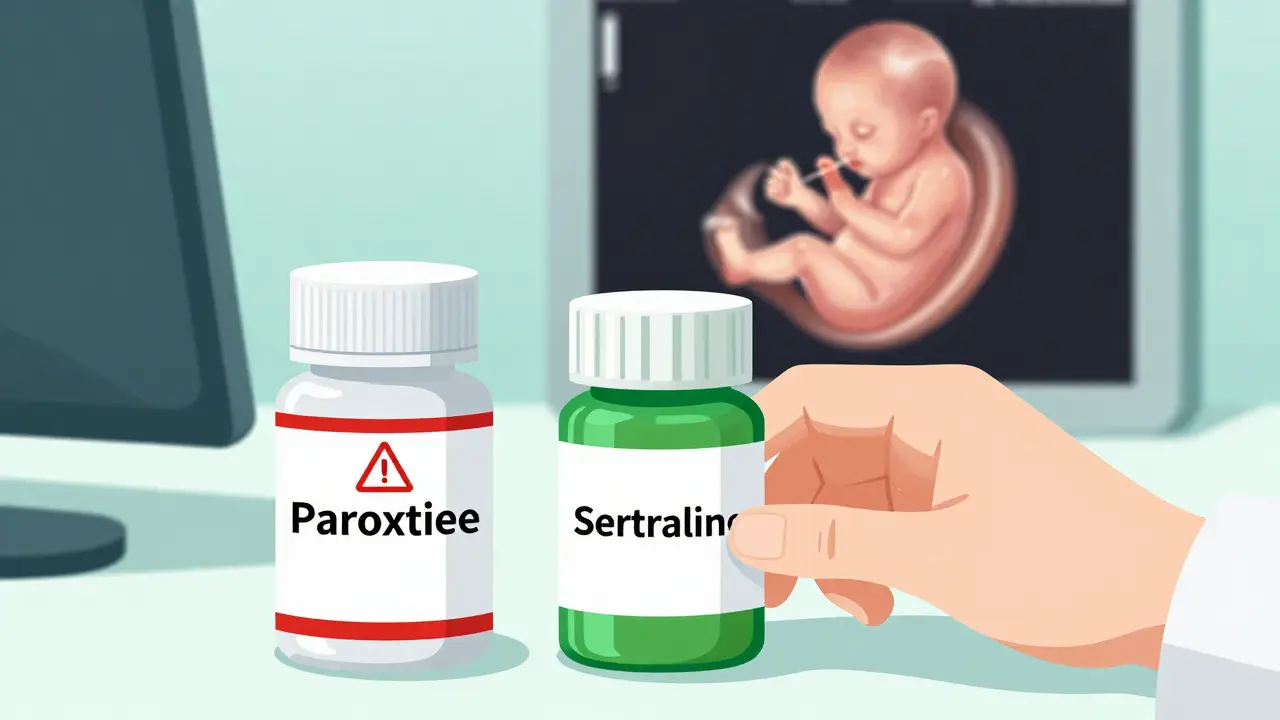
Not all antidepressants are created equal when it comes to pregnancy. Paroxetine an SSRI antidepressant with known higher risks during pregnancy stands out as a significant exception. Studies have documented a higher teratogenic risk, particularly for congenital heart defects. The risk is estimated at 1.5 to 2.0 times higher compared to other SSRIs. Because of this, clinical guidelines strongly recommend switching from paroxetine before conception or as early as possible in the first trimester if pregnancy occurs unexpectedly.
If you are currently taking paroxetine, do not stop abruptly. Contact your psychiatrist to discuss a gradual taper and switch to a safer alternative like sertraline or citalopram. Abrupt discontinuation can trigger severe withdrawal symptoms and rapid relapse of depression, which poses immediate dangers to both you and the pregnancy.
Neonatal Adaptation Syndrome: What to Expect
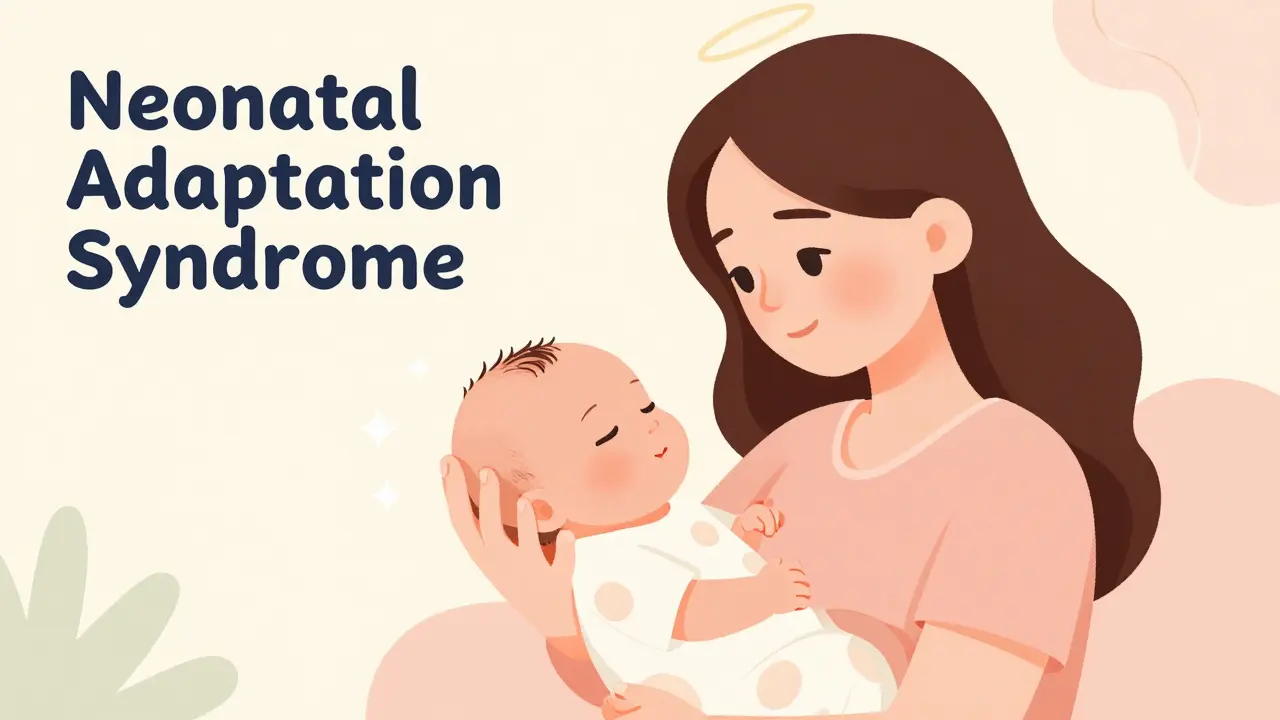
One of the most common concerns for new parents is how the medication will affect the baby after birth. Approximately 30% of infants exposed to SSRIs in the third trimester may experience transient symptoms known as Neonatal Adaptation Syndrome (NAS). This is not a permanent condition, but it does require awareness.
Symptoms typically include jitteriness, mild respiratory distress, feeding difficulties, or excessive crying. These signs usually appear within the first 48 hours after birth and resolve spontaneously within two weeks without long-term consequences. The key here is communication. Inform your pediatrician and delivery team that you took SSRIs during pregnancy. This allows them to monitor the baby closely and provide supportive care if needed, rather than misdiagnosing normal newborn adjustments as something more serious.
Persistent Pulmonary Hypertension of the Newborn (PPHN) is another rare concern, primarily associated with fluoxetine. The risk is small-approximately 5-6 cases per 1,000 births compared to 2-3 per 1,000 in unexposed populations-but it is serious. Your obstetrician will weigh this small statistical risk against the certainty of your mental health needs.
The Danger of Stopping Medication
Despite guidelines recommending continued treatment, many women stop their antidepressants upon discovering they are pregnant. A January 2025 study published in JAMA Network Open revealed a concerning trend: a 50% decrease in antidepressant refills among pregnant women compared to the year before pregnancy. Alarmingly, there was no corresponding increase in psychotherapy utilization.
The result? High relapse rates. Studies show that 68% of pregnant women who discontinue antidepressants experience a relapse of depression, compared to only 26% of those who continue medication. Relapsing depression during pregnancy is dangerous. It leads to poor nutrition, lack of sleep, substance abuse, and in worst-case scenarios, self-harm. The American College of Obstetricians and Gynecologists (ACOG) emphasizes that it is not advised to suddenly stop medication. Instead, adjust dosages or switch medications under strict medical supervision.
Navigating the 2025 FDA Controversy
In July 2025, an FDA Expert Panel on SSRIs during pregnancy sparked intense debate. Some panel members raised alarms about potential risks, prompting immediate pushback from major medical organizations. ACOG President Steven J. Fleischman called the panel “alarmingly unbalanced,” warning that such statements could incite fear and prevent patients from getting life-saving treatment.
This controversy highlights a critical gap in public communication. Regulatory bodies sometimes focus on theoretical risks, while clinicians deal with real-world outcomes. The consensus among OB-GYNs and psychiatrists remains clear: robust evidence supports the safety of SSRIs. Do not let media headlines scare you into making unilateral decisions. Rely on peer-reviewed data and your care team’s expertise.
Making the Right Choice for You
There is no one-size-fits-all answer. Treatment decisions should be individualized based on the severity of your depression, your history with medications, and specific drug risks. Here is a practical approach:
- If you have mild depression: Discuss non-pharmacological options first, such as cognitive behavioral therapy (CBT), mindfulness, and structured exercise. These can be highly effective without medication exposure.
- If you have moderate to severe depression: Medication is likely necessary. Aim for a single medicine at the lowest effective dose, especially during the first trimester.
- If you are already stable on medication: Stay on it. The risk of relapse is far greater than the risk of the drug.
- Coordinate care: Ensure your obstetrician works closely with a psychiatrist. Multidisciplinary care ensures both maternal mental health and fetal development are monitored simultaneously.
Remember, a healthy mother is the best environment for a developing baby. By managing your mental health effectively, you are protecting your child’s future as much as any medication choice.
Long-Term Developmental Outcomes
Parents often worry about whether antidepressants will affect their child’s brain development later in life. Extensive longitudinal studies have provided reassuring answers. The 2022 Norwegian Mother, Father and Child Cohort Study tracked 44,000 children and found no significant differences in neurodevelopmental outcomes between SSRI-exposed and non-exposed children through age 5. Cognitive function, language skills, and behavioral markers were comparable across groups.
This data helps alleviate the fear of long-term harm. While short-term neonatal adjustment issues may occur, they do not translate into lasting developmental delays. The stability provided by treating maternal depression often results in better parent-child bonding and a more nurturing home environment, which positively influences child development.
Is it safe to take Zoloft (sertraline) while pregnant?
Yes, sertraline is widely considered one of the safest antidepressants during pregnancy. It is often the first-line recommendation due to its extensive safety data and low transfer to the fetus. Always consult your doctor before starting or continuing any medication.
What are the side effects of SSRIs on the newborn?
Approximately 30% of babies exposed to SSRIs in the third trimester may experience Neonatal Adaptation Syndrome. Symptoms include jitteriness, breathing difficulties, and feeding issues. These are usually temporary and resolve within two weeks without long-term harm.
Should I stop my antidepressants as soon as I find out I’m pregnant?
No, do not stop abruptly. Stopping suddenly can cause severe withdrawal symptoms and a high risk of depression relapse (68% vs 26% for those who continue). Work with your doctor to adjust dosage or switch to a safer alternative if needed.
Does untreated depression harm the baby?
Yes, untreated depression increases the risk of preterm birth by 40%, low birth weight by 30%, and preeclampsia by 25%. It also reduces engagement in prenatal care, which can negatively impact overall pregnancy outcomes.
Which antidepressant should I avoid during pregnancy?
Paroxetine (Paxil) is generally avoided due to a higher risk of congenital heart defects (1.5-2.0 fold increase). If you are taking paroxetine, talk to your doctor about switching to sertraline or citalopram before conception or early in pregnancy.
Can therapy replace medication during pregnancy?
For mild depression, cognitive behavioral therapy (CBT) and other non-pharmacological approaches can be effective alternatives. However, for moderate to severe depression, medication is often necessary to ensure stability and safety for both mother and baby.